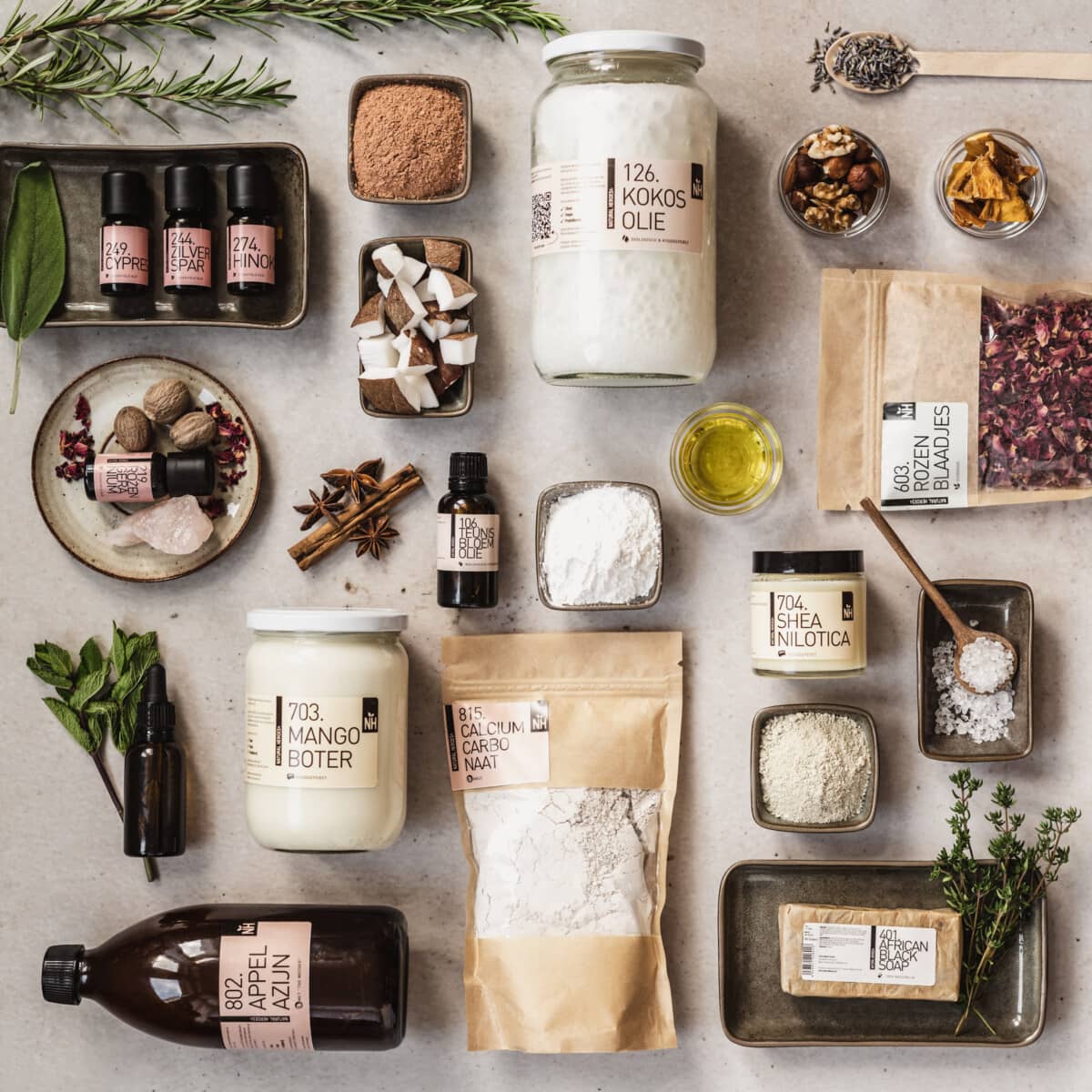


Buy as a bundle and save
African Black Soap (100% natural) is part of these bundles


Description
What is African Black Soap?
African Black Soap is a traditional, handmade soap from West Africa that has been used for generations for skin and hair care.
The soap is made from the ash of local plants and bark, such as plantain peels, cocoa pods and palm leaves. These are roasted and then mixed with oils such as coconut oil, palm kernel oil and shea butter.
Our African Black Soap is produced by a local cooperative in Ghana and is 100% natural and vegan. The soap has a dark color, an earthy scent and a somewhat crumbly texture.
How is African Black Soap made?
African Black Soap is made in a traditional way. Plant materials such as cocoa pods and banana peels are first dried and then roasted. This creates ash, which forms the basis of the soap.
Water and nourishing oils are added to this ash, such as coconut oil, palm kernel oil and shea butter. The mixture is stirred for a long time and then aged, so that the soap gets its characteristic structure.
This traditional production process creates a soap with a very unique character, which feels clearly different from a standard industrial soap.
Benefits of African Black Soap
Gentle but effective cleansing
African Black Soap cleanses the skin thoroughly and helps remove dirt and excess sebum, without the skin having to feel tight immediately.
Suitable for skin and hair
The soap is versatile in use and can be used for the body, face and hair.
Nourishing character
Due to the combination of plant ash and natural oils, the skin feels clean, soft and cared for after use.
Great for blemished skin
African Black Soap is often used by people who like to deep cleanse their skin and want to bring their skin back into balance.
How do you use African Black Soap?
Break off a small piece of the soap and rub it between your hands with water until it lathers. Then apply the lather to damp skin or wet hair.
For face and body, rinse off the soap afterwards with lukewarm water. For use in hair, massage the lather in and rinse thoroughly.
Because African Black Soap can be quite powerful, it's wise to start gently. Start with once a week, for example, and gradually build this up, depending on how your skin reacts.
Tips when using African Black Soap
African Black Soap can feel somewhat intense when first used, especially on sensitive or dry skin. Therefore, build up usage gradually.
Store the soap in a dry place so it doesn't become soft. After cleansing, you can optionally use a nourishing oil or butter, such as shea butter or jojoba oil, to provide extra nourishment to the skin.
What makes African Black Soap so special?
What makes African Black Soap special is the traditional way of production and the simple, pure composition.
Our variant is handmade in Ghana and consists of roasted cocoa pods, palm kernel oil, organic coconut oil and a high percentage of unrefined shea butter. It's precisely this combination that creates the characteristic appearance, texture and the way the soap cleanses.
Side effects of African Black Soap
African Black Soap is a natural, but quite powerful cleanser. On sensitive skin, the soap may initially feel somewhat irritating or drying. Therefore, always test first on a small patch of skin and wait 24 hours to see how your skin reacts.

Cruelty free

Vegan

Free from (synthetic) fragrance

Free from phthalates, parabens, mineral oils, nanoparticles, SLS, triclosan, talc, silicones, aluminium, Bisphenols (BPA), PEG's, DEA, TEA, MEA
-(1).jpg%3Fv%3D0&w=1920&q=60)

Usage
Usage instructions
Our African Black soap is suitable for your body, face and hair. Start by using 1x per week and for dry skin follow up with Shea Butter. Zero waste tip: Crumble off a piece and store the rest in a dry place.
Warnings
Not suitable for consumption.
Shelf life (from production date)
27 months
Ingredients
Ingredients
Shea Butter, Coconut Extract, Palm Oil, Aqua, Potassium Hydroxide
INCI
Butyrospermum Parkii Butter, Cocos Nucifera Fruit Extract, Elaeis Guineensis Oil, Aqua, Potassium Hydroxide
Raw material
Substance
Soap
Origin
Ghana
Consistency
Hard
Color
Brown
Scent
Light Soapy
Soluble in
Oil|Water
100% natural
Vegetarian
Vegan
Cruelty free
Food grade
—
Organic
—
Unrefined
Fair trade
—
Alcohol free
Free from (synthetic) fragrance
Free from preservatives
Free from mineral oils (petroleum derivatives)
—
Free from phthalates, parabens, mineral oils, nanoparticles, SLS, triclosan, talc, silicones, aluminium, Bisphenols (BPA), PEG's, DEA, TEA, MEA
Shelf life (from production date)
27 maanden
A green check means we have a certification or confirmed statement for this. A dash (—) means we do not (yet) have a certification. Hover the info icon for more context.
Technical
MSDS
Product safety
Manufacturer
Natural Heroes B.V., Rijnzathe 6, 3454 PV Utrecht, Nederland, support@naturalheroes.nl
FAQ
What are the ingredients of the African Black Soap?
African Black Soap is made from the ash of local plants and barks, such as plantain peels, cocoa pods and palm leaves. These are roasted and then mixed with oils such as coconut oil, palm kernel oil and shea butter. The soap contains approximately 50% (saponified) shea butter and about 25% saponified palm and coconut oil. It is 100% natural and vegan.
How do I use African Black Soap and how often?

We recommend starting by using the soap once a week and gradually building up so your skin can adjust. Break off a small piece, let it foam in your palm and massage it into your (damp) skin. Let it soak in if desired and rinse thoroughly with water. Follow up by applying an oil, butter or cream to your skin to prevent dryness. The soap is suitable for face and body.
How do I best use African Black Soap?
Break off a small piece from the bar and store the rest in a dry place outside the bathroom as the soap absorbs moisture. Wet the piece, lather it in your palm and gently massage the lather in. Let it soak briefly if desired, then rinse thoroughly with lukewarm water. If you have new skin, start with once a week and gradually increase frequency. Due to the cleansing action, it is recommended to hydrate your skin after use with an oil, butter or cream.
How should I best store African Black Soap?
African Black Soap absorbs moisture and becomes soft when it stays wet. Therefore, store the soap in a dry place outside the bathroom. A helpful tip: break off a small piece with each use and keep the rest dry. This way you prevent the entire soap from becoming soft and dissolving quickly.
What is the expiration date of the African Black Soap?
African Black Soap has a shelf life of 36 months.
What is the white layer or coating on my African Black Soap – is that mold?
No worries, that's not mold! The white coating is a normal natural phenomenon that occurs through oxidation, for example when the soap has dried out or has come into contact with air. By wetting the soap, the white layer disappears immediately. This has no impact on the quality or safety of the soap.
Is the African Black Soap suitable for sensitive, dry, or combination skin?
The African Black Soap is suitable for combination and oily skin. For dry or sensitive skin, the soap may feel tight. We recommend starting with 1x per week and then always applying a hydrating oil, butter or cream (such as jojoba oil or shea butter) to compensate for dryness. Every skin reacts differently – build up usage gradually and see how your skin responds.
Can I also use the African Black Soap for my hair?
African Black Soap can be used as shampoo. After washing, you can use apple cider vinegar as a conditioner to smooth your hair again; the scent will disappear from your hair. Natural Heroes also sells a natural conditioner with black castor oil. Please note that results vary per person – some users experience rough or greasy hair after use.
How do I make liquid soap from African Black Soap?
You can make liquid soap yourself by crumbling 100 grams of African Black Soap as finely as possible and mixing it with 250–350 ml of distilled water in a small pan. Heat this to approximately 40°C and stir until all crumbles have dissolved. It can also be done at room temperature, but it takes longer. If lumps remain, let it sit – they will dissolve on their own.
Where does the African Black Soap come from and is the palm oil sustainable?
Our African Black Soap is a traditional, handmade soap from West Africa and is produced by a local cooperative in Ghana. The palm oil used in it comes from small local communities in Ghana - not from large-scale monoculture like on big plantations.
Can I combine the African Black Soap with other products, such as shea butter or jojoba oil?
Yes, the African Black Soap works well in combination with a hydrating oil or butter after washing. Jojoba oil is a popular choice and balances the skin. Shea butter is nourishing, but can sometimes be too heavy for oily skin. Use what works best for your skin type – there is no fixed combination required.