Lavender EO
essential oil
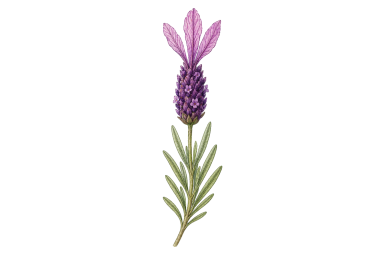
Warm, spicy scent with honey-sweet depth. Reminiscent of fields of dried lavender under the Portuguese sun, on the rocky hills of Mértola. Used for centuries in linen closets and spiritual rituals around the Mediterranean.




1. Choose your size
2. Choose your type
Including
Quantity
Not happy? Money back. Return your order for free within 14 days.
9.3 out of 10 from 9,900+ customers on Kiyoh
Not happy? Money back. Return your order for free within 14 days.
9.3 out of 10 from 9,900+ customers on Kiyoh
Why this oil is so special
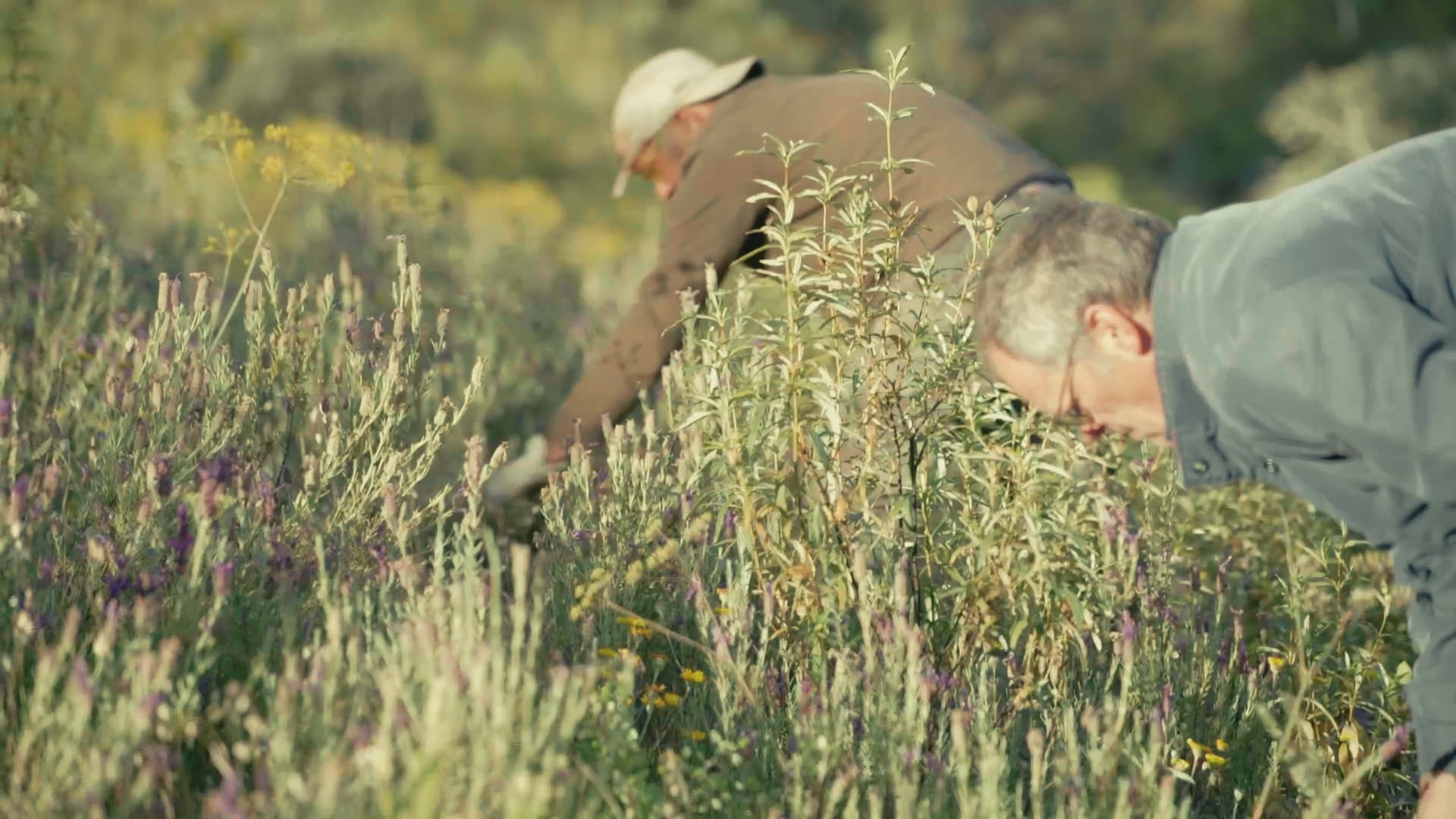
Wild harvested and distilled on François's farm in Portugal. Every harvest is unique, every batch analysed, and every composition openly shared with you.
What's in this oil?
Based on GC-FID/MS analysis by Esseterre Bulgaria (2026).
The signature component of Lavandula stoechas. Found almost nowhere else in the plant kingdom. It has a warm, herbaceous, honey-like character and gives the oil its lasting effect in blends.
A fresh, herbaceous component also found in eucalyptus and rosemary. It has a purifying quality and gives the oil body and a more open character.
A herbaceous, balsamic component with a penetrating character. High in this batch, making the oil extra robust. It has a mildly astringent effect on the skin.
How to use it
A warm, herbaceous scent that transports you to the hills of the Alentejo. More robust and earthy than classic fine lavender. Blends beautifully with cistus for added depth, cedar for a woody undertone, or bergamot for a touch of citrus.
Mix 1 to 2% with a vegetable oil and an oil-to-milk emulsifier such as O2M. This creates a hydrophilic oil that blends beautifully with bathwater. The warmth brings out the herbaceous, honey-like tones.
Combine a few drops with dried lavender flowers, rose buds or Mediterranean herbs in a cotton sachet. Place between clothing and linen, or in drawers for a warm, herbaceous wardrobe scent.
Combine with Solubol and lavender hydrosol or helichrysum water for a natural perfume spray. The warm, dry scent lingers beautifully on skin and clothing.
How is the oil made?
Based on François's story
Harvested in the wild
Lavandula stoechas grows wild on the dry soil of the Alentejo. François selects areas with an abundance of lavender and removes everything that isn't lavender. The plant gains more space and light, and reseeds itself naturally. After three years of pruning, the shrubs are full and well-established.
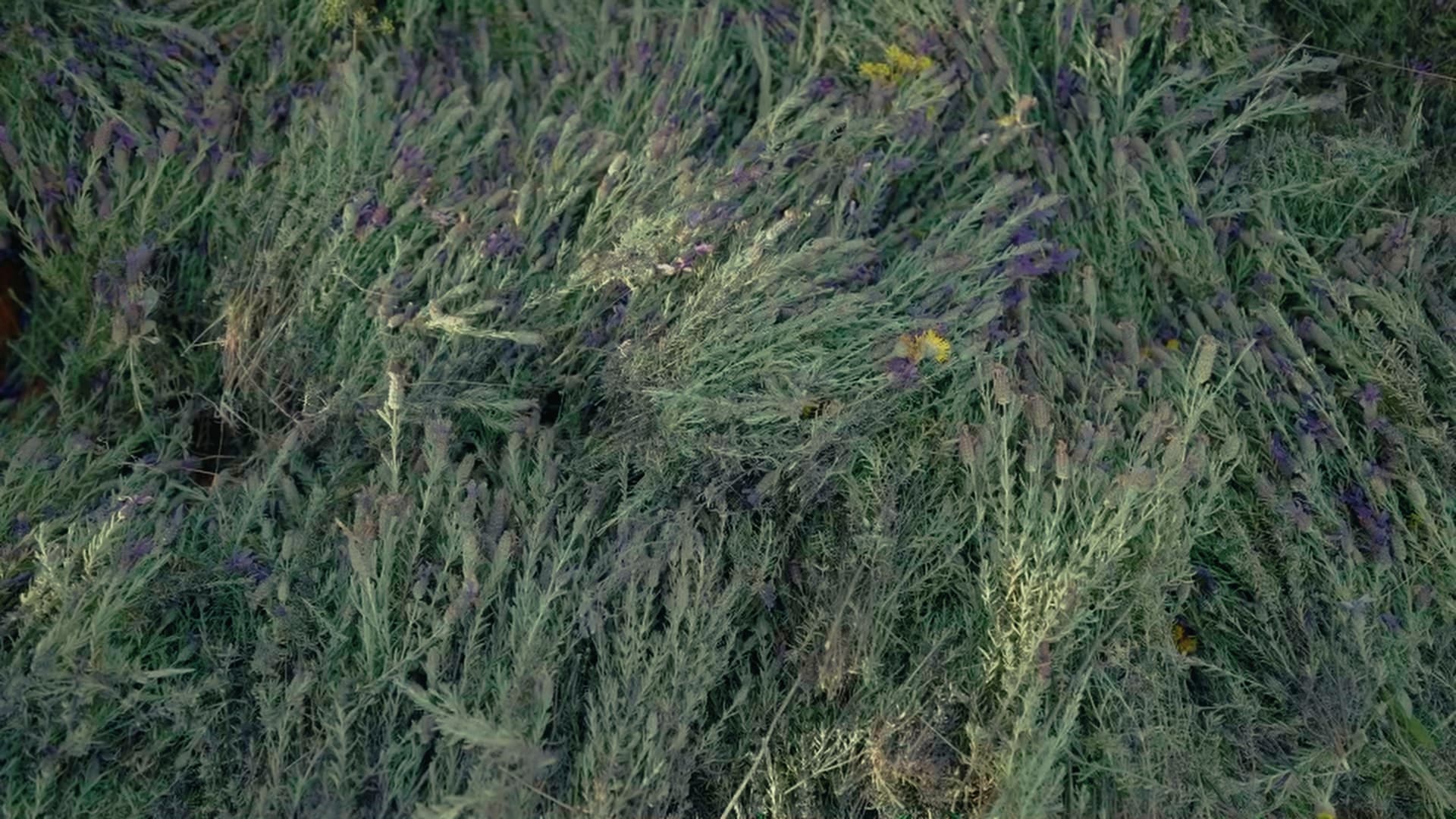
Steam distillation on the farm
The flowering tops are distilled with steam on the same day, on the farm itself. The leftover plant material goes onto the compost heap and later feeds the soil. Closed loop: the plant feeds the ground that grows the next generation of lavender.
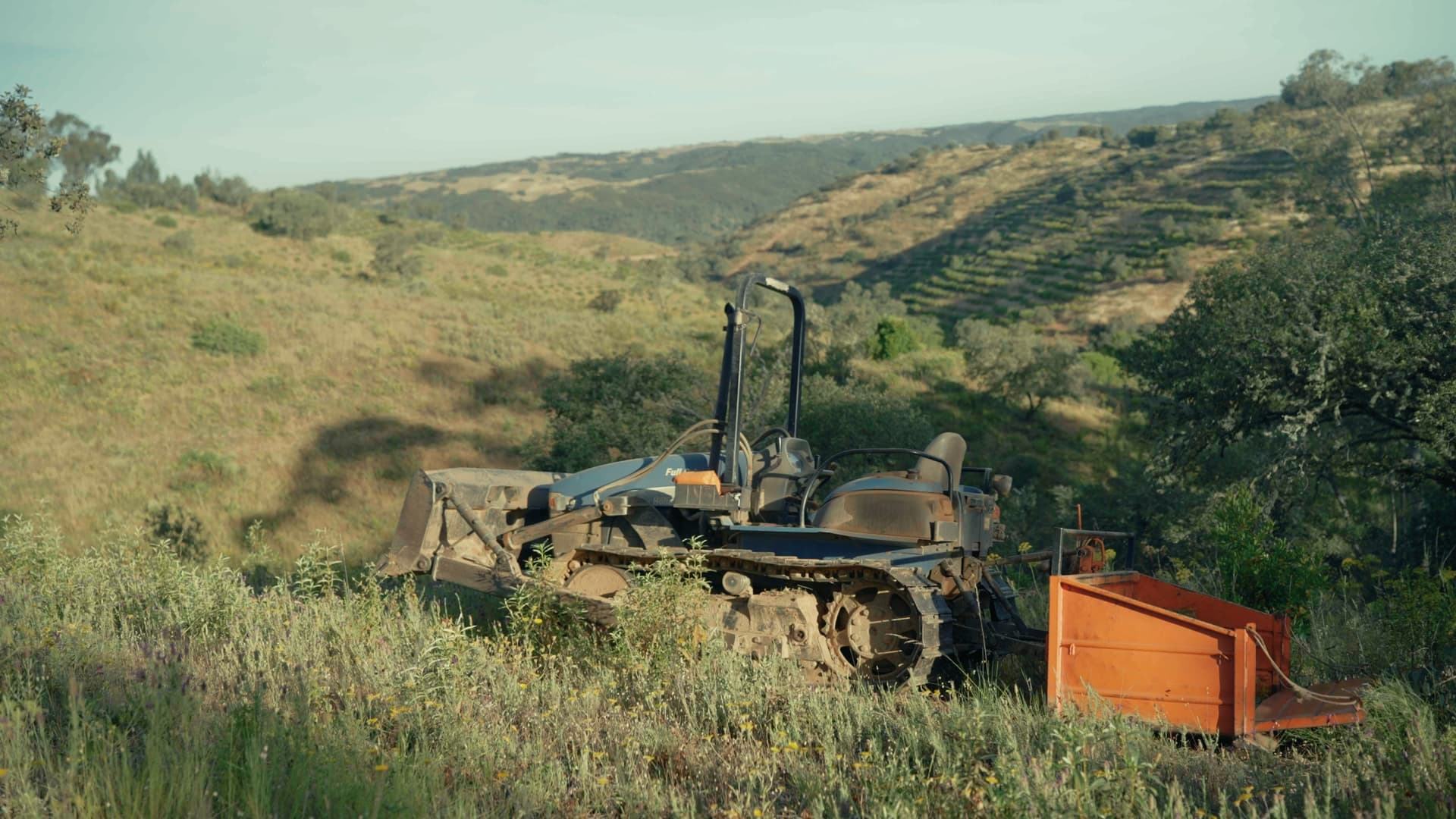
GC-MS analysis
Every batch is sent to Esseterre Bulgaria for GC-FID/MS analysis. This tells us exactly which compounds are present and at what concentration. An oil whose composition you can look up.
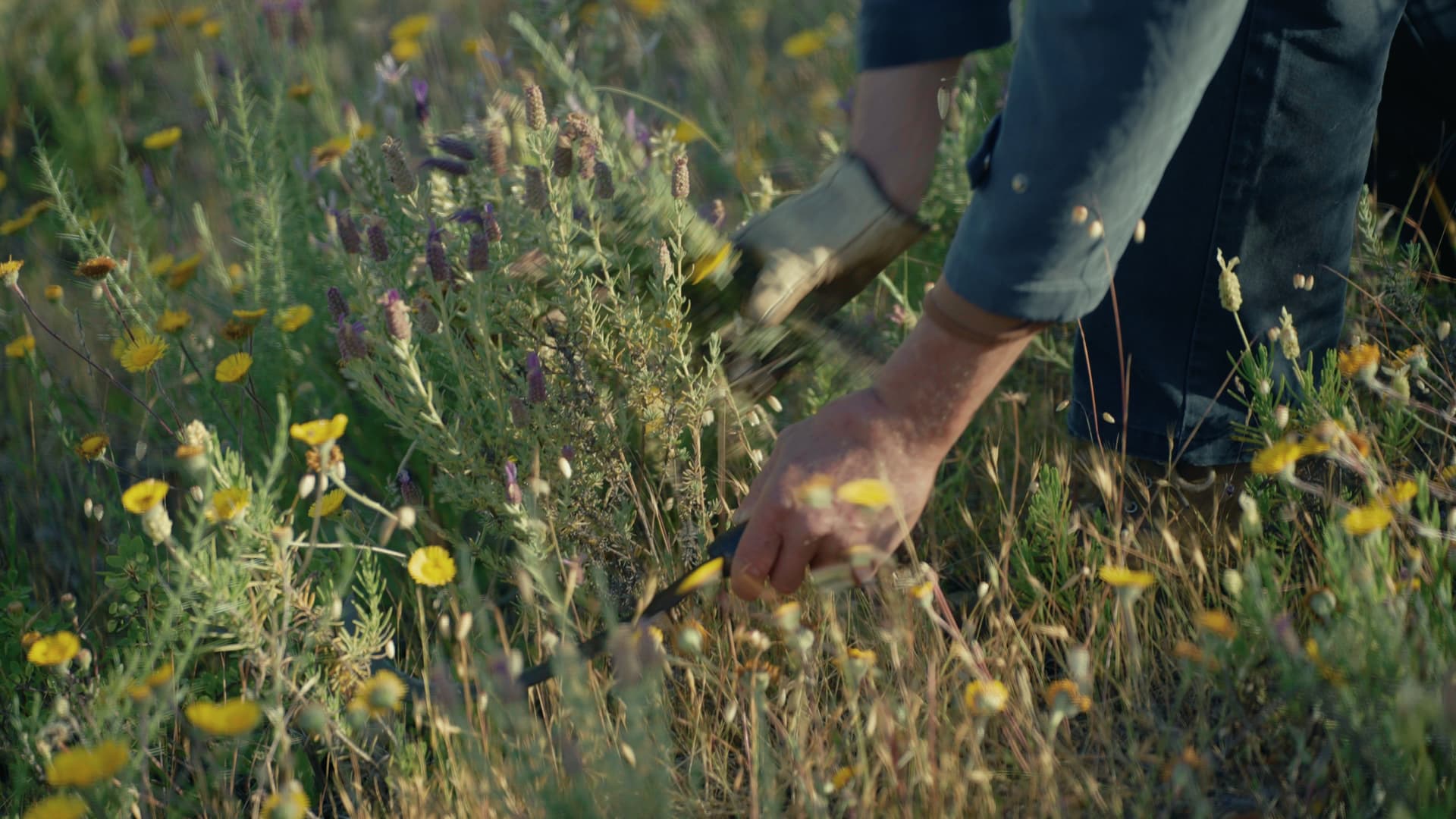
From farm to you
No middlemen, no long storage chains. The oil goes directly from the farm to Natural Heroes. You know exactly where the oil comes from and who made it.

How is the oil made?
Based on François's story
Harvested in the wild
Lavandula stoechas grows wild on the dry soil of the Alentejo. François selects areas with an abundance of lavender and removes everything that isn't lavender. The plant gains more space and light, and reseeds itself naturally. After three years of pruning, the shrubs are full and well-established.
Steam distillation on the farm
The flowering tops are distilled with steam on the same day, on the farm itself. The leftover plant material goes onto the compost heap and later feeds the soil. Closed loop: the plant feeds the ground that grows the next generation of lavender.
GC-MS analysis
Every batch is sent to Esseterre Bulgaria for GC-FID/MS analysis. This tells us exactly which compounds are present and at what concentration. An oil whose composition you can look up.
From farm to you
No middlemen, no long storage chains. The oil goes directly from the farm to Natural Heroes. You know exactly where the oil comes from and who made it.
View the analysis of your harvest
Download the full GC-MS analysis report for this batch.
More from the same farm
The Farm to Table range includes six organic essential oils. Discover them here:
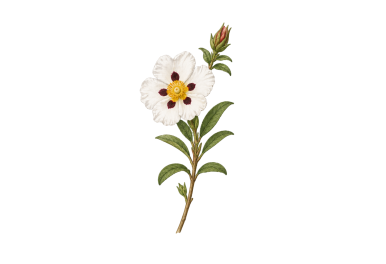
Cistus
Warm, ambery and herbaceous with a bitter edge. Astringent on the skin and a classic in natural perfumery.
Lavender Luisieri
Warm, herbaceous and honey-sweet, very different from common lavender. Reminiscent of dried lavender in the sun.
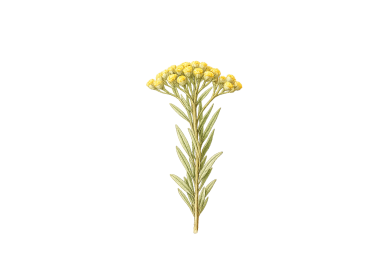
Helichrysum Stoechas
Herbaceous and softly floral with a warm, gently citrusy undertone and a hint of pine. Quite different from the Italian Helichrysum italicum.
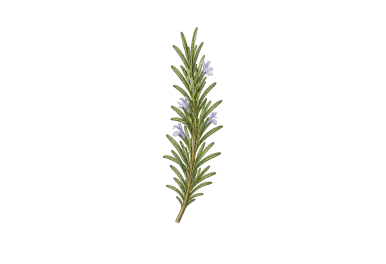
Rosemary
Warm and herbaceous, like a field of rosemary in the sun. Gives the scalp a fresh boost and blends easily with almost any other oil.
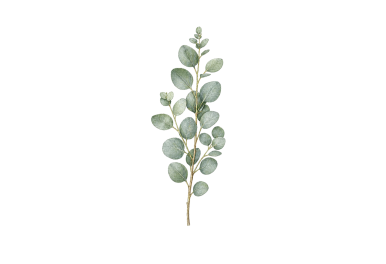
Eucalyptus
Invigorating, fresh and beautifully rounded. Not as sharp as regular eucalyptus, but an oil that instantly awakens your senses.
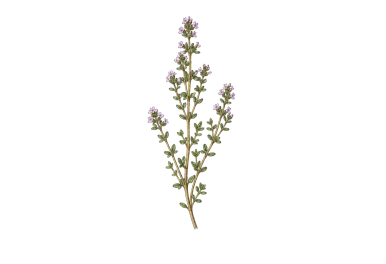
Spanish Thyme
Surprisingly fresh and eucalyptus-like, without the sharp thymol of regular thyme. Blends beautifully with almost all other oils.
What others say
Reviews


FAQ
Frequently asked questions about use, safety and origin.
Can't find the answer here? We're happy to help!
Start with a small amount and build up gradually. Lavender Luisieri is more intense than regular lavender. Follow the instructions of your diffuser.
Essential oils should always be diluted in a carrier oil or base formula. For general skincare, use a maximum of 1% in a carrier oil. For fragrance applications on smaller skin areas (wrists, neck) you can use higher percentages. Avoid contact with eyes and mucous membranes.
Do not use on babies and young children. During pregnancy or breastfeeding, consult your midwife or doctor first. Perform a patch test if you have sensitive skin. The oil naturally contains linalool, a known allergen.
Wild-harvested Lavender Luisieri has a naturally varying composition per harvest and season. Plantation oil is more uniform and less expensive, but lacks that seasonal signature. We love the difference — that's what Farm to Table is all about.
Because it's the honest way to be transparent about what's inside a bottle. At Natural Heroes, we believe you as a customer deserve access to the same information we have. That's why Farm to Table is an open book, from leaf to bottle.
Lavandula stoechas varies in character from batch to batch and season to season. In this batch, camphor (13%) is more prominent than in previous harvests (8%). This makes the oil extra herbaceous and penetrating — typical of plants growing on the dry, warm hillsides of the Alentejo. It's exactly that variation that makes Farm to Table so interesting.
The Alentejo is dry, warm and sunny — exactly the growing conditions that produce a high concentration of volatile aroma compounds. Different soils yield different profiles. Mértola gives the characteristic Luisieri profile with its warm, spicy character.
Our Farm
Nestled in the Alentejo, the dry south of Portugal, lies the farm. All six oils grow here in the wild. No greenhouses, no irrigation, no synthetic fertilisers. That's why each oil smells a little different every season. That's what Farm to Table is all about.
Mértola, Alentejo, Portugal