Ready-made products for your natural routine..
Do you want to stay updated on offers, (giveaway) actions and recommendations? This way you won't miss out on anything! Not too often, we promise.


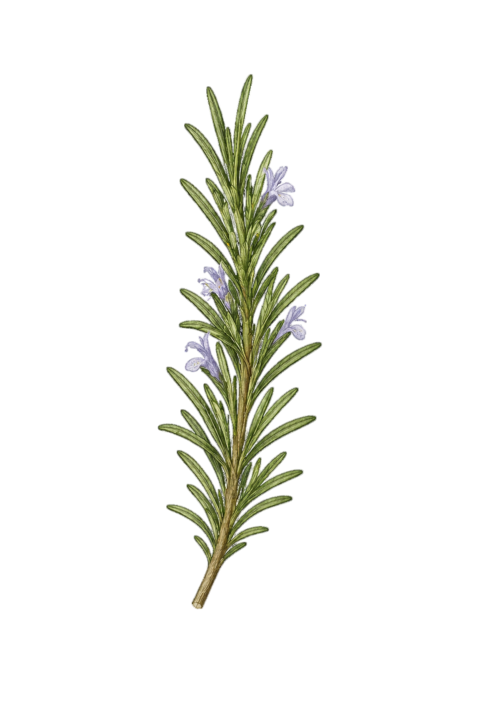
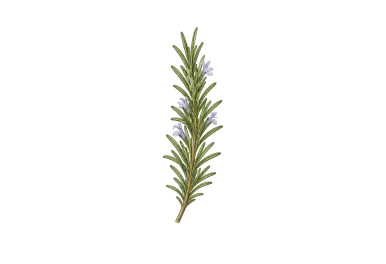
Rosmarinus officinalis
Warm and spicy, like a field of rosemary in the sun. Wild harvested on the dry soil of Alentejo. Connected for centuries with memory, clarity and protection, from Greek students to Mediterranean kitchens.
Size
Price
€10.99
Quantity
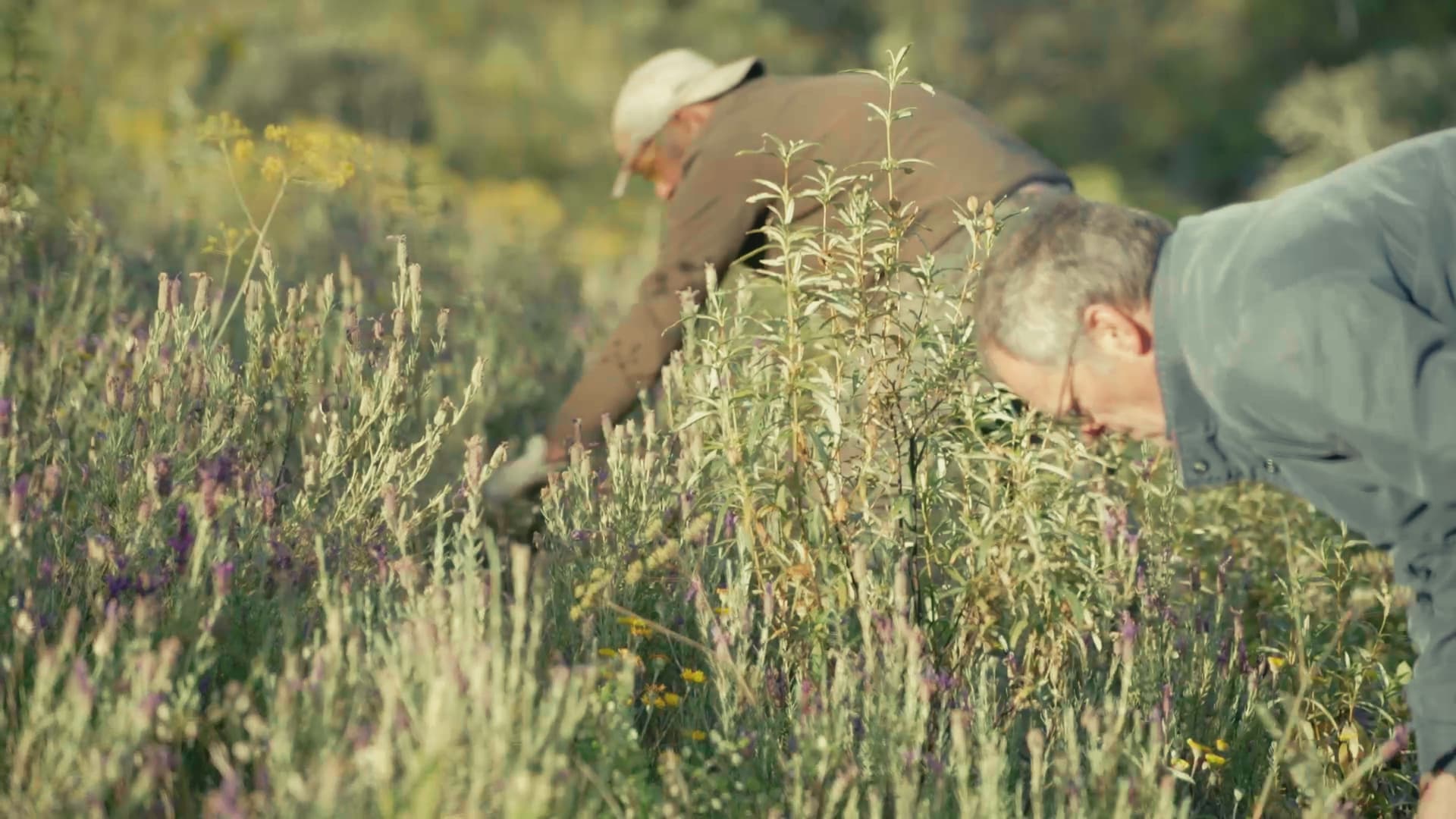
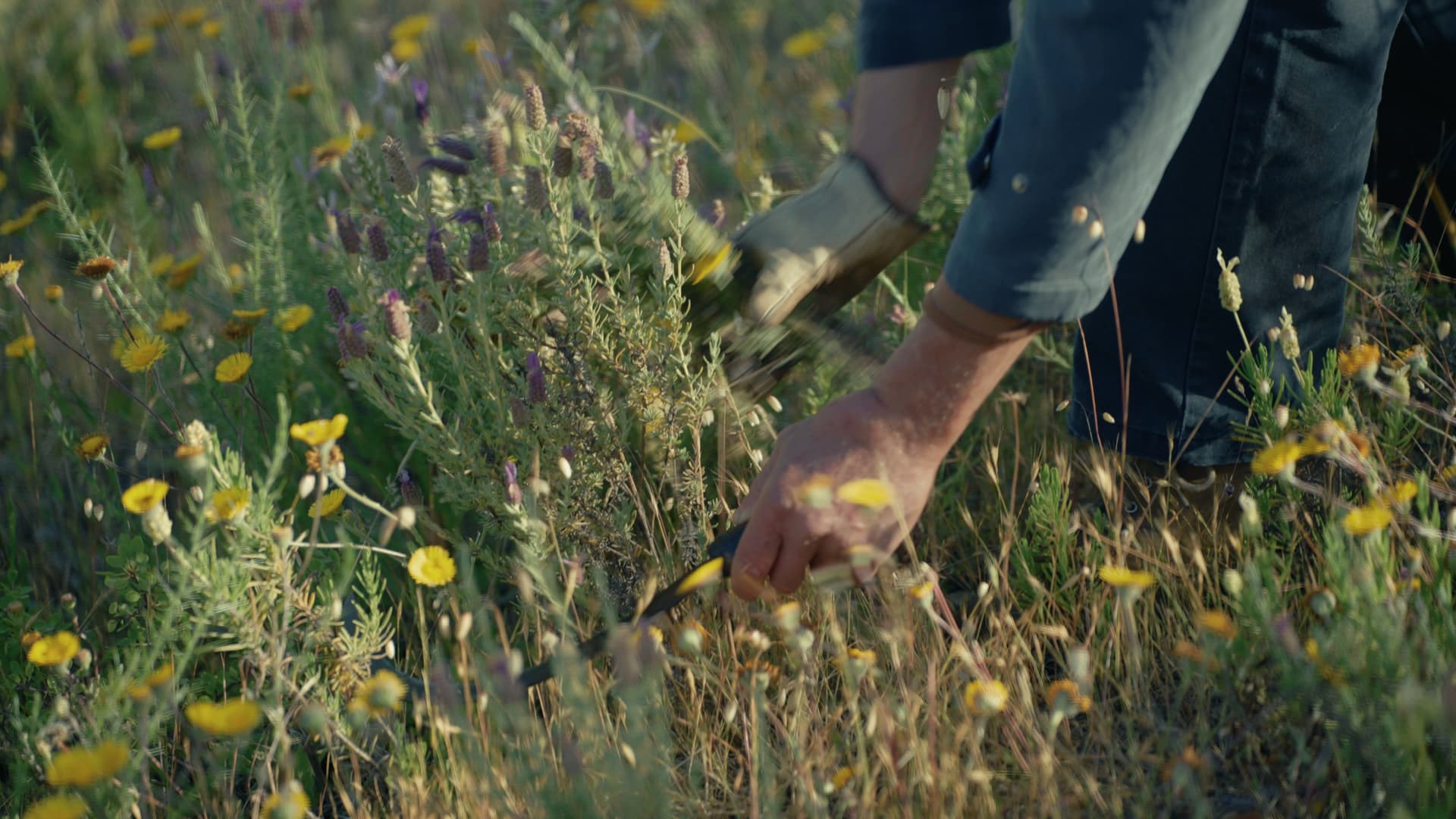
Wild harvested and distilled on François's farm in Portugal. Every harvest is unique, every batch analysed and every composition openly shared with you.

Based on GC-MS analysis by Esseterre Bulgaria (2026), specialists in essential oil analysis.
What makes this rosemary truly unique is its high Myrcene content. You rarely see this in rosemary, and it's characteristic of rosemary from this region. It gives the oil a softer, fuller character and a warm, herbaceous scent — nothing like the medicinal rosemary you might be used to. Genuinely different.
Together with myrcene, camphor forms the backbone of this oil. Camphor delivers an immediate cooling sensation on the skin followed by deep warmth, making it a wonderful addition to products for tired muscles and a stiff neck. Supports circulation.
This fresh, clear note — also known as eucalyptol — opens up the airways and sharpens the mind. In standard rosemary it's often the main component at 40 to 50%; here it sits at 13%. Enough to provide that characteristic freshness, yet gentle enough to let the plant's natural warmth take centre stage.
Based on François's story
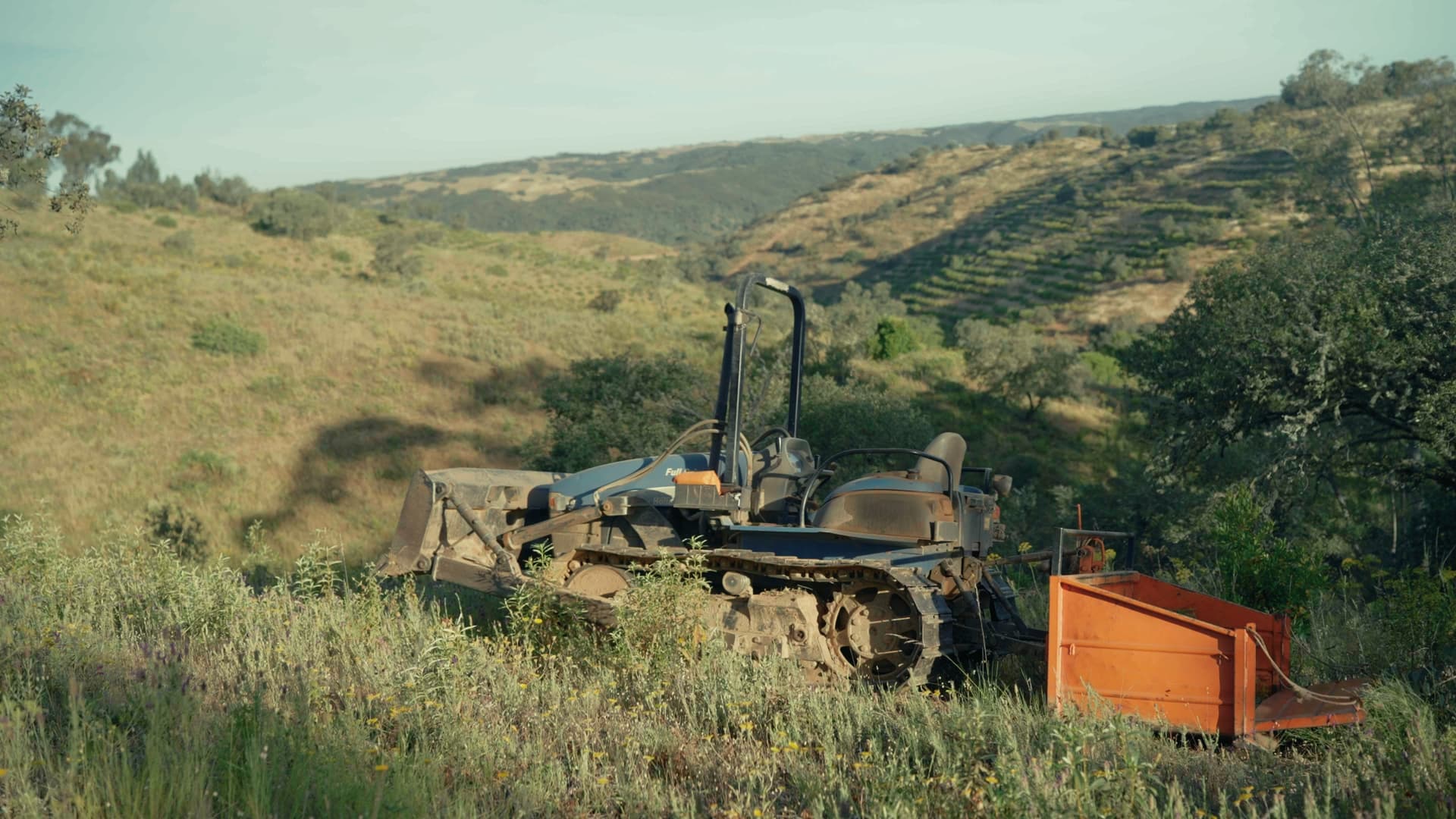
Rosemary had nearly disappeared from Mértola due to intensive farming. François propagated the original, native plants in his own nurseries and replanted them. The young plants receive some support with water and compost in the beginning, but as local species they thrive on their own after that. Rosemary is back where it naturally belongs.

Right after harvest, the plant material goes straight into the still. Steam draws the oil from the rosemary, and the remaining plant matter goes back into the ground to feed new plants. A closed loop: from plant to oil to compost.

Every batch is sent to Esseterre Bulgaria for GC-FID/MS analysis. This tells us exactly which compounds are present and at what concentration. An oil whose composition you can verify yourself.

No middlemen, no long storage chains. The oil goes directly from the farm to Natural Heroes. You know exactly where the oil comes from and who made it.

Based on François's story

Rosemary had nearly disappeared from Mértola due to intensive farming. François propagated the original, native plants in his own nurseries and replanted them. The young plants receive some support with water and compost in the beginning, but as local species they thrive on their own after that. Rosemary is back where it naturally belongs.

Right after harvest, the plant material goes straight into the still. Steam draws the oil from the rosemary, and the remaining plant matter goes back into the ground to feed new plants. A closed loop: from plant to oil to compost.

Every batch is sent to Esseterre Bulgaria for GC-FID/MS analysis. This tells us exactly which compounds are present and at what concentration. An oil whose composition you can verify yourself.

No middlemen, no long storage chains. The oil goes directly from the farm to Natural Heroes. You know exactly where the oil comes from and who made it.
Based on GC-MS analysis by Esseterre Bulgaria, specialists in essential oil analysis.
The Farm to Table range includes six organic essential oils. Discover them here:
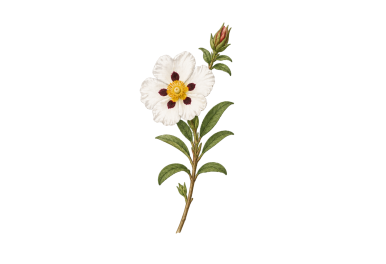
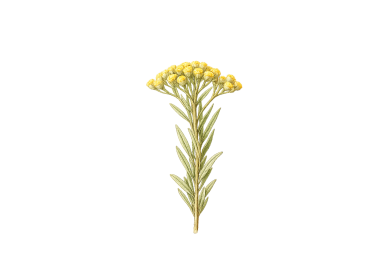
Warm, ambery and herbaceous with a bitter edge. Astringent on the skin and a classic in natural perfumery.
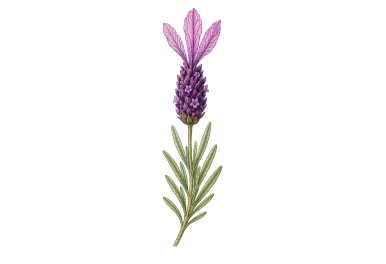
Warm, herbaceous and honey-sweet — very different from common lavender. Reminiscent of dried lavender baking in the sun.
Herbaceous and softly floral with a warm, gently citrusy undertone and a hint of pine. Quite different from the Italian Helichrysum italicum.
Warm and herbaceous, like a field of rosemary in the sun. Gives the scalp a fresh boost and blends easily with almost any other oil.
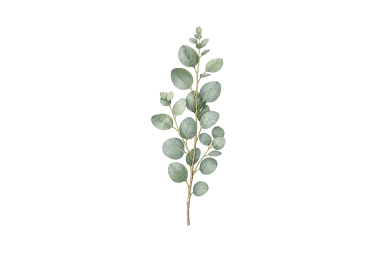
Invigorating, fresh and beautifully rounded. Not as sharp as regular eucalyptus, but an oil that instantly awakens your senses.
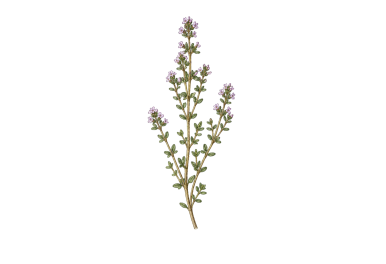
Surprisingly fresh and eucalyptus-like, without the sharp thymol of regular thyme. Blends beautifully with almost all other oils.
Frequently asked questions about use, safety and origin.
Can't find the answer here? We're happy to help!
Start with a small amount and build up gradually — rosemary diffuses quickly and powerfully. Follow the instructions of your diffuser.
Always dilute essential oils in a carrier oil or base formula. For general skincare, use a maximum of 1% in a carrier oil. For fragrance applications on smaller skin areas (wrists, neck) you can use higher percentages. Avoid contact with eyes and mucous membranes.
Do not use on babies and young children. If you are pregnant or breastfeeding, consult your midwife or doctor first. Do a patch test if you have sensitive skin. The oil naturally contains camphor and 1,8-cineole, known allergens.
Wild-harvested oil has a naturally varying composition from harvest to harvest and season to season.
Most rosemary oil on the market is cineole-dominant: 40–50% 1,8-cineole, sharp and medicinal. This rosemary from Mértola is myrcene-dominant (~21%), with a softer, more herbaceous and fresher profile. A different type of oil, literally. The composition depends on terroir, climate and the wild nature of the plant.
Because that's the honest way to be transparent about what's inside a bottle. At Natural Heroes, we believe you as a customer deserve access to the same information we have. That's what Farm to Table is all about — open book, from leaf to bottle.
The Alentejo is dry, warm and sunny — exactly the growing conditions that produce a high concentration of volatile aroma compounds. Different soils yield different profiles. Mértola gives rosemary its characteristic warm, herbaceous character.
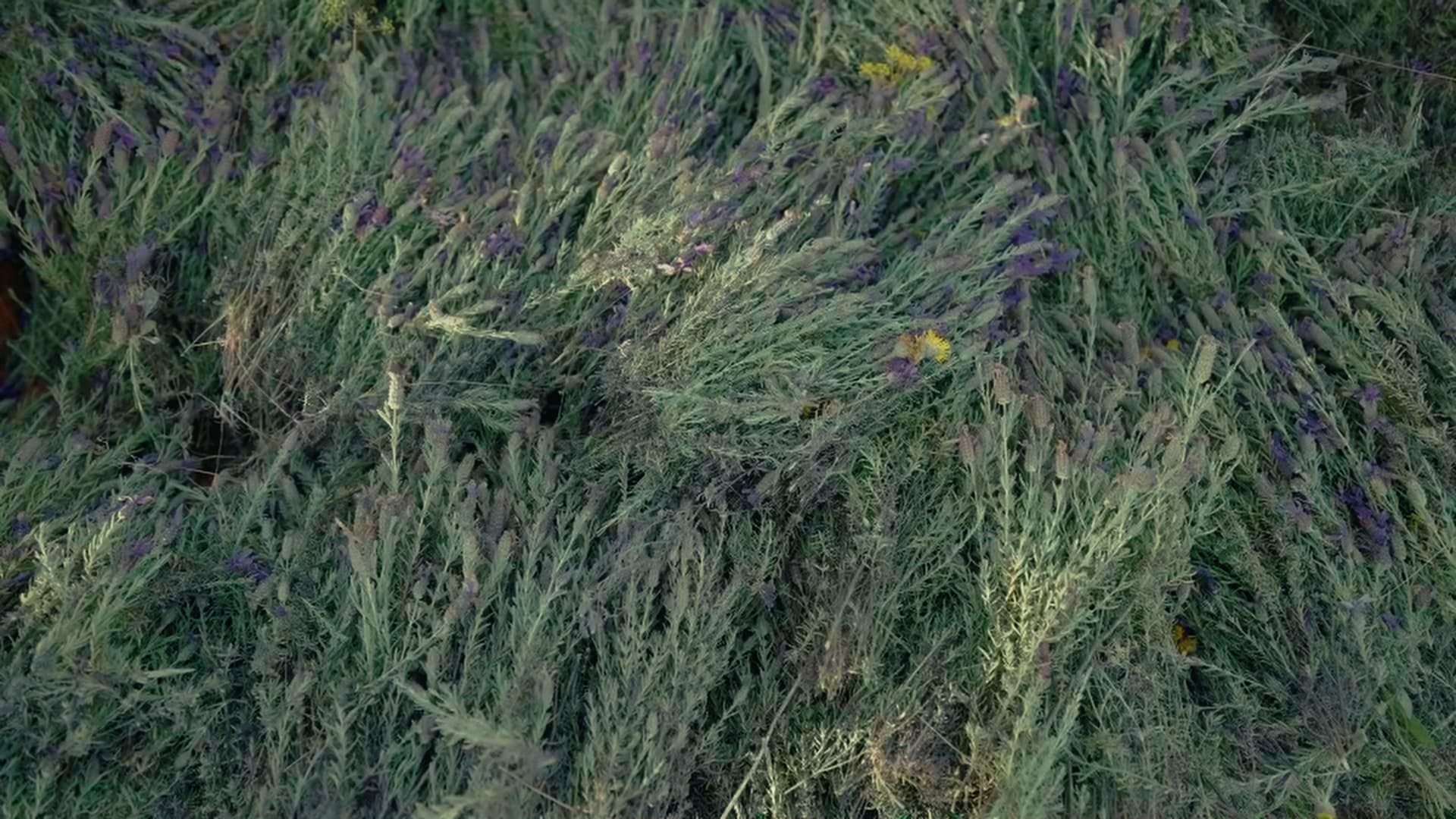
In the heart of the Alentejo, the dry south of Portugal, lies the farm. All six oils grow here in the wild. No greenhouses, no irrigation, no artificial fertilisers. That's why each oil smells slightly different from season to season. That's what Farm to Table is all about.
Mértola, Alentejo, Portugal