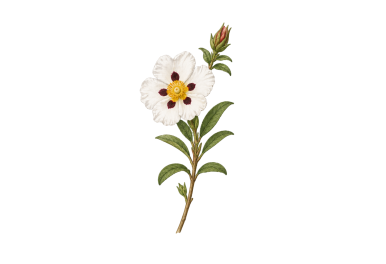
Cistus / Rock Rose EO
Cistus ladanifer
Warm, amber-like scent with a spicy perfumery character and a bitter edge. Wild harvested from the rockrose shrub on the sunny rocks of Mértola. Used for thousands of years in ceremonial rituals around the Mediterranean Sea.




1. Choose your size
2. Choose your type
Included
Price
€39.99
Quantity
Why this oil is so special
Wild harvested and distilled on François's farm in Portugal. Every harvest is unique, every batch analysed and every composition openly shared with you.
What's in this oil?
Based on GC-FID/MS analysis by Esseterre Bulgaria (2026), specialised in essential oil analysis.
The largest fraction of this oil, with a resinous, pine-like scent. It gives that first, fresh impression when you open the bottle. Naturally mildly astringent on the skin, it evaporates quickly, allowing the warmer undertones to come through.
Adds a warm, balsamic depth reminiscent of spruce resin and dried needles. One of the carriers of the characteristic amber-warm quality that Cistus is known for in natural perfumery.
Components such as 2,2,6-trimethylcyclohexanone, verbenone, viridiflorol and sesquiterpenes like caryophyllene are each present in small amounts, yet together they account for the complex, amber-like and almost perfume-like character of this oil. In fragrance chemistry, percentage rarely tells the whole story.
How to use it
Blend 2 to 5% in jojoba or another stable carrier oil in a roller bottle. Apply to wrists, neck or décolleté for a warm, amber-like scent that lasts all day.
A warm, amber-like scent with a herbal, almost perfume-like character and a slightly bitter edge. Earthy and rich at the same time — perfect for quiet evenings or a moment of ritual.
Cistus has been used for thousands of years in ceremonial contexts around the Mediterranean. Blend 1 to 2% in jojoba or another carrier oil and apply to wrists and neck before a meditation or yoga session.
Incorporate 3 to 8% into a base of wax combined with a carrier oil to create a solid perfume. The warm, amber-like scent is a perfect match for this format.
How is the oil made?
Based on François's story
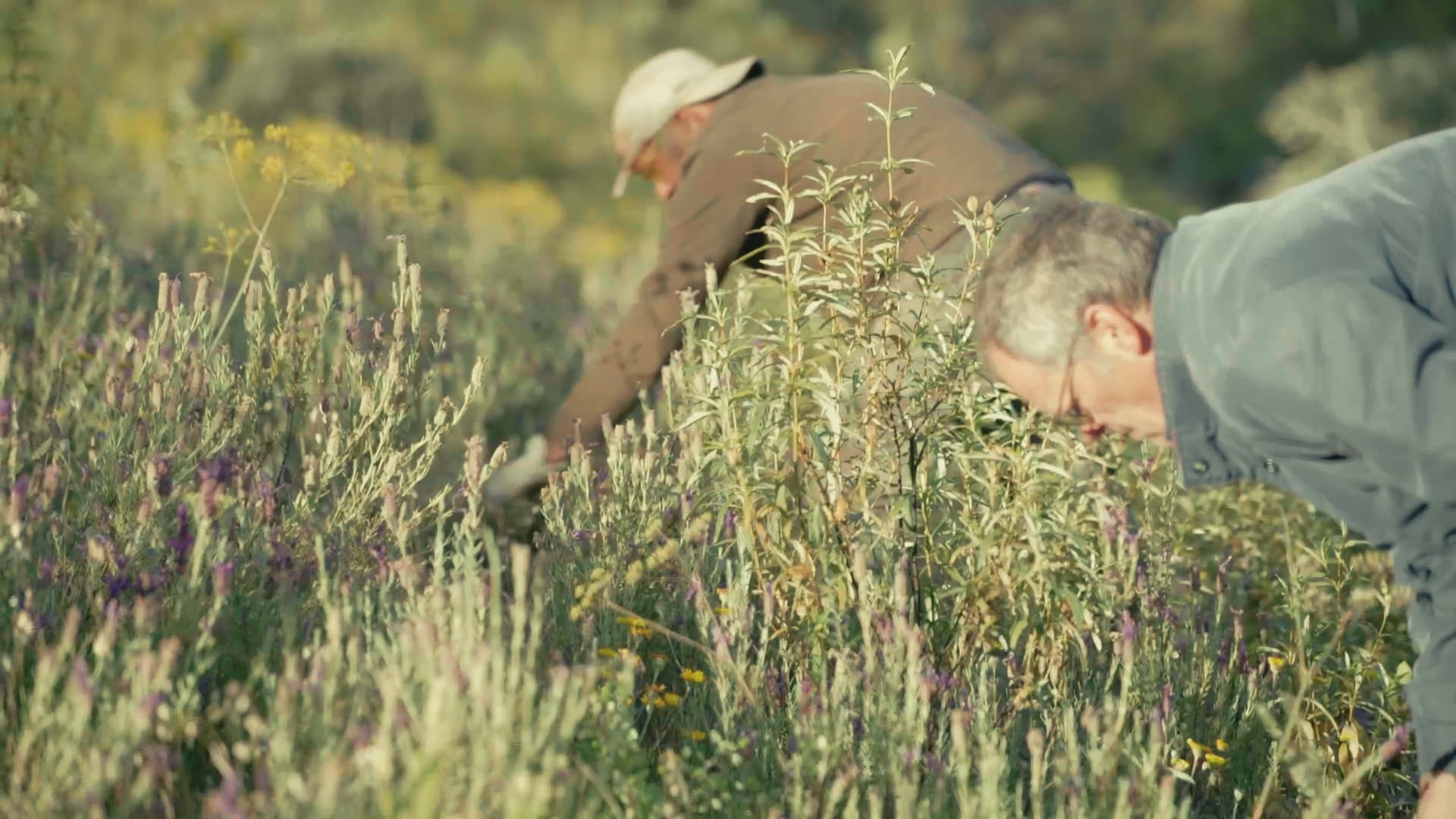
Harvested in the wild
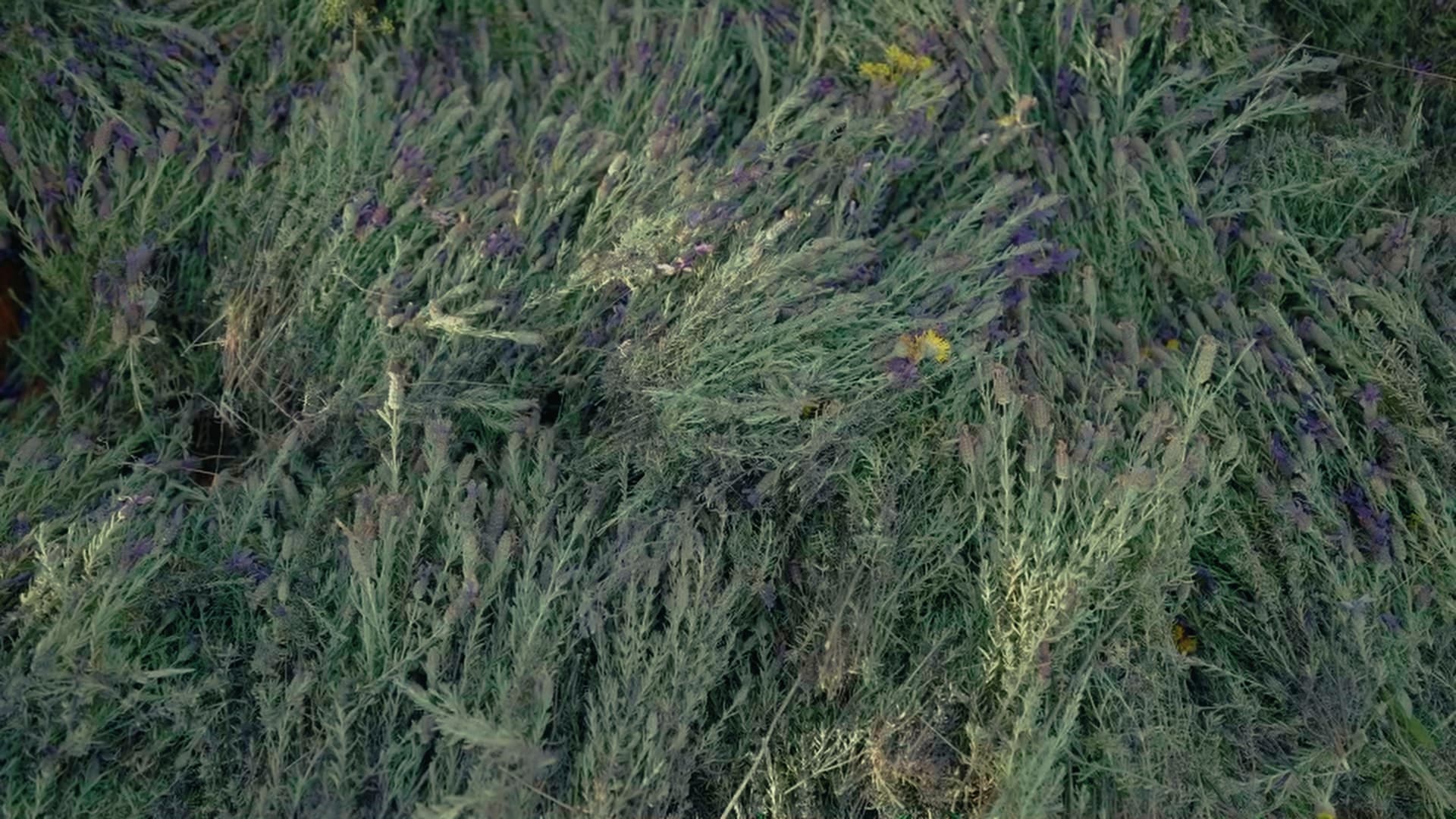
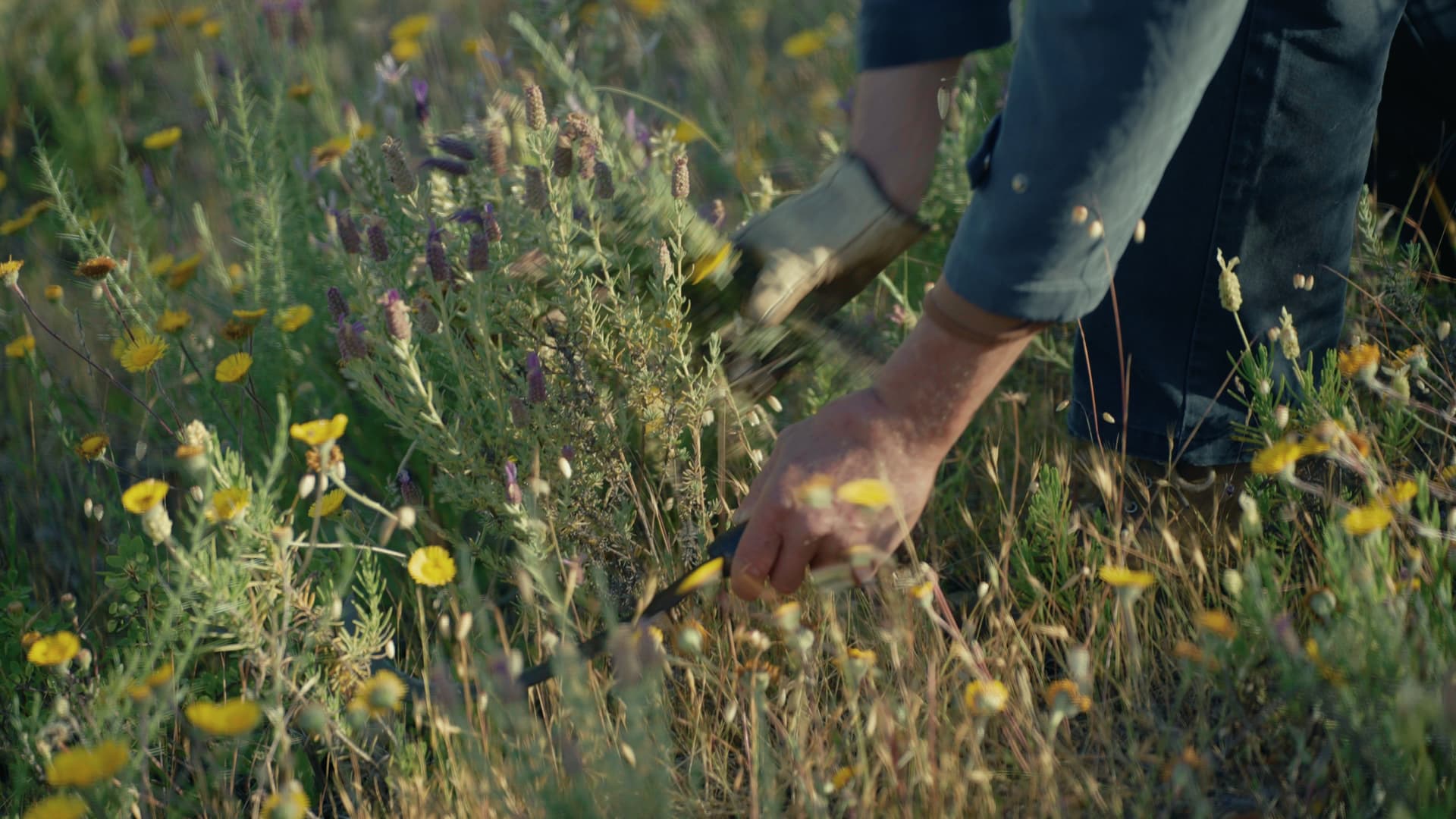
Cistus grows wild on the rocky hillsides around Mértola. François carries out a selective clearing: everything that isn't Cistus is removed, giving the plant more space and light. The more that is harvested, the stronger the plants come back the following year. That's regenerative farming: not depleting, but strengthening.
Steam distilled on the farm
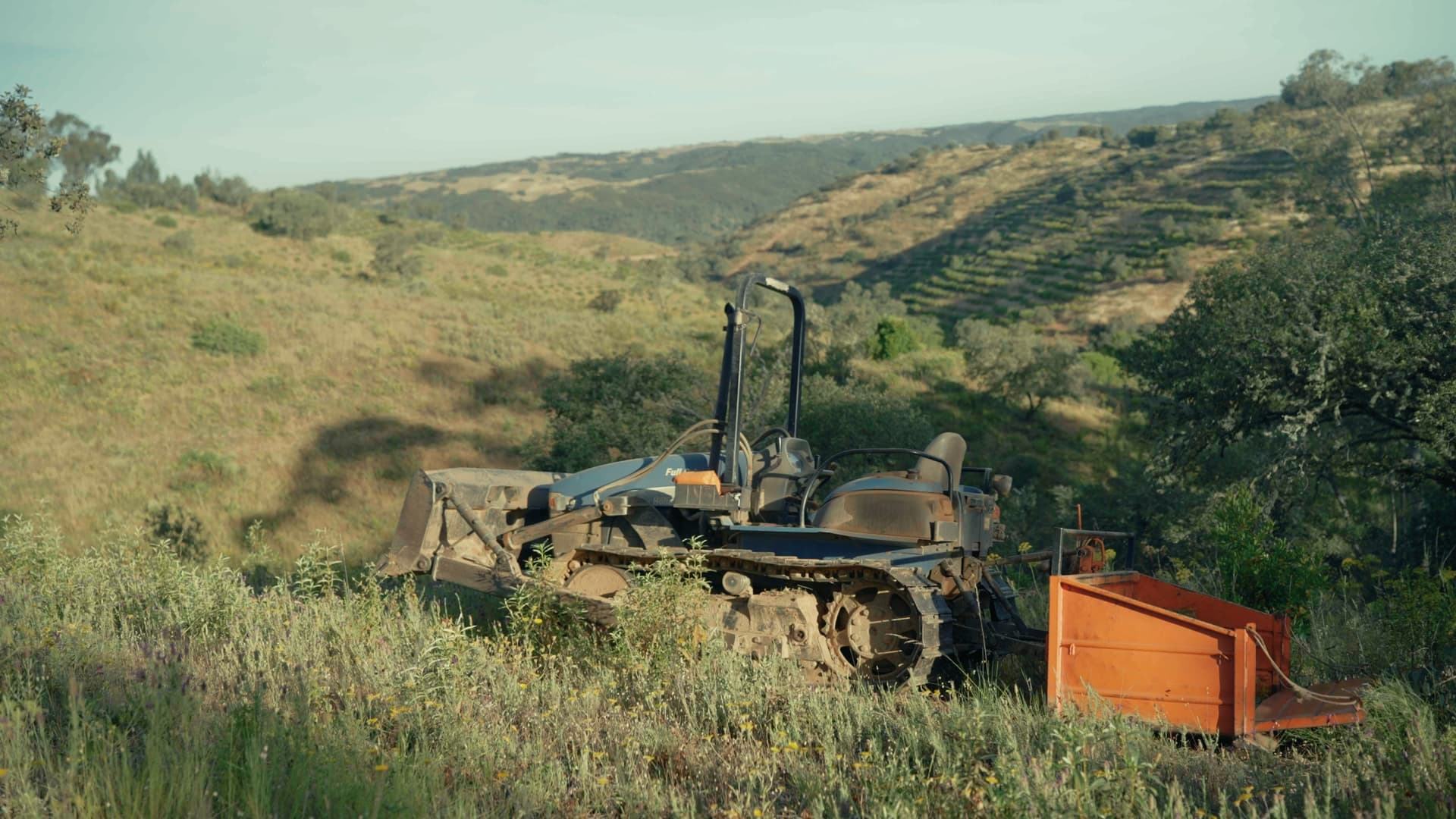
The branches and leaves go into the still the same day. It takes 1,500 kg of plant material to produce 1 litre of oil. The remaining material goes onto the compost heap and eventually feeds the soil again. Nothing is wasted.
GC-MS Analysis
Every batch is sent to Esseterre Bulgaria for GC-FID/MS analysis. This tells us exactly which compounds are present and at what concentration. An oil whose composition you can look up and verify.
From farm to you
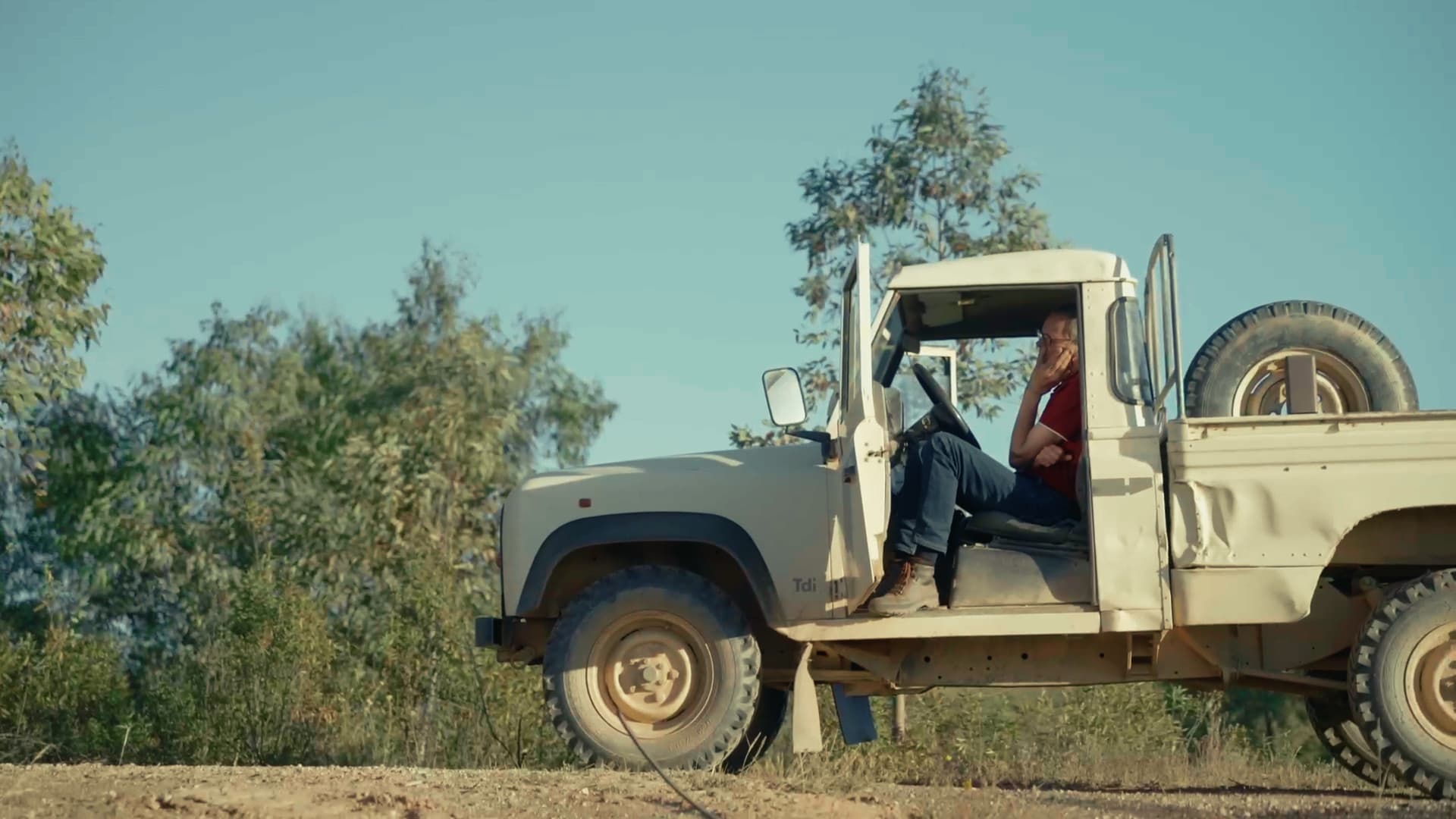
No middlemen, no long storage chains. The oil goes directly from the farm to Natural Heroes. You know exactly where the oil comes from and who made it.
How is the oil made?
Based on François's story
Harvested in the wild
Cistus grows wild on the rocky hillsides around Mértola. François carries out a selective clearing: everything that isn't Cistus is removed, giving the plant more space and light. The more that is harvested, the stronger the plants come back the following year. That's regenerative farming: not depleting, but strengthening.
Steam distilled on the farm
The branches and leaves go into the still the same day. It takes 1,500 kg of plant material to produce 1 litre of oil. The remaining material goes onto the compost heap and eventually feeds the soil again. Nothing is wasted.
GC-MS Analysis
Every batch is sent to Esseterre Bulgaria for GC-FID/MS analysis. This tells us exactly which compounds are present and at what concentration. An oil whose composition you can look up and verify.
From farm to you
No middlemen, no long storage chains. The oil goes directly from the farm to Natural Heroes. You know exactly where the oil comes from and who made it.
View the analysis of your harvest
Based on GC-MS analysis by Esseterre Bulgaria, specialising in essential oil analysis.
More from the same farm
The Farm to Table range includes six organic essential oils. Discover them here:
Cistus
Warm, ambery and herbaceous with a bitter edge. Astringent on the skin and a classic in natural perfumery.
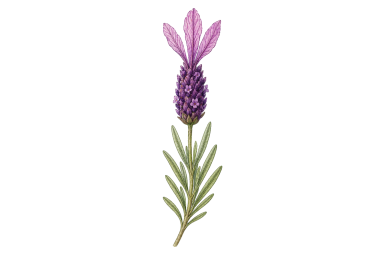
Lavender Luisieri
Warm, herbaceous and honey-sweet — very different from regular lavender. Reminiscent of dried lavender in the sun.
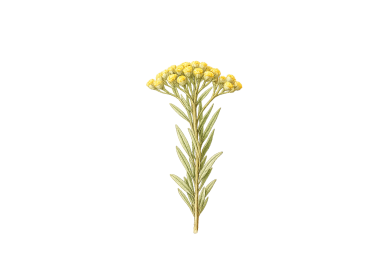
Helichrysum Stoechas
Herbaceous and softly floral with a warm, gently citrusy undertone and a hint of pine. Completely different from the Italian Helichrysum italicum.
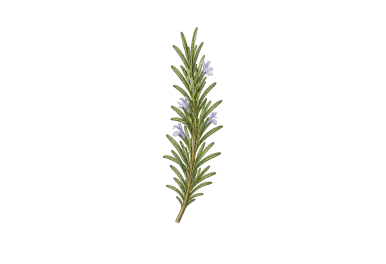
Rosemary
Warm and herbaceous, like a field of rosemary in the sun. Gives the scalp a fresh boost and blends easily with almost any other oil.
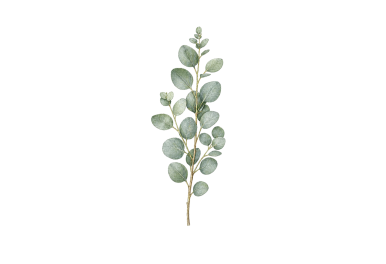
Eucalyptus
Refreshing, crisp and beautifully rounded. Not as sharp as common eucalyptus, but an oil that instantly awakens your senses.
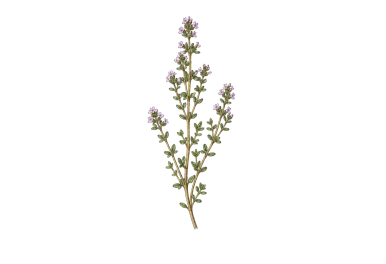
Spanish Thyme
Surprisingly fresh and eucalyptus-like, without the sharp thymol of common thyme. Blends beautifully with almost all other oils.
What others say
Reviews


FAQ
Frequently asked questions about use, safety and origin.
Can't find your answer here? We're happy to help!
Start with a small amount and build up gradually — cistus is intense. Follow the instructions of your diffuser.
Always dilute essential oils in a carrier oil or base formula. For general skin care, use a maximum of 1% in a carrier oil. For fragrance applications on smaller skin areas (wrists, neck) you can use higher percentages. Avoid contact with eyes and mucous membranes.
Do not use on babies and young children. During pregnancy or breastfeeding, consult your midwife or doctor first. Perform a patch test if you have sensitive skin. The oil naturally contains limonene, a known allergen.
Wild-harvested cistus has a naturally varying composition per harvest and season. Plantation oil is more uniform and less expensive, but lacks that seasonal signature. We love the difference — that's what Farm to Table is all about.
Because that's the honest way to be transparent about what's inside a bottle. At Natural Heroes, we believe you as a customer deserve access to the same information we have. Hence Farm to Table — open book, from leaf to bottle.
The Alentejo is dry, warm and sunny — exactly the growing conditions that result in a high content of volatile aroma compounds. Different soils produce different compositions.
Our Farm
Right in the Alentejo, the dry south of Portugal, lies the farm. All six oils grow here in the wild. No greenhouses, no irrigation, no artificial fertilisers. That's why each oil smells a little different every season. That's what Farm to Table is all about.
Mértola, Alentejo, Portugal