Ready-made products for your natural routine..

Free shipping from €35
★★★★★ 9.3 / 10 out of 9,500+ reviews
Ordered before 23:00, shipped today
Natural HeroesNatural Heroes
Natural Heroes
Shop
Recipes
Information
Community
About us

Our community is the place where Heroes come together to share knowledge, experiences and ideas about nature.

Join us!
Join our community
User
My account
Cart
Basket
Wishlist
Favorites
★★★★★Kiyoh 9.3 / 10 — 9,500+ reviews
Shop
Recipes
Information
Community
About us

Our community is the place where Heroes come together to share knowledge, experiences and ideas about nature.

Join us!
Join our community
WishlistCart
User
Shop
Recipes
Information
Community
About us
Aromatherapy
Cosmetics
Do It Yourself
Herbs & Extracts
Auxiliaries
Oils & Butters
Tools & More
Ready to use
All
Bundles
Gift Card
New
Sale
FARM TO TABLE
Lavender Luisieri
Cistus
Helichrysum Stoechas
Rosemary
Eucalyptus
Spanish Thyme
ESSENTIAL OIL BLENDS
Bombshell
Eternal Bloom
Fresh Balance
Less Stress
Morning Breeze
Morning Sunshine
Night Night
Rosemary Bliss
Sweet Dreams
Tropical Zest
Velvet Rose
ESSENTIAL OILS (A-G)
Amyris
Anijs
Basilicum
Bergamot
Bergamot (Furocoumarin-Free)
Berk
Berkenteer
Bittere Amandel
Blauwe Kamille
Blue Tansy
Cajeput
Cederhout
Citroen (FCF-vrij, Gedestilleerd)
Citroen (Koudgeperst)
Citroen Eucalyptus
Citroengras
Citronella
Cognac
Copaiba
Cypres
Duizendblad
Eucalyptus (Globulus)
Eucalyptus (Radiata)
Frankincense (Carterii)
Frankincense (Serrata)
Gember
Geranium
Grove Den
ESSENTIAL OILS (H-N)
Helichrysum
Hinoki
Hô hout
Jeneverbes
Kamfer
Kamille (Rooms)
Kaneelschors
Kardemom
Korianderzaad
Kruidnagel
Kurkuma
Laurierblad
Lavandin
Lavendel
Lavendel (Spijk)
Limoen
Mandarijn
Manuka
May Chang
Mirre
Munt
Neroli
Nootmuskaat
ESSENTIAL OILS (O-Z)
Oranjebloesem / Neroli (Tunesie)
Oregano
Palmarosa
Palo Santo (Heilig hout)
Patchouli
Pepermunt (Mentha Arvensis)
Pepermunt (Mentha Piperita)
Peru Balsem Oleoresin
Petitgrain
Petitgrain (Bigarade)
Pink Grapefruit
Ravintsara (Biologisch)
Roze Peper
Rozemarijn
Rozemarijn (Cineol)
Rozemarijn Verbenon - Biologisch
Rozengeranium
Rozenhout
Salie (Scharlei)
Sandelhout
Siberische Zilverspar
Tea Tree
Tea Tree Citroen
Tijm
Verbena
Vetiver
Wintergroen
Witte Champaca (Magnolia)
Wortelzaad
Ylang Ylang (Eerste Graad)
Yuzu
Zoete Sinaasappel
Zwarte Peper
BlogsAll items
How does DIY work?Do's & Don'ts
27 Ingredients to Avoid in CosmeticsAlcohol, Aluminium, and 25 more...
(Un)refined, Organic or Cold-pressed?We explain the terms.
Natural vs Mineral OilsWhy you’d prefer not to use mineral oil.
Carrier oil vs essential oilThey share the word "oil," but are very different.
Basic Skincare RoutineA 100% natural skincare routine for your skin type.
Preservatives in SkincareWhich is suitable in your DIY?
What is the community?The place where Heroes come together!
Earth CoinsEarn points and get discounts.
Community loginIf you are already a member of our community.
About usOur mission & the story
WholesaleFor businesses.
VacanciesMake a difference!
Affiliates
ContactA response within 1 working day.
Free shipping from €35
★★★★★ 9.2 / 10
Ordered before 23:00, shipped today

Sign up for our newsletter

Do you want to stay updated on offers, (giveaway) actions and recommendations? This way you won't miss out on anything! Not too often, we promise.

You can unsubscribe at any time.
Botanical drawing of a plant
Natural Heroes

"We believe that living healthy and sustainably should be easy."

Reviews9.3 / 10 out of 9,500+ reviews

Customer service
  • Get in touch
  • Ordering & Delivery
  • Returns
  • Right of withdrawal
  • Frequently Asked Questions
  • My account
Raw materials
  • Carrier oils
  • Fragrance oils
  • Hydrosols
  • Clays & Powders
  • Herbs & Plant Powders
  • Butters & Waxes
  • Excipients
Products
  • All products
  • Do It Yourself
  • Recipes
  • Tools & More
  • Packaging
About Us
  • Community
  • Greenspark
  • Blog
  • Wholesale
  • Vacancies
  • Contact
  • Terms and Conditions
  • Privacy Policy
  • Right of withdrawal
Updates?
  • instagramInstagram
  • facebookFacebook

ideal
visa
mastercard
bitcoin
sofort
applepay
Terms and ConditionsRight of withdrawalDisclaimer© Natural Heroes 2026
  1. Blog
  2. 10 tips om je huidbarrière te verbeteren

Everything about your skin's barrier

In this blog you will read why the skin barrier is so important for healthy skin, how to recognise whether it is damaged, and what you can do to strengthen the barrier. You will read which signals point to a disrupted skin barrier and which ingredients are truly effective in bringing your skin back into balance.

What is the skin barrier and why is it important?

The skin barrier is your body's first line of defence against the outside world. It is the outermost layer of the skin that keeps all the layers of the skin together. This layer is also known as the Stratum Corneum or horny layer. This layer consists of dead skin cells and fats. So it is a very important layer! With a healthy skin barrier your skin feels smooth and soft, but if the barrier becomes disrupted, you may experience dry patches, redness, irritations and even skin problems such as eczema or pimples.

Anatomy of the skin barrier

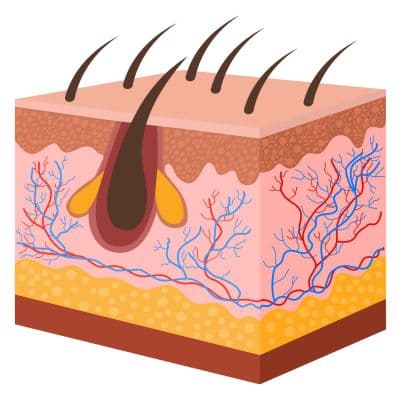
The skin consists of three main layers:

  • Epidermis (upper skin): this is where the skin barrier is located

  • Dermis (corium): contains blood vessels, nerves and connective tissue

  • Subcutis (subcutaneous tissue): consists mainly of fat cells.

The epidermis is in turn made up of several layers:

  • Stratum Basale: basal layer

  • Stratum Spinosum: prickle cell layer

  • Stratum Granulosum: granular layer

  • Stratum Lucidum: clear layer

  • Stratum Corneum: horny layer

  • Stratum Basale: This is the lowest layer of the epidermis and lies directly against the dermis. New skin cells are continuously produced in this layer. These young cells divide and slowly move up to the layers above. In this way the skin is constantly renewed from within. This process is the natural cell division of the skin.

  • Stratum Spinosum: this layer contains cells that are connected to each other by means of small bridges. This allows the skin to move along a little and makes it resistant to pressure and friction.

  • Stratum Granulosum: The cells in this layer fill with a protein: keratin, which is produced by the keratinocytes. Keratin makes the skin firm and water-repellent.

  • Stratum Lucidum: This layer only occurs on thick skin, such as the palms of the hands and the soles of the feet. It is a thin, transparent layer that provides extra protection.

  • Stratum Corneum: this is the outermost layer of the skin. This skin consists of dead skin cells that have become keratinised (hard and flat). They form a protective barrier against dehydration, dirt and bacteria.

This is how dry / sensitive skin develops


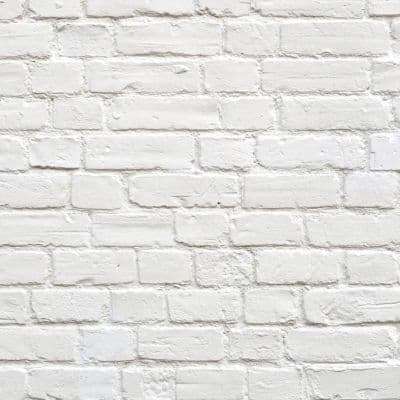
The Stratum Corneum can be compared to a brick wall. The dead skin cells are the bricks and the lipids (fats) are the cement that holds everything together. This cement keeps the skin barrier firm and retains moisture.

If the fatty layer is damaged, for example by aggressive cleansing products that wash away all the fats, the skin loses its protective function. Think of it as the crumbling of cement, which creates small cracks. As a result, moisture can escape easily and irritating substances can penetrate more quickly. And this is how dry, sensitive skin can develop!

Function of the skin barrier

The skin barrier, in particular the horny layer, has a number of essential roles in protecting and keeping our skin healthy. These are the functions of the skin barrier:

  • Protection against external influences: The horny layer is the first line of defence against external influences. The horny layer keeps unwanted substances and micro-organisms out. UV radiation and temperature fluctuations are partly held back by this layer.

  • Prevents moisture loss: Prevents trans-epidermal water loss (TEWL), so that the skin stays hydrated and does not dry out.

  • pH regulation and microbial balance: The skin barrier has a slightly acidic pH (around 4.5-5.5), which helps to keep the natural skin flora (microbiome) in balance, inhibit the growth of harmful micro-organisms and support immune cells in the skin. These immune cells respond early to intruders.

  • Protection of the deeper skin layers: in addition to superficial protection, the barrier also shields the underlying layers. This keeps the structure of collagen and elastin protected from breakdown, and sensitive nerve endings and blood vessels are better shielded from stimuli.

A healthy skin barrier is therefore very important for both the appearance and the functioning of your skin. It contributes to smooth, even and radiant skin and ensures less sensitivity such as redness, itching and eczema. It also ensures better absorption and effectiveness of skincare products.

Signs of a disrupted skin barrier

How do you know whether your skin barrier is out of balance? A damaged skin barrier usually shows clear warning signs. Look out for the following symptoms:

  • Dryness and flaking: The skin feels rough, especially around the nose, mouth and cheeks.

  • Redness or blemishes: A disrupted barrier lets irritating substances and bacteria penetrate more easily, which can cause redness or blemishes.

  • Sensitivity and itching: Skin reacts more quickly to skincare products.

  • Tight feeling: After washing or simply during the day.

  • Pimples and inflammation: Due to increased permeability.

It is important to take these signals seriously. The sooner you intervene, the faster your skin can recover. Because a damaged barrier makes the skin vulnerable.

Causes of damage to the skin barrier

There are various factors that can damage the skin barrier or throw it out of balance.

1. Excessive cleansing

One of the most common culprits is overly aggressive cleansing of the skin. Regular contact with water (especially hot water) and drying soaps or cleansers with a high pH can wash away the skin's fats.

Oily skin
People with oily skin often make it worse by using aggressive degreasing agents, for example a high percentage of alcohol, soap or acid. As a result, they run a greater risk of damaging the skin barrier. So for oily skin too: cleanse gently and protect your skin!

Dry / sensitive skin
Dry or sensitive skin is naturally more vulnerable and tolerates aggressive cleansers even less well, which can result in irritated, flaky and tight skin.

2. Excessive exfoliation

Peels and scrubs can improve skin texture when used correctly, but exfoliating too often or too intensely (with strong acids, scrub particles or exfoliating devices) damages the horny layer. It removes too much of the protective cell layers and lipids, making the barrier "thinner" and less effective.

3. Use of irritating cosmetics or treatments.

Products with alcohol, perfume, SLS (sodium lauryl sulfate) or synthetic fragrances can disrupt the skin barrier. Certain active substances in high concentrations (such as retinoids, benzoyl peroxide or highly concentrated fruit acids) can also weaken the barrier when used excessively or incorrectly.

People with oily skin in particular regularly use such powerful products. Of course these products can support the skin, but using too much can irritate the skin, dry it out and throw the skin barrier out of balance.

4. Environmental factors / UV radiation

Cold air and low humidity (due to heating, for example) in winter draw moisture out of the skin and slow down the production of skin fats, which weakens the barrier. This is why many people suffer from drier, flaky skin in winter. Wind and extreme heat can also dry out and damage the skin. Excessive exposure to sunlight can also affect the skin barrier. Sunburn is an extreme example of this: the skin peels, a sign that the skin's barrier has been damaged.

5. Skin type and genetic predisposition

Some people naturally have a less strong skin barrier. Dry skin types, for example, produce less sebum and have a thinner lipid barrier, which means they lose moisture more quickly and the skin dries out more easily

6. Age

As we get older, the natural production of skin lipids and natural moisturising factors decreases. The skin barrier therefore loses strength and recovers more slowly from damage

7. Lifestyle & hormones

Nutritional deficiencies (such as a lack of Vitamin A, D, E or essential fatty acids) can also affect the skin barrier. Chronic stress and hormonal fluctuations (menstruation, pregnancy, menopause) also weaken the skin barrier and can lead to dryness and flaking. Chronic stress raises the hormone cortisol, which impairs the skin barrier function and slows down its recovery.

What does your skin need for a healthy barrier?

A healthy skin barrier is essential for supple, resilient skin. That barrier consists largely of lipids:

  • Ceramides (50%)

  • Cholesterol (25%)

  • Free fatty acids (15%)

These fats form a kind of protective layer that retains moisture and keeps harmful substances out. In addition, natural moisturising substances such as amino acids, urea, lactic acid and salts allow the skin to hold water. Without these substances the skin dries out and becomes flaky and vulnerable.

But the barrier is about more than just fat and moisture.

What does the skin need?

  • A slightly acidic pH (4.5-5.5): the acid mantle ensures that enzymes and good bacteria can do their work.

  • A healthy microbiome: good bacteria on the skin keep bad bacteria in check and help to strengthen the barrier.

  • Sufficient nutrition from within: Essential fatty acids (such as omega 3 & 6) and vitamins (A, C, D and E) are needed for the building and repair of the skin.

  • Drinking enough water: hydration from within is just as important as from the outside.

  • Rest & recovery: sleep, less stress and a stable hormone balance support the recovery of the skin

How do you strengthen the skin barrier naturally?

The skin barrier is your first line of defence against harmful external influences. It prevents moisture loss and protects against irritating substances, bacteria and pollution. If the barrier is weakened, you may suffer from dryness, redness, flaking or a tight feeling. Fortunately, with the right approach and ingredients, you can do a lot to protect, restore and strengthen your skin barrier.

Step 1: Gentle cleansing

Cleanse gently, without disrupting the skin barrier. This is how you do it:

  • Use a mild cleanser with a slightly acidic pH

  • Cleansing oil or balm is ideal: it cleanses without drying out

  • Avoid hot water and aggressive cleansers. Lukewarm is enough and ensures that the skin's fats do not dissolve.

  • Shower briefly: a maximum of 10 minutes with lukewarm water

  • Pat the skin dry instead of rubbing; this prevents damage to the outermost skin layer.

  • Do not wash more often than necessary. Cleansing once a day is usually enough. Cleansing too often can actually weaken the barrier.

Step 2: Hydrate

After cleansing, your skin is often a little drier. Apply a hydrating toner, spray and/or serum straight away, with:

  • Glycerine

  • Hyaluronic acid

  • Aloe Vera

  • D-panthenol

These ingredients attract water into the skin and prepare it for further care. A hydrating serum with hyaluronic acid or panthenol works too.

Step 3: Care: sealing in and restoring moisture

After applying a hydrating toner, it is important to lock in the moisture and help the skin barrier to recover. You do this with nourishing, soothing and barrier-strengthening ingredients.

Barrier-strengthening ingredients

These substances work deeper or stimulate the skin's own barrier function.

  • Niacinamide (vitamin B3): Strengthens the skin barrier, reduces moisture loss and redness.

  • Ceramides (plant-derived): Essential for the lipid structure in the skin, prevents trans-epidermal water loss (TEWL).

  • Panthenol (pro-vitamin B5): Soothing and hydrating, helps with skin recovery.

Plant butters (occlusive, moisture-retaining):

  • Shea butter: Rich in fatty acids, supports skin recovery.

  • Cocoa butter: Nourishing and protective for dry or cracked skin.

  • Mango butter: Light and soothing, rich in antioxidants.

Plant oils (lipid-restoring):

  • Jojoba oil: Resembles sebum, regulates and soothes.

  • Almond oil: Mild, nourishing and ideal for sensitive skin.

  • Avocado oil: Rich in A, D and E, nourishes intensively.

  • Hemp seed oil: Perfect ratio of omega 3 & 6, restorative.

  • Evening primrose oil / Borage oil: Rich in GLA, ideal for inflammation or dry skin.

  • Rice Bran Oil: Contains natural ceramides.

  • Pomegranate oil: Stimulates cell renewal and skin recovery.


Plant extracts and CO₂ extracts

These are full of antioxidants, soothe the skin and indirectly help to strengthen the barrier.

  • Calendula CO2 extract: Supports recovery of damaged skin.

  • Sea buckthorn CO₂ extract: Rich in fatty acids and antioxidants, stimulates skin recovery.

  • Echinacea extract: Increases the skin's resistance, supports barrier function.

Nutrition and lifestyle for a healthy skin barrier

Your skin reflects your lifestyle. Poor nutrition and stress can weaken your skin barrier.

Barrier-strengthening nutrition

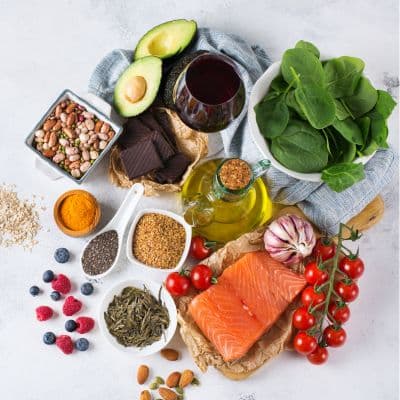
  • Omega 3 fatty acids: (flaxseed, chia seed, oily fish): strengthen the skin structure

  • Vitamin C & E: (citrus fruits, nuts): antioxidants that protect skin cells

  • Water: Drink at least 1.5 litres a day

Lifestyle:

  • Sleep: 7-9 hours of sleep helps the skin to repair itself

  • Relaxation, breathing, meditation and exercise visibly improve your skin.

DIY time! Recipes to make yourself