New: No BS Deo stick, up to 40% off Shop now
Do you want to stay updated on offers, (giveaway) actions and recommendations? This way you won't miss out on anything! Not too often, we promise.


Whether you're a seasoned herb lover or just getting started, learning to make macerates and tinctures is a great way to harness the power of plants. Choosing the right method depends on exactly what you want to extract from the plant. In this blog you'll read more about making macerates and tinctures.
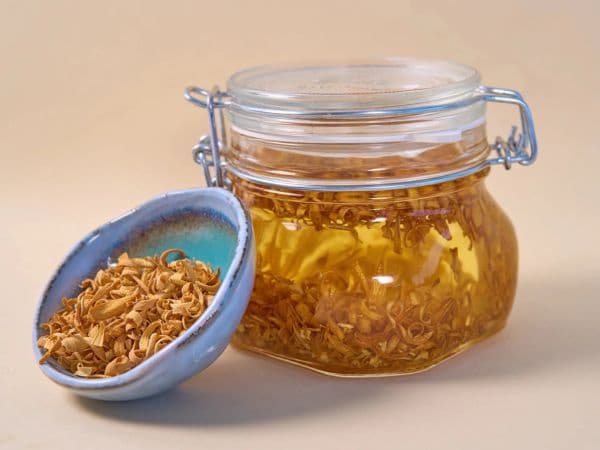
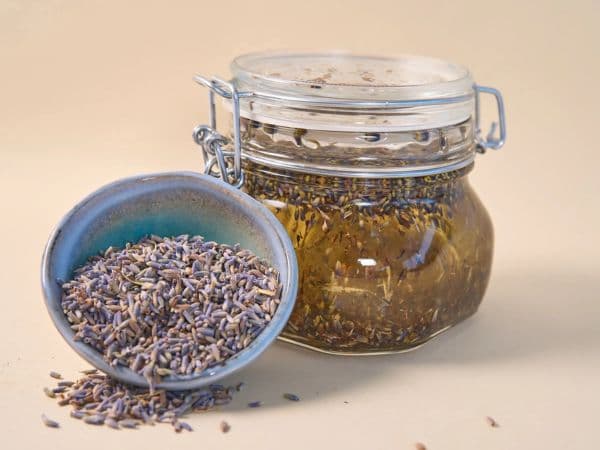
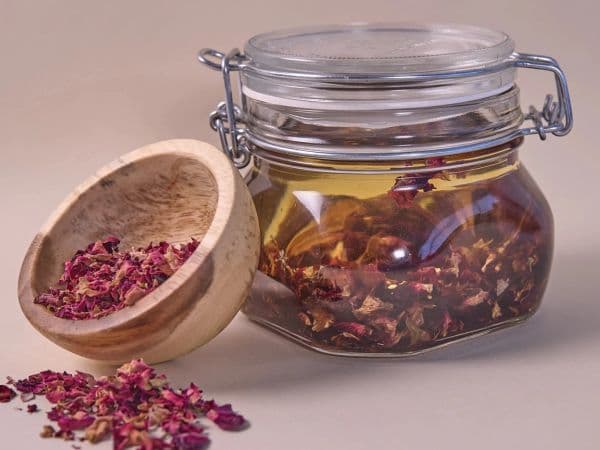
Macerates are oils in which you steep plant material to transfer its active compounds into the oil. It's a process that's especially suited to fat-soluble compounds, such as vitamins, fatty acids and some antioxidants. Think of the well-known Calendula or lavender macerates.
Fill a jar with dried herbs and pour a base oil (such as almond, jojoba or olive oil) over them until the plant material is completely submerged. Make sure the herbs are thoroughly dried to prevent mould.
Place the jar somewhere warm and let the mixture steep for 4-6 weeks. Patience is key: it gives the oil plenty of time to absorb the plant's active compounds. Shake the jar now and then so the herbs mix well with the oil.
After a few weeks, strain the mixture through a sieve or cheesecloth into a clean bottle or jar. Make sure you remove all of the herbs.

Choose the right oil
Not all oils are suitable for every type of macerate. Some oils oxidise faster, while others are very stable. A few examples:
Sweet almond oil: Soft and nourishing, lovely for sensitive skin and mild in scent.
Jojoba oil: Actually a liquid wax, very stable and similar to our own sebum, which makes it a perfect carrier oil.
Coconut oil: Turns solid at room temperature, so it's less practical if you want a liquid end product.
Dried or fresh plant material
For macerates, dried plant material is usually recommended because there's less risk of spoilage from moisture. Fresh plants can release moisture into the oil, which can cause mould or bacterial growth. Let fresh material dry thoroughly before putting it in oil, especially with moist plants such as Calendula, or simply buy dried herbs.
Storage and hygiene
Make sure all your materials are clean and dry. Use clean glass jars and dark bottles to store your macerate. Dark bottles help prevent the oil from oxidising. Don't forget to carefully strain the plant material after macerating (with a clean, boiled cotton cloth) and filter it if needed to remove any residue that could cause spoilage.
There are different methods for making a macerate. Choose the one that best suits your situation.
Cold maceration
Let the herbs/plants steep in oil at room temperature or in sunlight for 4-6 weeks. This process takes longer, but it's better for heat-sensitive oils.
Warm maceration
This speeds up the extraction of fat-soluble compounds from the plants. It's a handy option if you don't have time to let the mixture stand for weeks. Do choose a stable oil such as Sweet Almond Oil. Put the oil in a double boiler or bain-marie and heat it at a low temperature. It's important that the oil doesn't get too hot: try to stay below 45°C to avoid damaging the active compounds. Once the oil has warmed up, add the herbs and leave them at a constant temperature for 2-4 hours.

Macerates are mainly intended for extracting fat-soluble compounds from plants, such as fatty acids, vitamins, carotenoids, polyphenols and some saponins.

Rancidity
Oils can oxidise and go rancid, especially if you use oil or herbs with a high water content. Use thoroughly dried plant material and store your macerates in a cool, dark place.
Mould
If moisture gets into your oil (for example from using fresh plants or from condensation), mould can develop. This often happens when the plant material wasn't dried well enough or the jar wasn't closed properly.
Wrong choice of oil
Some oils spoil faster than others. Linseed oil, for example, has a short shelf life and oxidises quickly. Always choose a stable oil such as Olive Oil or Jojoba if you want to keep a macerate for longer.
Insufficient extraction
If the maceration period is too short or the plant isn't chopped finely enough, not enough compounds can be extracted.

Want to make your own macerate? Discover our favourite macerate recipes now!
Or try the ready-made macerates based on Almond Oil or Sunflower Oil.
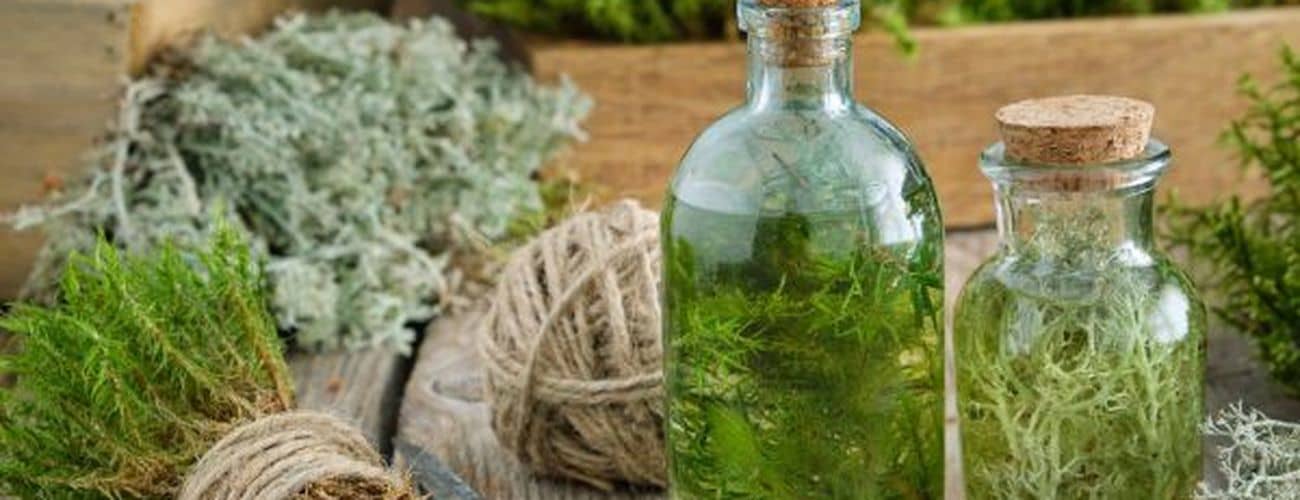
A tincture is an extract in which alcohol (or sometimes glycerine or vinegar) is used as a solvent to draw the active compounds out of herbs. Alcohol works brilliantly to extract both water- and fat-soluble compounds. This makes tinctures particularly potent and suitable for both internal and external use.
Fill a jar with finely chopped dried or fresh herbs and pour the alcohol over them. Make sure the herbs are well covered.
Let this mixture steep for 4-6 weeks in a dark place and shake the jar regularly.

The strength of your tincture depends on the ratio of plant material to alcohol and on the alcohol percentage. The general guidelines are as follows
Tinctures of flowers and leaves: 40-50 % alcohol
Tinctures of roots and woody parts of the plant: 50-70 % alcohol
Tinctures of resin: 80-95 % alcohol.
If you want to make an alcohol-free tincture, you can use glycerine or apple cider vinegar. These are milder, but also less effective at extracting fat-soluble compounds. A glycerine-based tincture is also called a glycerite. Read more about it in this blog.
Written by: Helena