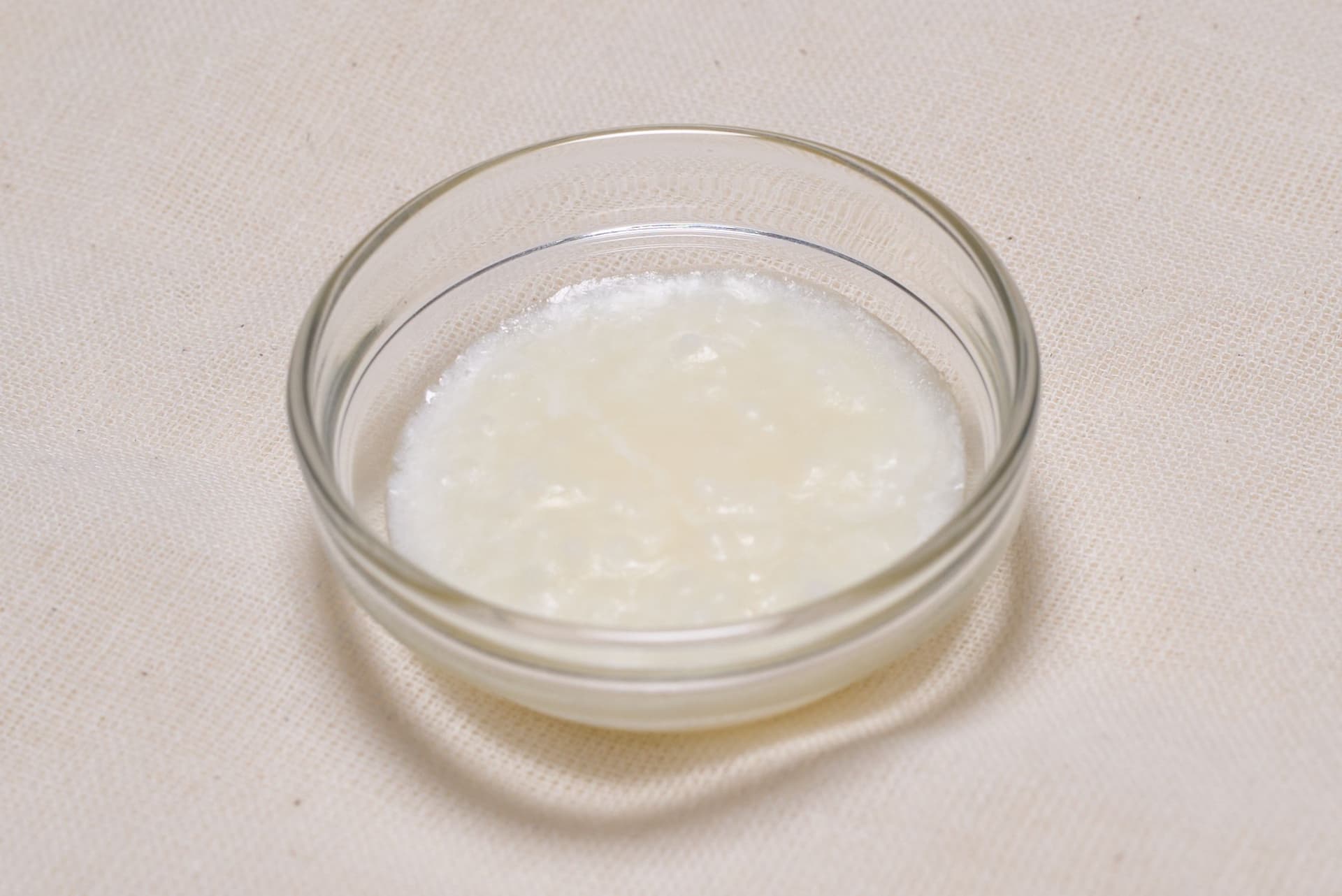
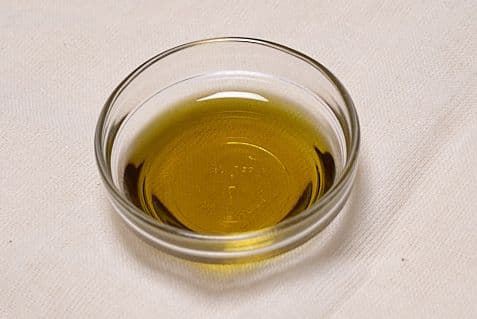
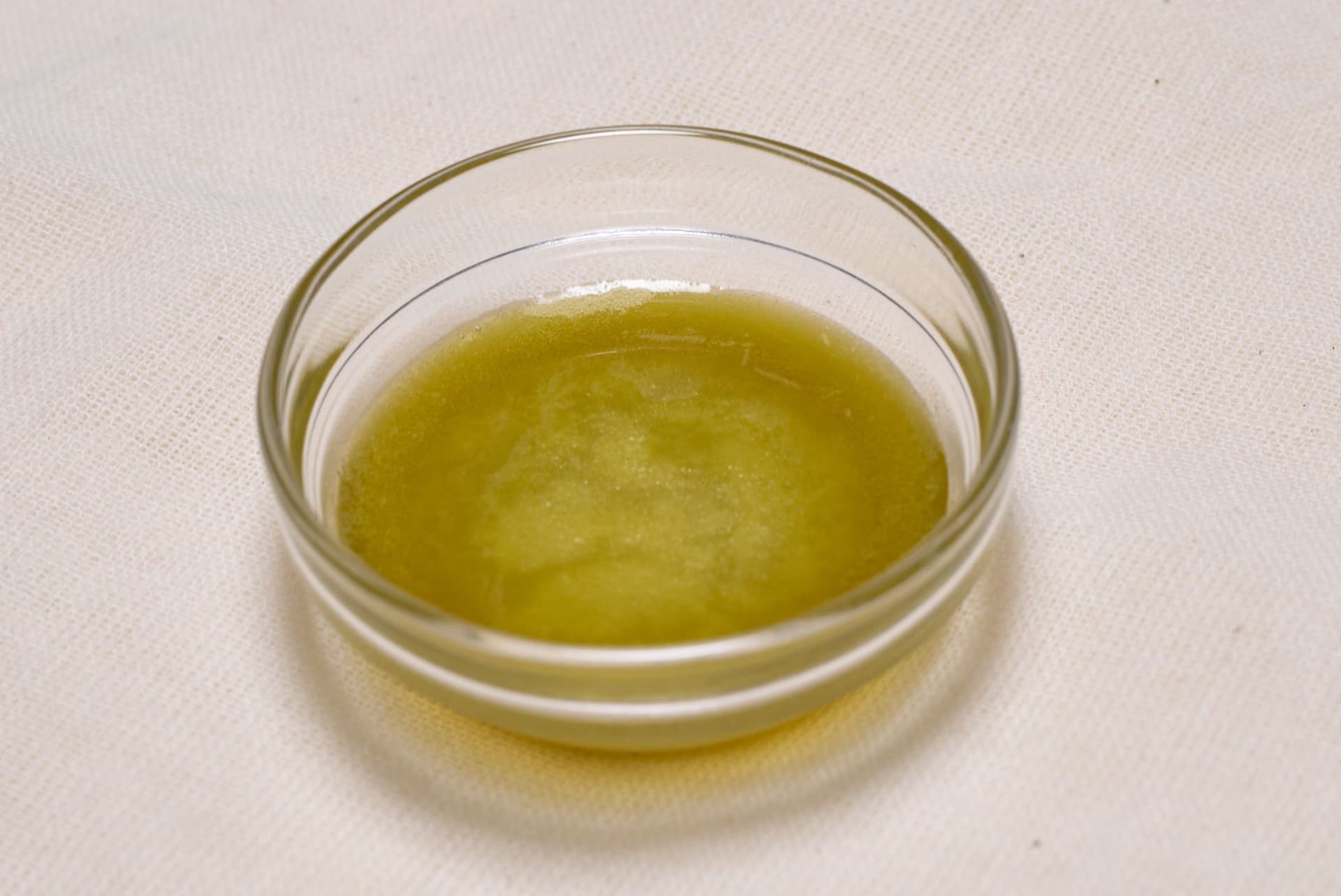
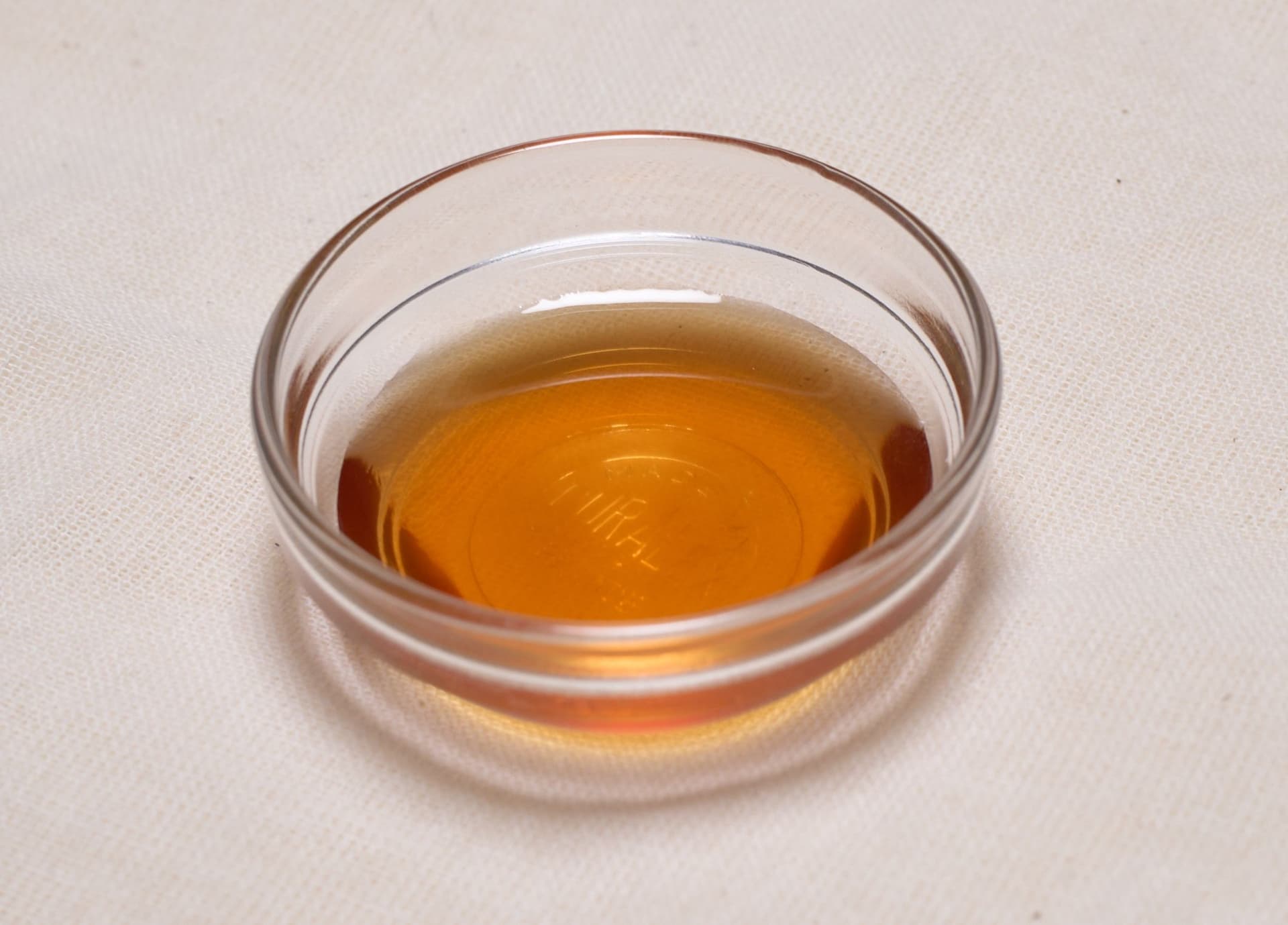
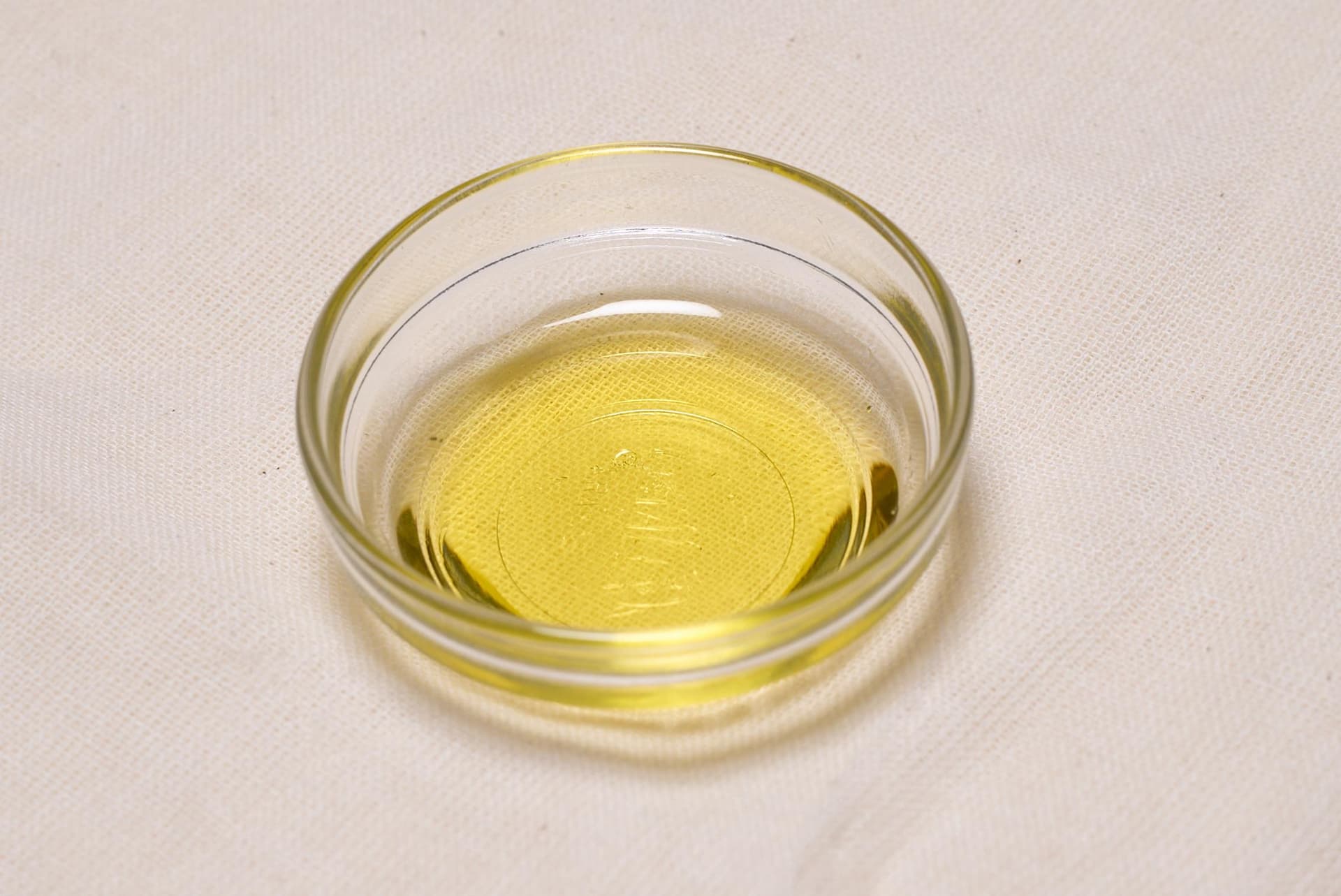
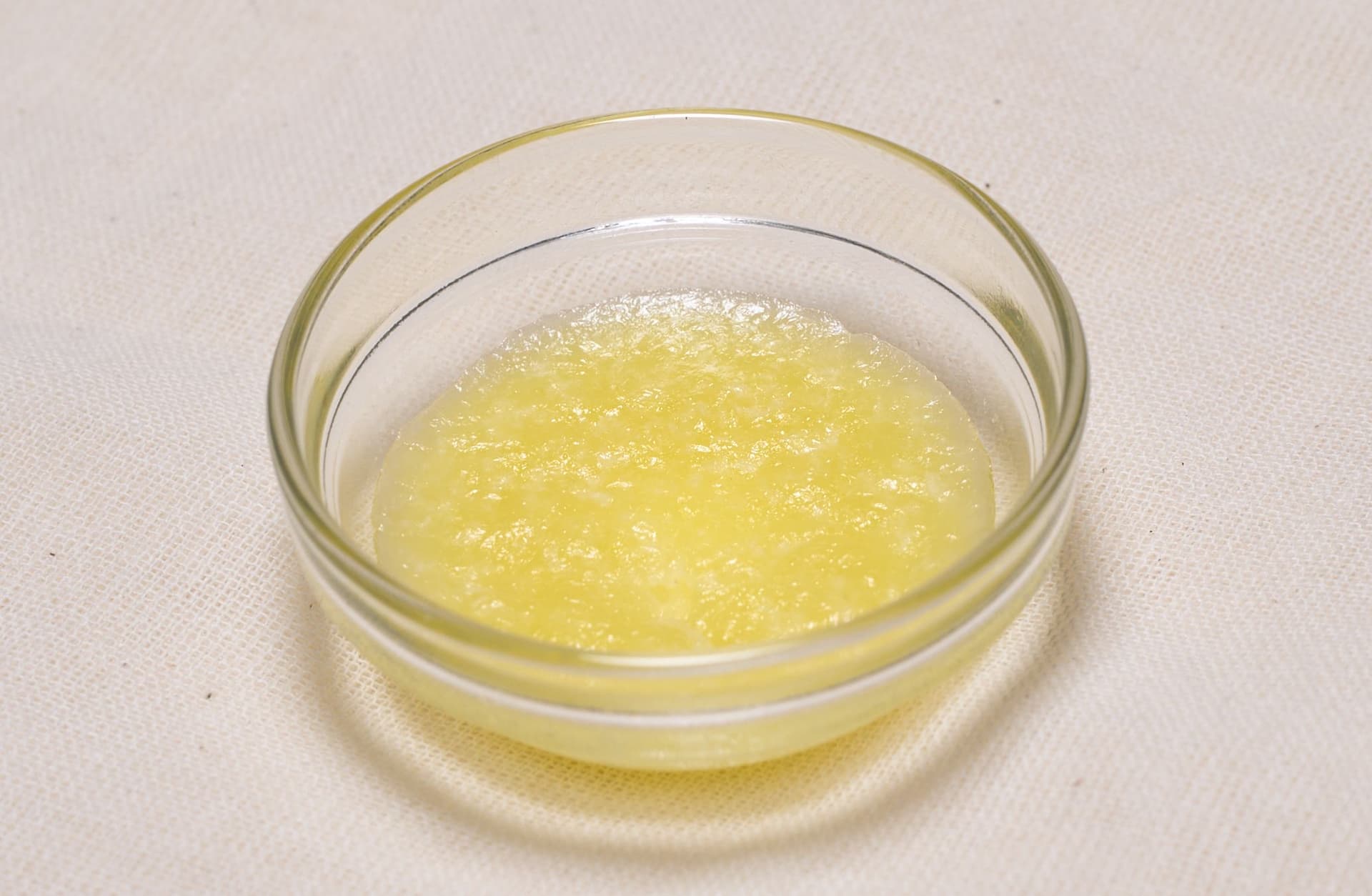
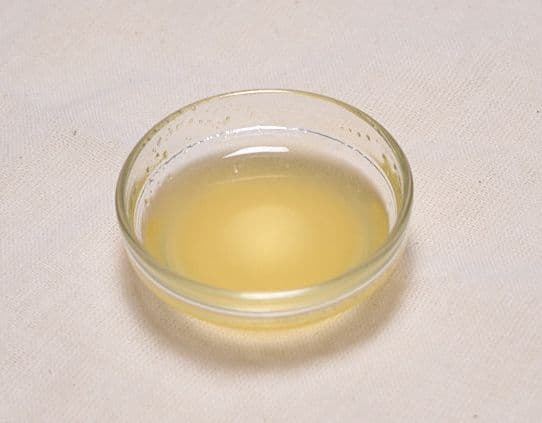
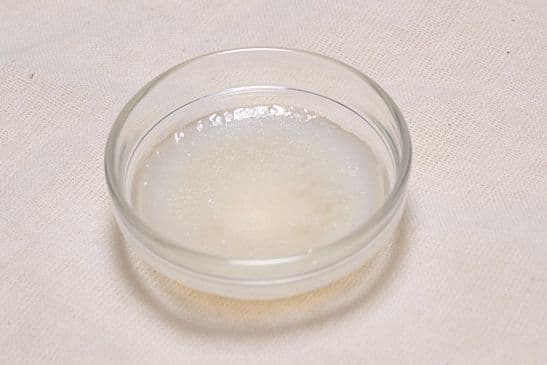
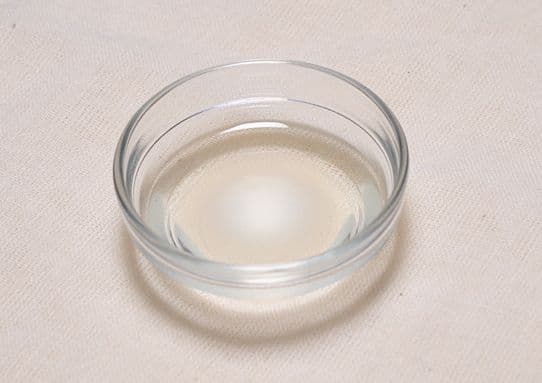
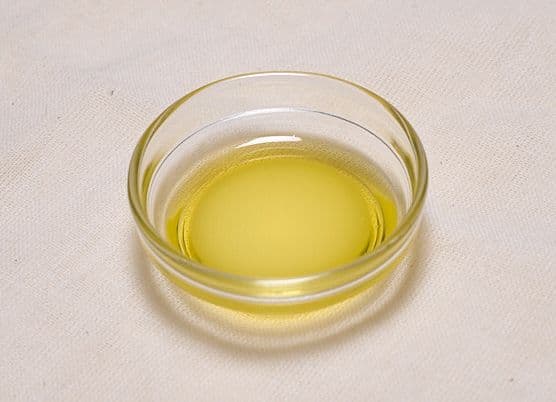
Many people have at some point ordered coconut oil and most are aware that coconut oil is hard at cold temperatures and liquid at warmer temperatures. Coconut oil has a melting point of about 25 degrees and, in our cold little corner of the world, is therefore more often coconut fat than a liquid oil.
But did you know that there are more oils that solidify? We often receive questions such as: Why are there white flakes in my oil? My oil is not completely liquid, what should I do? We will answer that for you today!
Why do oils solidify?
There are various reasons why oils can solidify; this mainly has to do with the composition and processing method of an oil.
Oils contain fatty acids. These crystallise when they cool down. This is because the molecules in the oil move and attach to one another as the oil cools. The speed at which the oils solidify depends on the composition of the oil.
When an oil consists mainly of saturated fats, it is more prone to solidifying than oils with a higher content of unsaturated
fats. Coconut oil, for example, contains a lot of saturated fats and therefore solidifies more quickly at lower temperatures. Oils with a lot of unsaturated fats are, for example, Grape Seed Oil or Almond Oil, so you will not often come across these oils solidified!
What does a solidified oil look like?
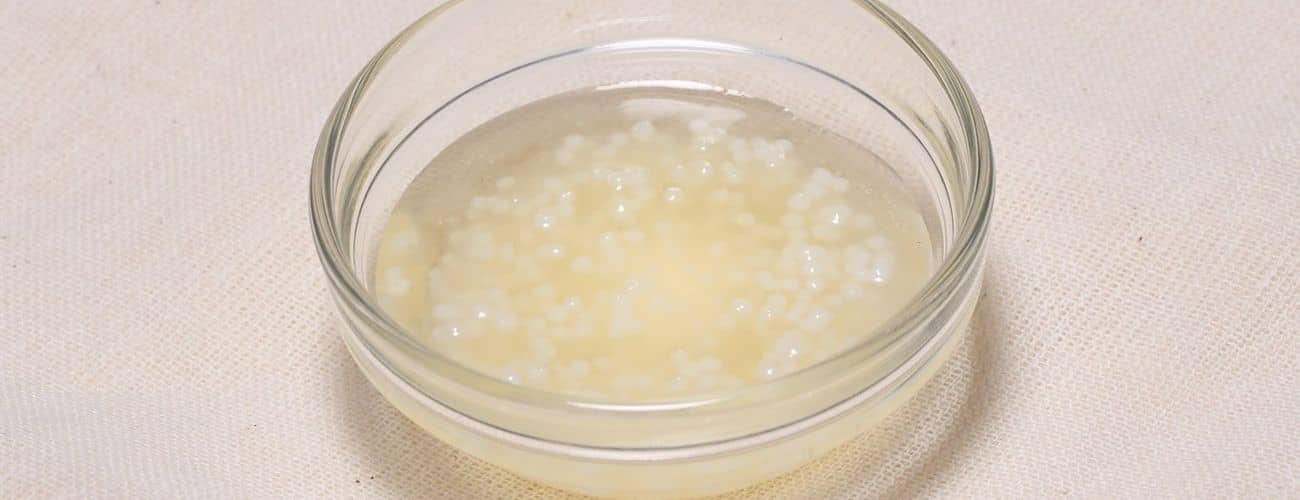
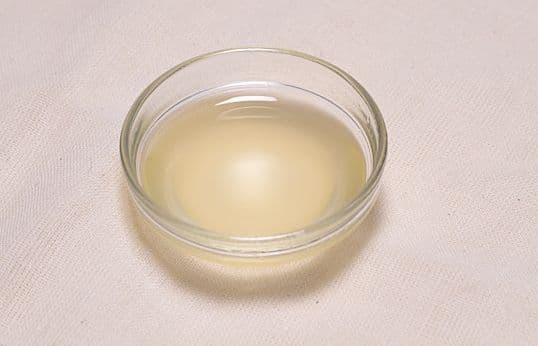
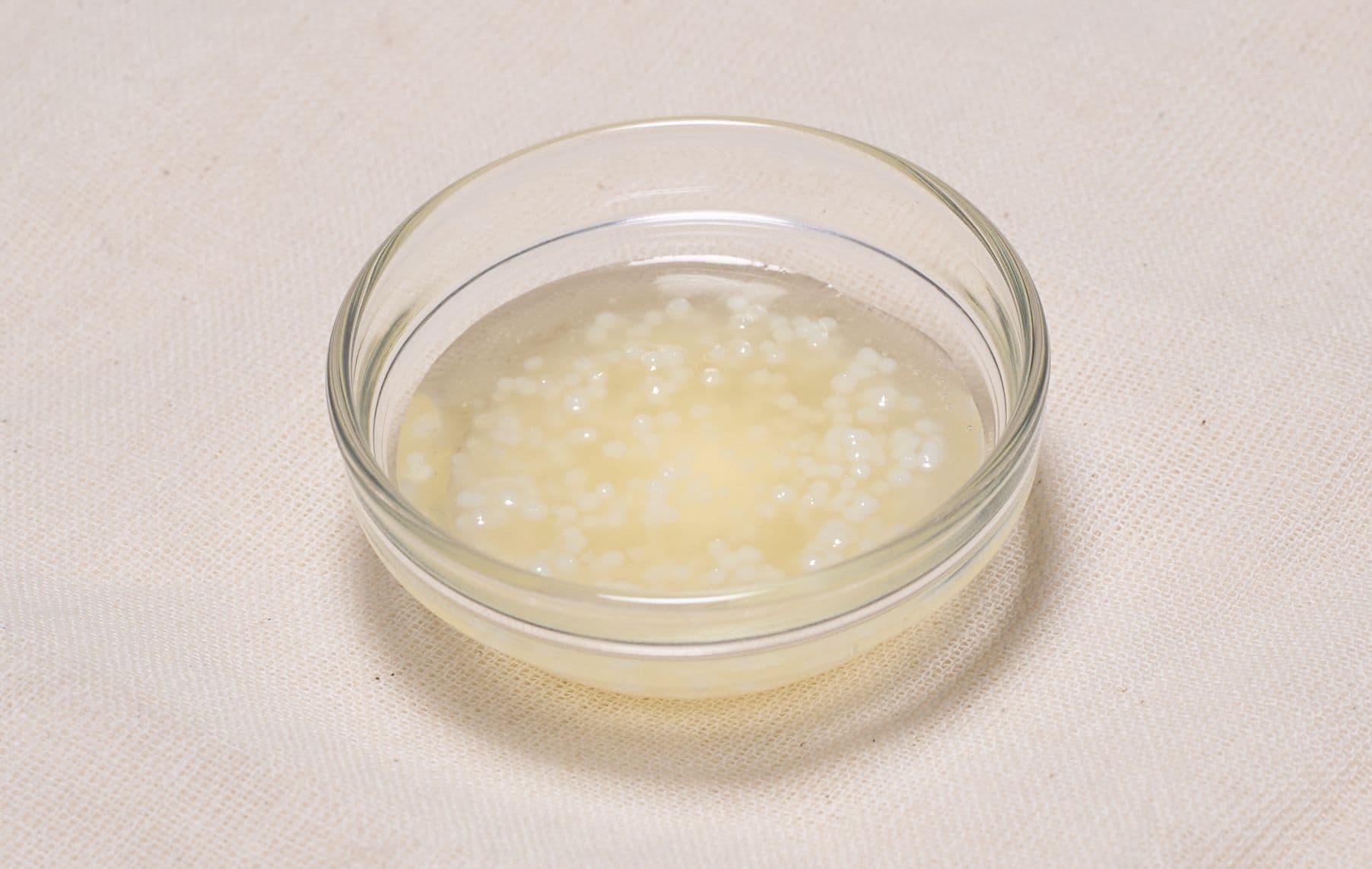
Most oils consist of various oil acids, each with its own freezing temperature. When part of the fatty acids is ‘frozen’ and part is not, you will see this in your bottle as whitish clouds. If the temperature drops even further, the whole bottle will be cloudy. The oil takes on a solid form and is then difficult to get out of the bottle!
 You can unsubscribe at any time.