New: No BS Deo stick, up to 40% off Shop now
Do you want to stay updated on offers, (giveaway) actions and recommendations? This way you won't miss out on anything! Not too often, we promise.


Soap. Everyone knows what it is and everyone has used it at some point. But many people don't know exactly what it does to your skin. Yes okay, it cleans and gives you a fresh feeling. Still, every now and then we get questions about using soap. People say that soaps dry out the skin and are then very disappointed (and unhappy) with the product. Is that fair? Let's find out!
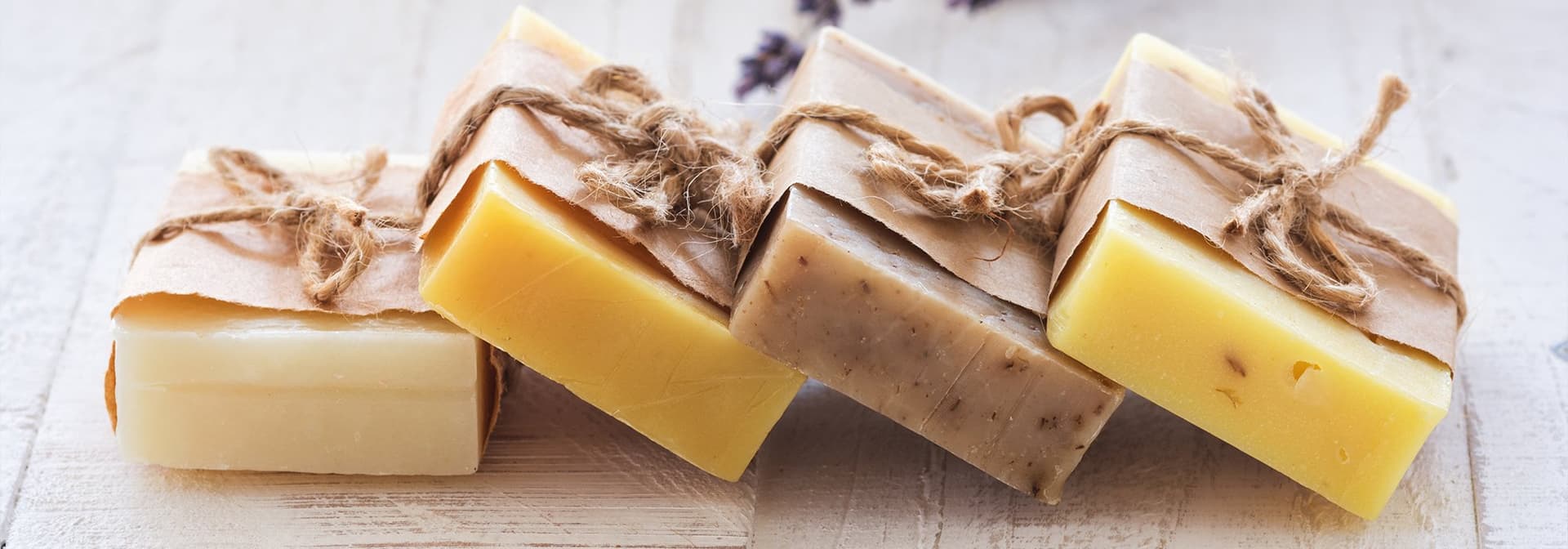
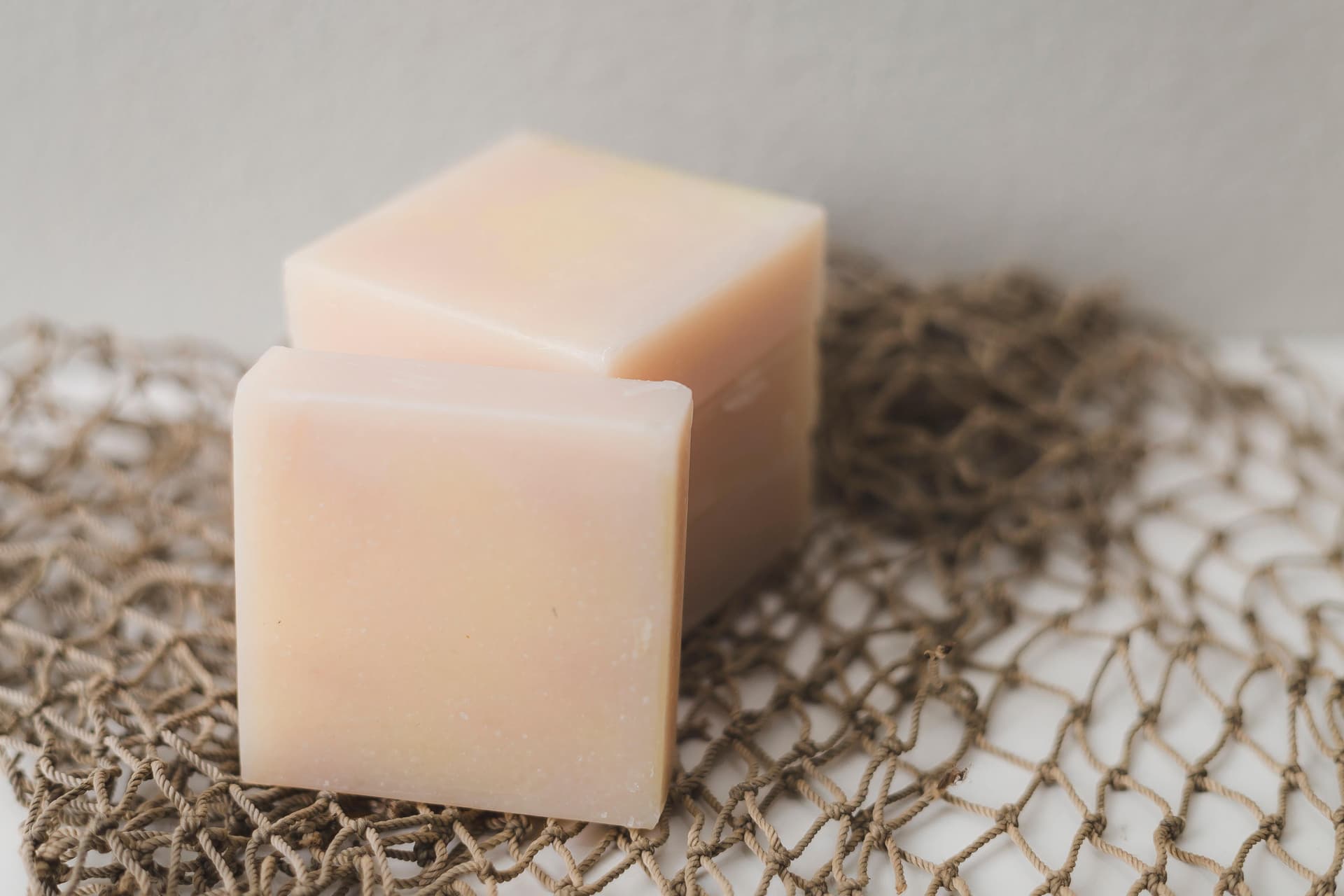
Soap comes in all kinds of shapes, colours, sizes and consistencies. With soap you can remove dirt, sweat and natural oils from your skin. Soaping can remove dead skin cells from your skin. This leaves your skin cleansed and feeling fresh. It seems like the perfect solution for wonderfully soft skin.
But if you don't use soap the right way, it can do more harm than you'd think. Soap can dry out the skin quite a bit if you use too much of it. This is because soap removes natural oils (sebum) from your skin. So if you naturally have very dry skin, it's wise to read up properly on using soap.

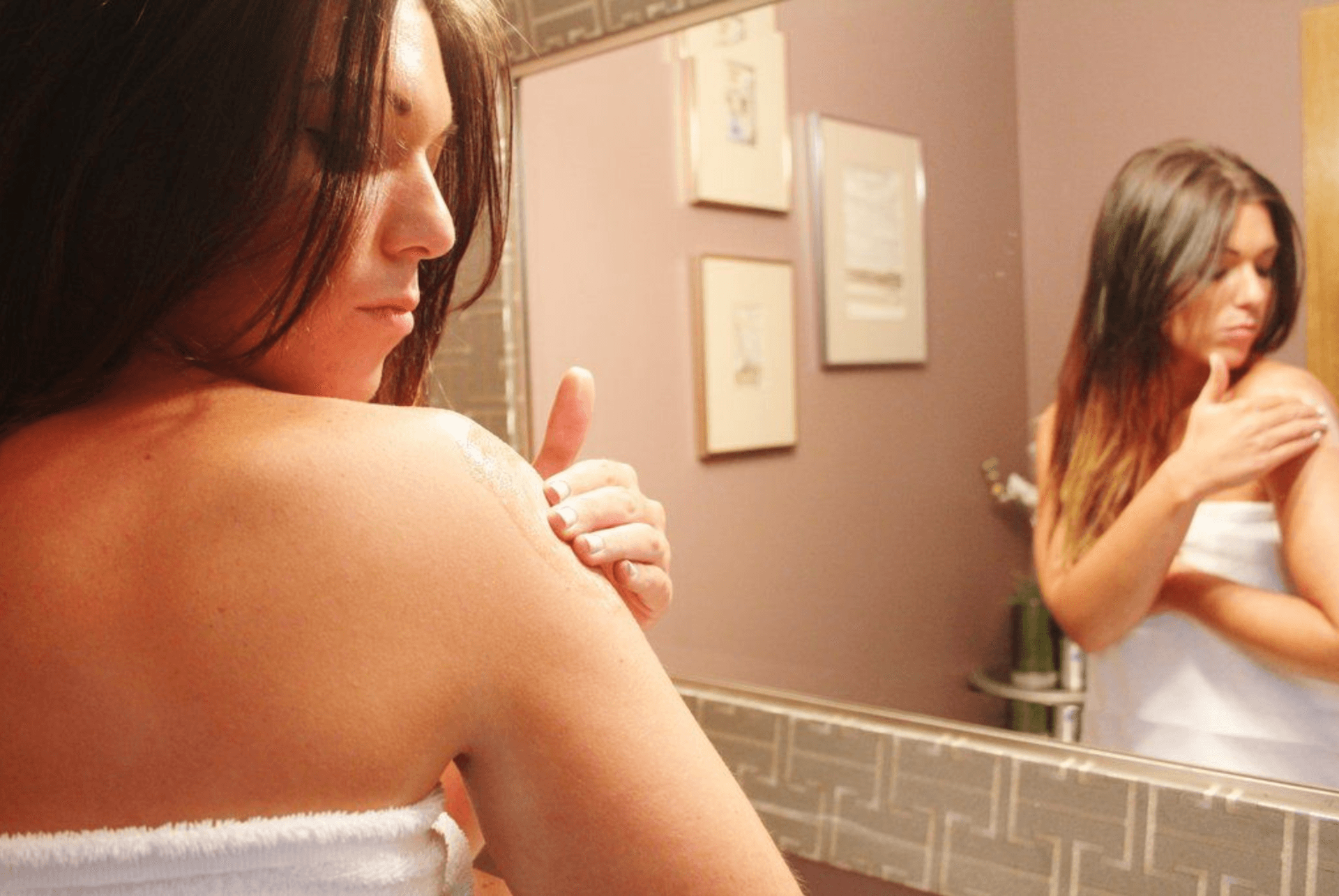
But then... how can you use soap responsibly when your skin is as dry as the entire Western Sahara? The solution is simple. All you need to do is apply a hydrating butter or an oil to your face and body after washing with soap. That way your skin is still cleansed, but no longer bone dry.
There are plenty of butters and oils you can use for this. My personal favourites are Shea Butter and Argan Oil. These two not only hydrate the skin but also have a handful of other valuable properties that can boost your skin. Below is a list of oils and butters you can easily apply after cleansing your body and face.
Body:
Face:
Personally, I'd recommend using butters for the body and oils for the face. Although some of our customers swear by Shea for the face, which can work fine for dry skin, coconut oil for example is pore-clogging and better suited to the body. Oils absorb just that little bit more easily, and the oils above are suitable for the face.
By the way, you can apply a butter or oil several times a day. It's actually better to apply a small amount of oil several times a day than to smear your entire oil supply on your body just before bed ;) Your skin can only absorb a certain amount of oil or butter at a time.
You can easily apply oils to your face and body if you have oily skin. After washing with soap, even oily skin becomes drier. Just make sure you only apply a thin layer of butter or oil so your skin can still breathe. It's also important to avoid the oiliest parts of your skin (T-zone). The best oil to use for oily skin is Jojoba oil. The name Jojoba oil is somewhat misleading, because technically Jojoba oil isn't an oil. It's actually a liquid wax, so it has a different composition from most other well-known oils.

There are thousands of different kinds of soap in the world. Many of them are synthetic, but there are also some lovely natural soaps. Natural soaps don't contain synthetic substances (such as SLS) that dry out the skin in the long run.
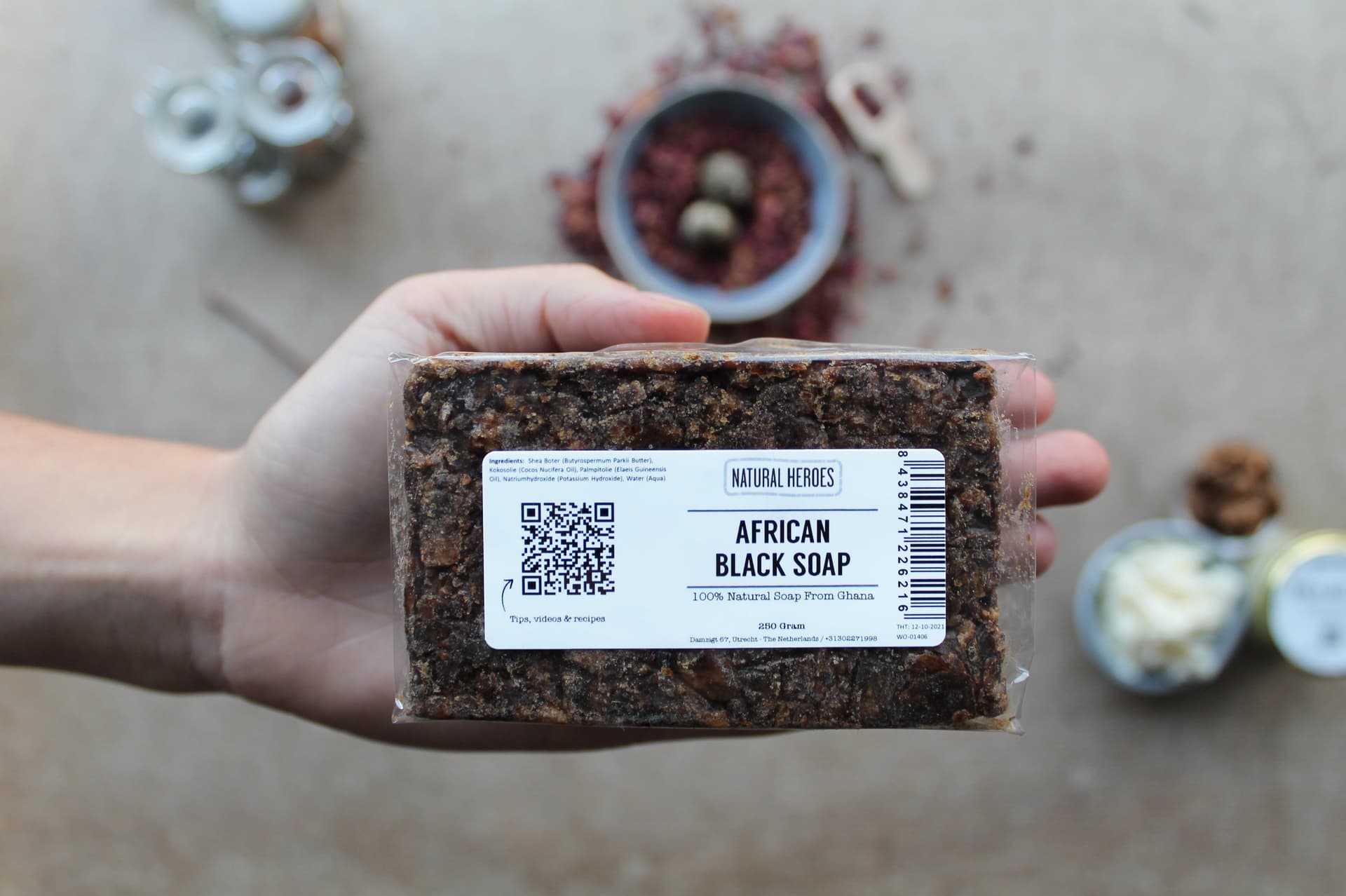
Three amazing and effective natural soaps are: African Black Soap, Aleppo Soap and Marseille Soap. These soaps are all centuries old and are still made in a natural, traditional way to this day. Of course, there are also synthetic versions of these three soaps, so do your research properly before you buy a soap.

Hopefully all the myths about soap have now been put to rest, and you know exactly how to keep using soap without drying out your skin. Have you ever had (negative) experiences with soap? And how did you solve the problem? Be sure to let me know in the comments below.
Author: Aurelie Deloo