Causes of damage to the skin barrier
There are various factors that can damage the skin barrier or throw it out of balance.
1. Excessive cleansing
One of the most common culprits is overly aggressive cleansing of the skin. Regular contact with water (especially hot water) and drying soaps or cleansers with a high pH can wash away the skin's fats.
Oily skin
People with oily skin often make it worse by using aggressive degreasing agents, for example a high percentage of alcohol, soap or acid. As a result, they run a greater risk of damaging the skin barrier. So for oily skin too: cleanse gently and protect your skin!
Dry / sensitive skin
Dry or sensitive skin is naturally more vulnerable and tolerates aggressive cleansers even less well, which can result in irritated, flaky and tight skin.
2. Excessive exfoliation
Peels and scrubs can improve skin texture when used correctly, but exfoliating too often or too intensely (with strong acids, scrub particles or exfoliating devices) damages the horny layer. It removes too much of the protective cell layers and lipids, making the barrier "thinner" and less effective.
3. Use of irritating cosmetics.
Products with alcohol, perfume, SLS (sodium lauryl sulfate) or synthetic fragrances can disrupt the skin barrier. Certain active substances in high concentrations (such as retinoids, benzoyl peroxide or highly concentrated fruit acids) can also weaken the barrier when used excessively or incorrectly.
People with oily skin in particular regularly use such powerful products. Of course these products can support the skin, but using too much can irritate the skin, dry it out and throw the skin barrier out of balance.
4. Environmental factors / UV radiation
Cold air and low humidity (due to heating, for example) in winter draw moisture out of the skin and slow down the production of skin fats, which weakens the barrier. This is why many people suffer from drier, flaky skin in winter. Wind and extreme heat can also dry out and damage the skin. Excessive exposure to sunlight can also affect the skin barrier. Sunburn is an extreme example of this: the skin peels, a sign that the skin's barrier has been damaged.
5. Skin type and genetic predisposition
Some people naturally have a less strong skin barrier. Dry skin types, for example, produce less sebum and have a thinner lipid barrier, which means they lose moisture more quickly and the skin dries out more easily
6. Age
As we get older, the natural production of skin lipids and natural moisturising factors decreases. The skin barrier therefore loses strength and recovers more slowly from damage
7. Lifestyle & hormones
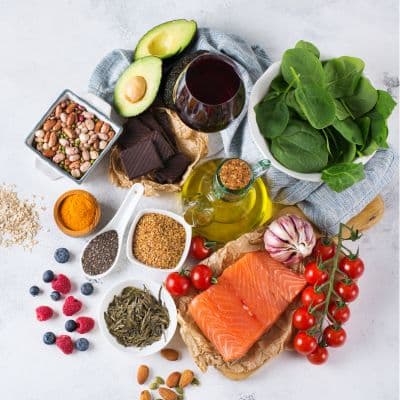
Nutritional deficiencies (such as a lack of Vitamin A, D, E or essential fatty acids) can also affect the skin barrier. Chronic stress and hormonal fluctuations (menstruation, pregnancy, menopause) also weaken the skin barrier and can lead to dryness and flaking. Chronic stress raises the hormone cortisol, which impairs the skin barrier function and slows down its recovery.