Ready-made products for your natural routine..
Do you want to stay updated on offers, (giveaway) actions and recommendations? This way you won't miss out on anything! Not too often, we promise.

Surfactants, also known as surface-active substances, are chemical compounds that lower the surface tension of a liquid. This allows other substances, such as air, grease and dirt, to penetrate that liquid more easily. As a result, surfactants take on a number of special properties. They cause foam to form, allow us to mix water and oil together, and ensure that grease and dirt are loosened and cleaned away.
Surfactants are used in many products you use every day, for example:
Shampoo and soap
They create the foaming effects of shampoo and soap and help cleanse your hair and skin by rinsing away dirt and grease.
Washing-up liquid and laundry detergent
They break down grease and food residue on dishes and clothing. Imagine trying to wash oil out of a pan with water alone. That would be tricky! Surfactants help dissolve the grease and rinse it away with water.
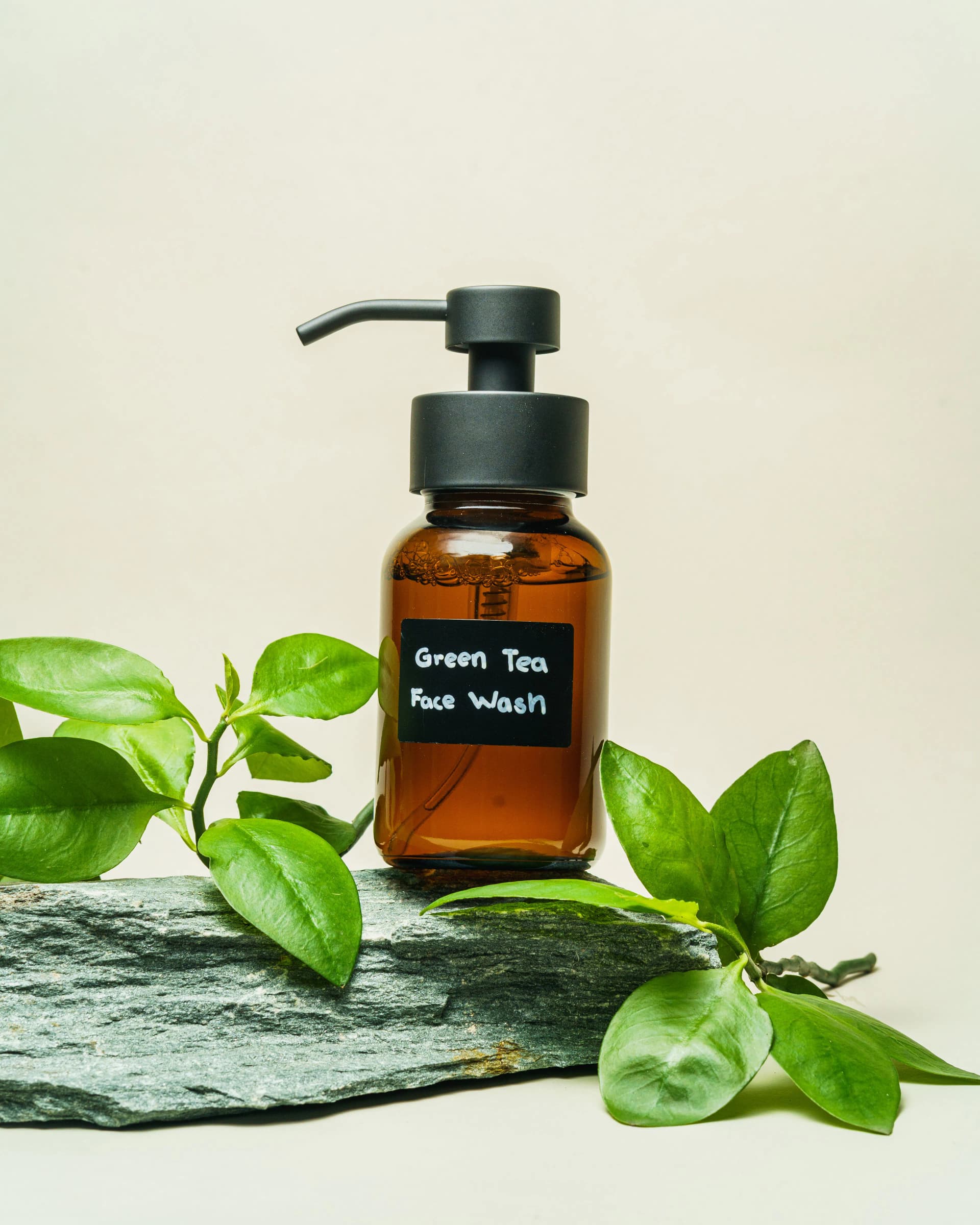
Facial cleansers/face wash
They remove make-up, oil and dirt from your face.
Toothpaste
They help clean your teeth and foam a little to make it easier to spread around your mouth.
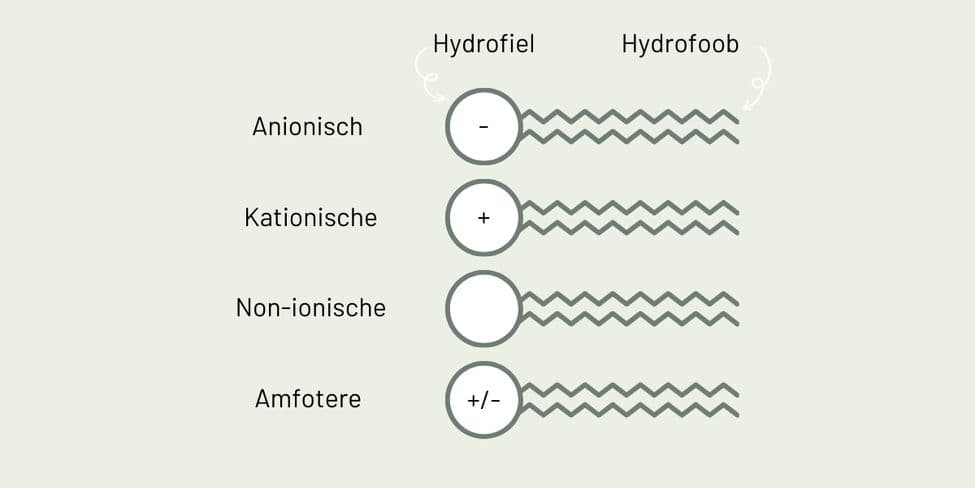
Anionic surfactants
These have a negative charge and are very good at removing dirt and grease. They are often found in products that produce a lot of foam, such as shampoo.
Examples of natural variants of these surfactants are: Cocofoam, (INCI: Sodium Cocoyl Isethionate, Greenfoam (INCI: Sodium C14-16 Olefin Sulfonate, and SLSA (Sodium Lauryl Sulfoacetate) and Greenfoam Liquid (INCI: Sodium C14-16 Olefin Sulfonate).|
Cationic surfactants
These have a positive charge and are used in products such as conditioners, because they help make your hair soft and smooth.
An example of natural variants of these surfactants is: Biosmooth (INCI: Distearoylethyl Dimonium Chloride, Cetearyl Alcohol).
Non-ionic surfactants
These have no charge and are usually milder. They are good for products that need to be gentle, such as facial cleansers and baby products.
Examples of these surfactants are: Decyl Glucoside, Caprylyl Capryl Glucoside and Coco Glucoside
Amphoteric surfactants
These can be either positively or negatively charged, depending on the pH value. They are gentle and are often used in baby shampoos.
An example of these surfactants is: Cocamidopropyl Betaine.
In addition, a distinction can also be made between liquid and powder surfactants. The difference lies mainly in the form, the ease of use and the applications.
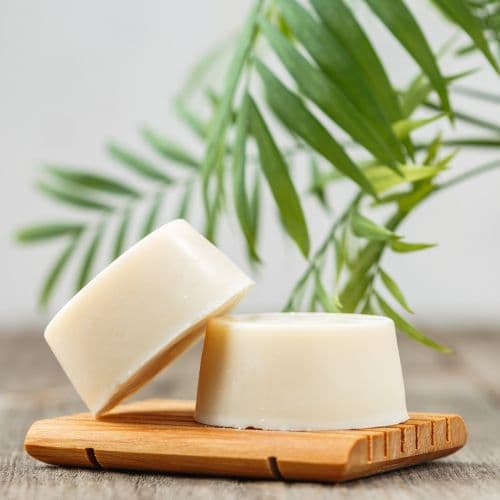
The difference between a syndet bar and a bar of soapA syndet bar, or synthetic detergent bar, is made from gentle, synthetic surfactants such as SCI. It is usually milder on the skin than a traditional bar of soap. They have a lower pH value, which is closer to the pH value of the skin. This makes them suitable for every skin type (even the most sensitive skin). A traditional bar of soap is made by saponifying oils with lye. This results in a product with a higher pH value, which can lead to a drier feeling on the skin.
Being synthetically produced does not always mean that something is bad. The source of the product can still be of natural origin, but during processing it turns into a synthetic product. This applies, for example, to ingredients such as Olivem 1000 and Cetyl Alcohol.
When you work with surfactants, there are 3 things to watch out for.
Don't use too much surfactant
Surfactants work by dissolving fats and oils, which is of course very good for cleansing. Too much surfactant will strip the skin's natural oils. This leads to dryness, irritation and redness because the skin loses its protective function.
Take the right safety measures
Make sure you take the right safety measures, such as wearing gloves and a mask, especially when working with powdered surfactants.
Mind the pH value of your product
Some surfactants are only effective within a specific pH range. Outside this range they can lose their cleansing or foaming properties, which makes the product work less well.
SLS (Sodium Lauryl Sulphate) and SLES (Sodium Laureth Sulfate) are surfactants you have most likely heard of. They are well-known surfactants used in many products on the high street. SLS and SLES have a foaming and degreasing action. These products clean the skin so thoroughly that they disrupt the skin's barrier function. As a result, other substances can irritate the skin. In addition, they are also harmful to aquatic organisms when they end up in the environment, because they are difficult to break down. We therefore advise against using these ingredients.
Ready to get started yourself? With these surfactants you'll make the ideal product for your skin & hair.
Although most people can use surfactants without any problems, some people may experience allergic reactions. Symptoms can range from mild redness, itching and dryness to rare allergic reactions such as a rash or swelling. This is mainly a risk with stronger surfactants such as SLS. If you have sensitive skin, it's a good idea to opt for milder options and always do a patch test before using a new product.
Fortunately, not all surfactants have a drying effect on the skin. Although some, such as SLS, can dry out the skin, there are many mild surfactants such as SLSA, Decyl Glucoside, and amphoteric surfactants that are gentle and do not dry out the skin. Mild surfactants are in fact designed to cleanse the skin gently without drying it out. This makes them suitable even for dry and sensitive skin types.
If you want to get started making your own products with surfactants, you'll need a few basic essentials: an accurate scale, mixing bowls, spatulas, a mixer for liquid products and moulds for solid products such as syndet bars. When working with powders you need to wear a dust mask and gloves to prevent irritation.
With surfactants you can make many of your everyday care products, think shampoos, shower gels, syndet bars and facial cleansers. By combining different surfactants, you can adjust the properties of your product, such as foam formation, cleansing power and mildness. This gives you the freedom to create products that perfectly suit your skin type and preferences.

Who doesn't love foaming products? Whether it's the rich lather of your favourite shampoo, the gentle foam of your face wash, or your fresh detergent. But have you ever wondered what exactly makes these products foam so wonderfully? The answer lies in a special ingredient: surfactants. Curious about what these are and what you can use them for? In this blog you'll read all about (natural) surfactants.
Surfactants have a unique structure made up of two parts:
A hydrophilic head: This part loves water and mixes with it easily.
A hydrophobic tail: This part avoids water and loves oil or grease.
There are four types of surfactants, each with a different action.


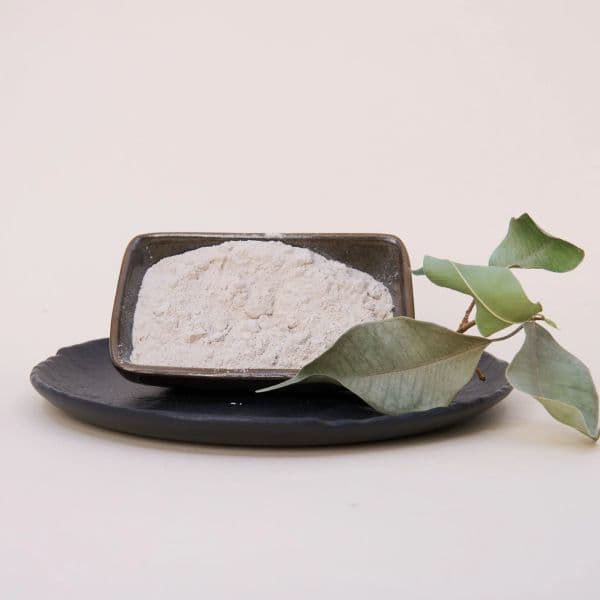
Powder surfactants are dry, fine powders. They are usually used in products that require a dry form, such as solid soap bars (syndet bars) or cleansing powders. They are handy in products that keep for a long time without preservatives.
To work with powder surfactants it is important to follow the safety measures properly. Wear a mask and take care not to inhale these ingredients, as they can irritate the airways.
Often used in: making mild baby soap or face bars
These are liquid substances, often thick and viscous, that mix easily with other liquids.
They are mainly used in liquid products such as shampoos, shower gels and liquid soaps.
They create a smooth consistency and are easy to work into large batches. In general they are easy to use and you can mix them straight away with other liquid ingredients.
Often used in: everyday care products such as shampoo and hand soap.

But… why do you sell SLSA then? SLS (Sodium Lauryl Sulfate) and SLSA look similar in name, but are very different. SLS is synthetic, whereas SLSA comes from natural sources such as coconut and palm oil. In addition, SLS is an aggressive foaming agent; it can strip the skin's natural oils and damages the skin's barrier function, allowing other ingredients to dry out and irritate the skin. SLSA is a mild cleansing agent that is suitable even for the most sensitive skin. It is also an environmentally friendly alternative.
Apart from the name, the two ingredients have nothing in common!

Coco Glucoside: This is a mild, non-ionic surfactant that is often used in bath products and shower gels. It is derived from coconut oil and glucose, making it a gentle choice for sensitive skin.
Cocamidopropyl betaine is gentle on the skin and is mainly used in care products such as a face wash, micellar water, a shower gel or shampoo.
Decyl Glucoside is a surfactant you can use in homemade liquid soaps such as shower gels and shampoos. It is mild and gives a lovely small bubble.
Greenfoam liquid: it produces an abundant foam but does not dry out the skin, making it a perfect ingredient in DIY foaming bath products and shower gels.
Caprylyl Capryl Glucoside: Caprylyl Capryl Glucoside creates a lovely foam and is ideal for making bath and shower products. Caprylyl Capryl Glucoside has a lower pH (5.5-6) than other liquid surfactants and is therefore also suitable for products for the intimate area.
Cocofoam SCI (Sodium Cocoyl Isethionate). SCI powder cleanses and creates a rich, creamy foam with large bubbles. It is a mild surfactant that is particularly suitable for making syndet bars. It is a solid surfactant that creates a creamy foam and feels gentle on the skin.
Greenfoam powder: creates a creamy foam in your products. Ideal for making, for example, soap, bath bombs, laundry and washing-up detergent. Anything where you want your product to foam nicely.
SLSA (Sodium Lauryl Sulfoacetate): This is a milder variant of the better-known SLS (Sodium Lauryl Sulfate). SLSA is used in products that need to produce a lot of foam, such as bath products and bath bombs, without drying out the skin.

Not all surfactants are suitable for the sensitive skin of babies. Choose mild, non-ionic or amphoteric surfactants that are specially developed for sensitive skin, such as Coco Glucoside or Decyl Glucoside or Cocamidopropyl Betaine. These ingredients are very suitable for sensitive baby skin. Avoid strong anionic surfactants such as SLS in baby products.

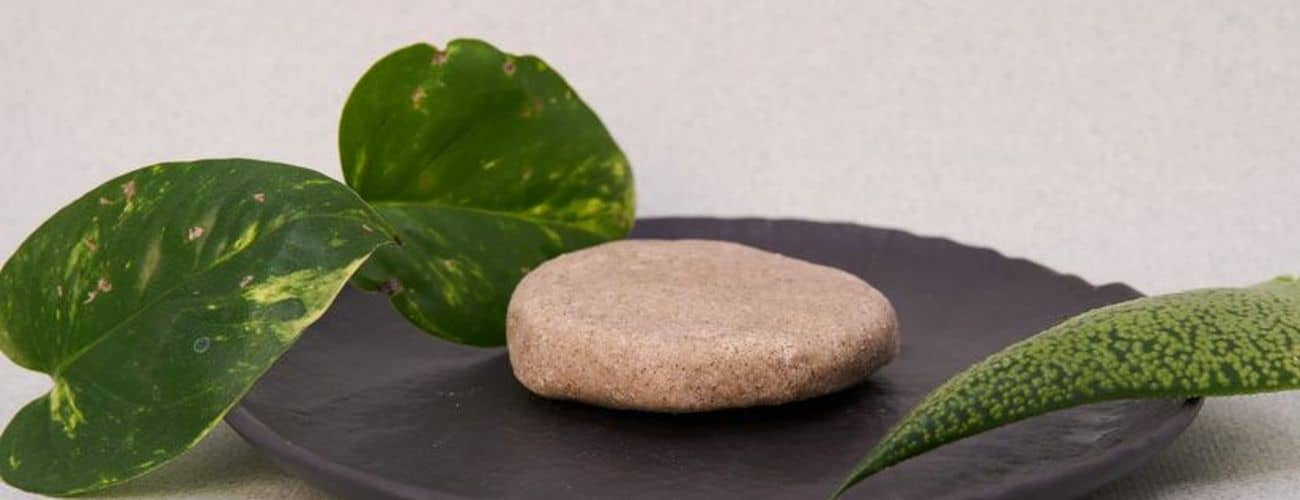
A foaming scrub like this recipe is a minimalist option, because it has 3-in-1 properties! It cleanses, detoxifies and exfoliates the skin thanks to the mild Cocofoam SCI, White clay and Maca. Add your favourite essential oil to lift your mood!
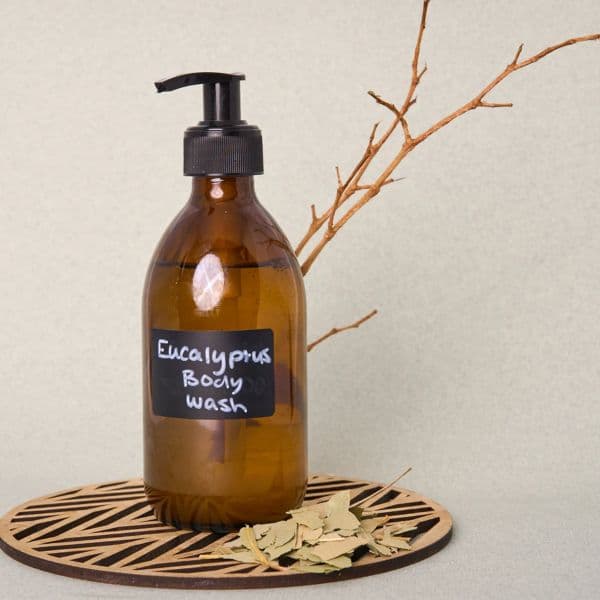
Stay clean and fresh with this easy-to-make Eucalyptus Body Wash! Peppermint Hydrosol soothes the skin and helps reduce inflammation, and Eucalyptus Essential Oil gives a refreshing and uplifting scent and transforms your bathroom into a little wellness paradise.


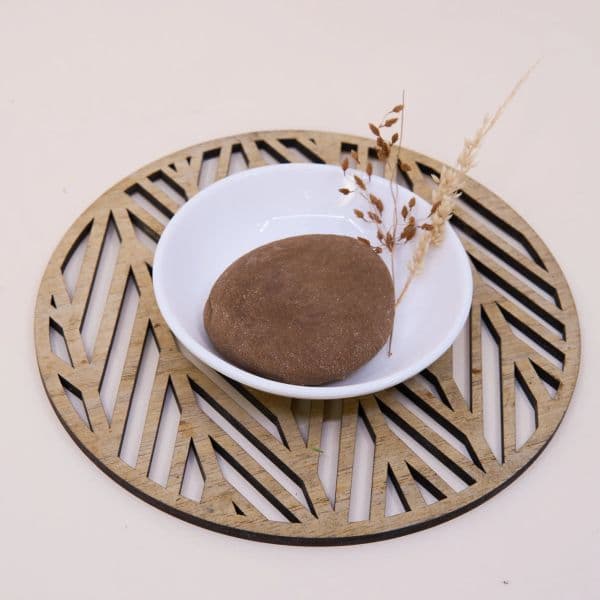
Making your own facial soap isn't as difficult as you think! This soap is suitable for all skin types, helps remove dirt, but doesn't leave the skin tight and dry thanks to the hydrating properties of Oat powder. In addition, Cocoa powder and Sweet Almond Oil help soothe dry and red skin. This soap is lovely without fragrance but can be personalised with your favourite essential oils.