Ready-made products for your natural routine..
Do you want to stay updated on offers, (giveaway) actions and recommendations? This way you won't miss out on anything! Not too often, we promise.


Castor oil is known as an eyelash and hair serum, but it is also indispensable for the skin. Thanks to its cleansing action it is ideal as a cleansing oil. In this blog you can read all about Castor oil.
What is Castor oil?
Where does Castor oil come from?
How is Castor oil made?
Why is Castor oil special?
What can you use Castor oil for?
How do you use Castor oil for your hair, eyelashes & eyebrows?
How do you use Castor oil for your skin?
What does Castor oil look like?
How can you best store Castor oil?
Where can you buy Castor oil?
What is Castor oil?
Castor oil, also known as wonder oil, was widely used by the Egyptians and the ancient Greeks because of its unique composition. Castor oil is 100% plant-based and is made from the fruit of the castor oil plant: Ricinus Communis. The oil is extracted by pressing these so-called wonder beans and consists of about 90% ricinoleic acid.
Castor oil was widely used in the past because it has many medicinal applications. This oil has anti-inflammatory properties, which makes it exceptionally effective for inflammation and relieves pain. Nowadays, this wonder oil is used for an enormous number of cosmetic purposes. Castor oil is known for making your hair fuller and your skin feel more even.
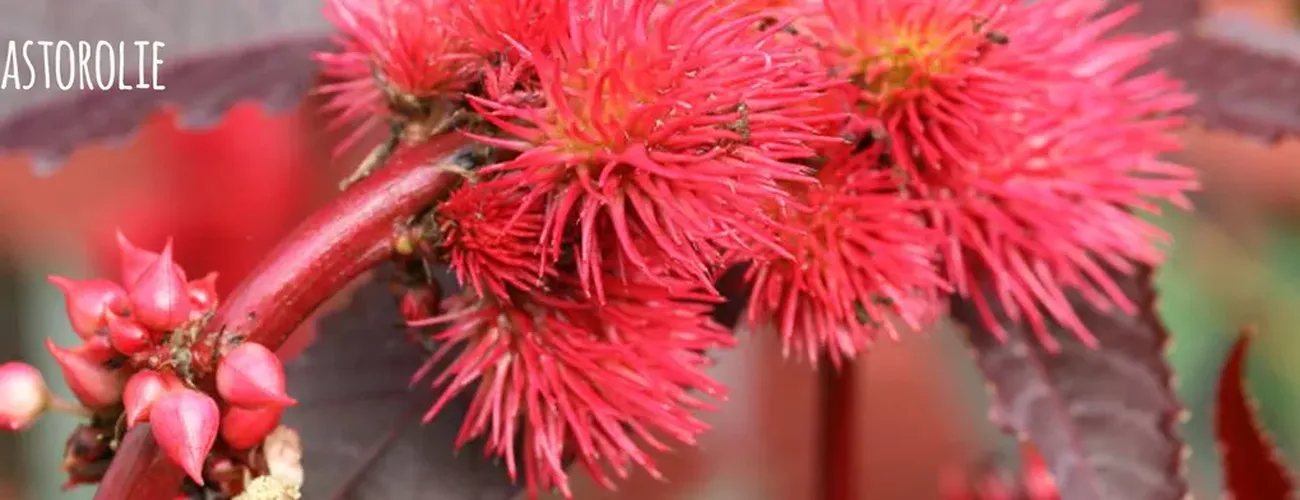
Castor oil is extracted from the fruit of the Ricinus Communis. This is a plant with red fruits that grows incredibly fast. The tree originally comes from India, East Africa and the south-eastern region of the Mediterranean. During the times of the slave trade, the Ricinus Communis ended up in the Caribbean, which is why these plants now grow there in abundance.
There are two main types of Castor oil: Jamaican and cold-pressed Castor oil. Both oils are made from the Ricinus seed derived from the Ricinus Communis, but because of the different processing techniques the oils differ in colour and texture.
With cold-pressed Castor oil, the seeds are pressed so hard that the oil drips out of the seeds. This oil is light yellowish, clear and viscous.
Jamaican Castor oil, on the other hand, is black. This is because the Ricinus seeds are roasted or burned. After roasting, the seeds are boiled in a large pan and pureed in the traditional Caribbean way. The oil made from this therefore contains ash from the roasting, which makes Jamaican Castor oil thicker and darker in colour than cold-pressed Castor oil.
Castor oil is not called wonder oil for nothing. This oil consists of about 90% ricinoleic acid. This is an unsaturated omega-9 fatty acid that helps with impurities and softening the (scalp) skin, for example. Ricinoleic acid nourishes the hair, the hair follicle and the surrounding skin. This is one of the reasons why Castor oil promotes the growth of your hair.
In addition to omega-9, Castor oil also contains a lot of omega-3 and omega-6 fatty acids which, among other things, play an essential role in hydrating and keeping the hair and skin supple.
The vitamin E in Castor oil also ensures a particularly effective action. Vitamin E is an important nutrient for both your hair and skin. Among other things, this vitamin keeps your skin young and cares for the hair.
Castor oil is mainly known for the fact that it makes hair thicker and healthier. For this reason it is often used as a hair mask, eyelash and eyebrow serum. Castor oil is also very suitable for caring for a beard or moustache. With Castor oil you can, for example, nourish the thinner spots in your beard so that you get an even beard.
Given that the ricinoleic acid in Castor oil is so good for the skin, this oil is also widely used to nourish and soften the skin. Moreover, Castor oil stimulates the blood circulation of your skin and muscles, which makes it ideal to use as a massage oil after exercising.
In the paragraphs below we go into more detail about the effect of Castor oil on the hair and skin.
The ricinoleic acid in Castor oil ensures that dry and frizzy hair shines again and feels healthier. This is because the fatty acids in the oil nourish the hair deep at the root. As a result, your hair (or beard) feels fuller. You only need to massage Castor oil into the scalp a few times a week. Apply a little oil to your hands and distribute it through slightly damp hair and over your scalp. Leave it on for a few hours and then wash your hair with your usual shampoo. Because Castor oil is rather thick, it can sometimes be difficult to wash out of your hair. It is therefore advisable to dilute the oil with another oil such as almond or coconut oil.
In addition, the acids in Castor oil help to repair split ends. This is because the oil repairs and strengthens damaged hair fibres. Hair fibres damaged by too much dyeing, blow-drying and straightening/curling your hair are also well cared for in this way.
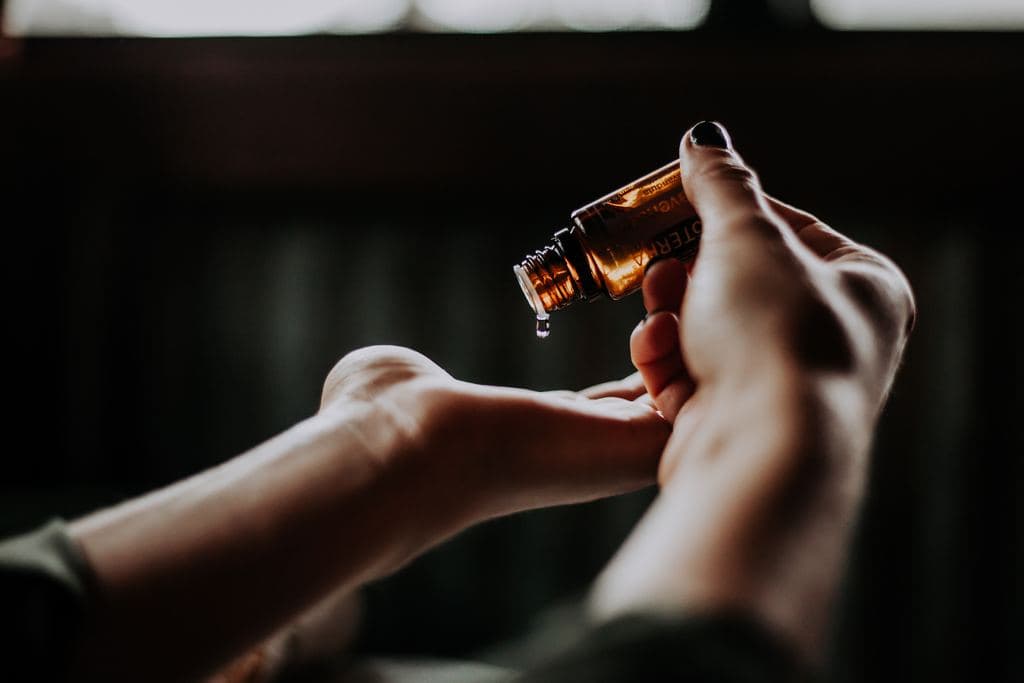
To use the oil for fuller eyelashes and eyebrows, put a little oil on an old mascara brush or cotton bud and distribute the oil over the little hairs before you go to sleep.
Tip: place an old towel on your bed, because (especially Jamaican) Castor oil can leave stains.
Castor oil is known for its nourishing and cleansing action. This is because Castor oil can penetrate deep into the skin. This is one of the reasons why the oil is suitable for people with dry skin or for combating signs of skin ageing. The vitamin E in Castor oil certainly does its bit to combat fine lines. Moreover, the hydrating action of the oil also ensures that the skin feels fresh, young and even.
Castor oil has a cleansing action, which makes it perfectly suitable for removing impurities from the skin or make-up. The ricinoleic acid in Castor oil also helps with pimples and blackheads. It softens the skin and prevents the formation of small scars.
It is best to apply Castor oil after cleansing your skin or showering. Apply the oil every evening before you go to sleep to the desired areas so that it can absorb well. The oil can sometimes feel thick and greasy, so it is wise not to apply it several times a day. After all, your skin can only absorb a certain amount of oil at a time.
Tip: place an old towel on your bed, because (especially Jamaican) Castor oil can leave stains.
Castor oil can have a yellowish to black colour depending on the way it is made. For example, the roasted Jamaican Castor oil is dark in colour and thickish, while cold-pressed Castor oil has a pale, golden-yellow colour. Cold-pressed Castor oil has a lightly spicy scent. Jamaican Castor oil is generally slightly stronger in scent, which you may need to get used to for a moment.
It is best to store Castor oil in its original airtight packaging in a dark and cool place. If you store the oil in this way, it is generally shelf-stable for a year.