Maybe it's happened to you: you bought the same butter or oil twice, and the two didn't quite match. One time the butter was hard, and the next time it was soft. It's not strange for butters and oils to vary in consistency, colour and scent from batch to batch, but of course you want to know why!
Why do oils & butters vary from batch to batch?
Unlike synthetic products, natural products depend on nature and everything that comes with it. There are a huge number of factors that can affect the growth of a plant from which we eventually make an oil or butter.
Think of different climates and good and bad seasons. The amount of rain and sun also affects how a plant develops. Maybe the temperature fluctuated, or it was a lot warmer than usual, so the plant grew faster. Maybe the plant was harvested earlier than usual, or the plants had to share their field with other plants.
It's actually not hard to imagine why the plants we make oils and butters from can differ from one another. These differences also show in the colour and consistency of the final product. The beautiful red colour of rosehip oil, for example, can vary noticeably depending on the season. The inner properties of the oil are the same, but its outward characteristics can differ.
Maybe you've also noticed the difference between organic and non-organic versions of products. Depending on the process used to make the oil or butter, a product can look different and sometimes even smell different.
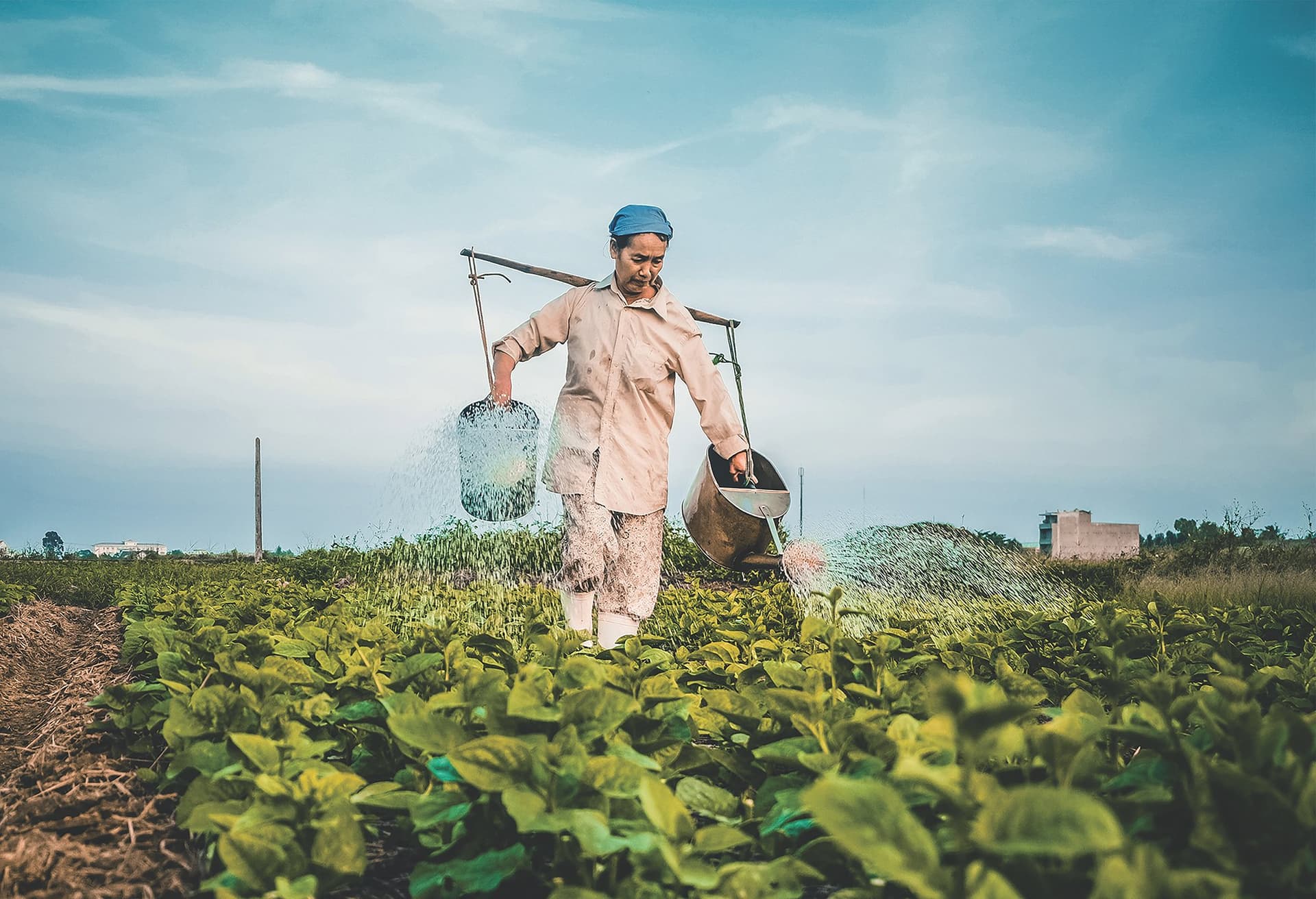
For example, does a plant grow on land where organic fertiliser is used? And are the plants tended by hand, or do big machines drive across the fields, leaving exhaust fumes hanging in the air? All these (organic) factors also play a role in how the product ends up looking.

 You can unsubscribe at any time.