Ready-made products for your natural routine..
Do you want to stay updated on offers, (giveaway) actions and recommendations? This way you won't miss out on anything! Not too often, we promise.


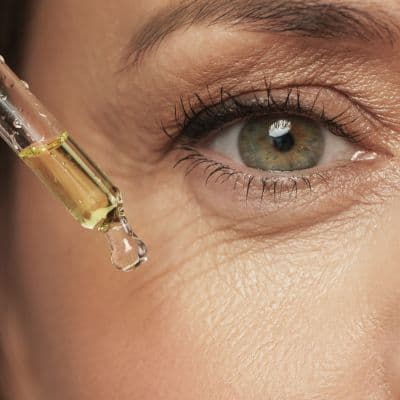
An oil serum is a blend of plant oils (sometimes with a few drops of essential oil or other active ingredients) that nourishes, feeds and protects your skin. It contains no water, which is why it often feels rich and concentrated. You usually apply it after cleansing your face, often instead of or before a cream. A few drops are all you need.
Oil serums are packed with beneficial substances such as antioxidants, fatty acids and vitamins (such as vitamin E). These help your skin to repair and soften itself, and protect it against dehydration or harmful external influences.
For dry skin, an oil serum helps to retain moisture better. Do you have oily or troubled skin instead? Then some light oils can balance sebum production without clogging the pores. For sensitive skin there are soothing oils that calm redness and irritation.

Oil serums are full of natural fatty acids, antioxidants and vitamins, and as a result they provide:
Hydration: Especially for dry skin types, an oil serum provides long-lasting hydration.
Repair: Promotes cell renewal and repairs the skin
Anti-ageing: Rich in antioxidants that counteract skin ageing.
Protection: Protects against external influences such as air pollution and weather conditions.
In addition, they are suitable for every skin type.
Dry skin: nourishing and soothing.
Oily skin: certain light oils regulate sebum production.
Sensitive skin: calming oils soothe redness and irritation.
Mature skin: stimulates elasticity and gives a natural glow.
What is the difference between light and heavy oils?
The terms light and heavy refer to the texture, absorption speed and skin feel of an oil. It has nothing to do with their actual weight, but everything to do with their molecular structure, fatty-acid profile and viscosity.

Fatty acids
Fatty acids are the building blocks of plant oils. The ratio between linoleic acid and oleic acid determines the texture of the oil:
Linoleic acid (omega 6): thinner, less comedogenic, ideal for oily skin
Oleic acid (omega 9): richer, more nourishing, better for dry skin
Molecule size
Light oils have small molecules: these pass through the skin barrier more quickly
Heavy oils have large molecules: they remain on the skin's surface
Grapeseed oil (±70% linoleic acid, ±15% oleic acid)
Hemp seed oil (±55% linoleic acid, ±15% oleic acid)
Rosehip oil: (±50% linoleic acid and ±20% oleic acid)
Prickly pear oil (±65% linoleic acid, ±20% oleic acid)
Evening primrose oil (±70% linoleic acid, ±10% oleic acid)
Black cumin seed oil (±50% linoleic acid, ±20% oleic acid)
Jojoba oil (±<5% linoleic acid, ±10% oleic acid)
Safflower oil (±75% linoleic acid, ±10% oleic acid)
Strawberry seed oil (±50% linoleic acid, ±15% oleic acid)
Raspberry seed oil (±50% linoleic acid, ±15% oleic acid)
Pumpkin seed oil (±50% linoleic acid, ±25% oleic acid)
Squalane (0% fatty acid, but a saturated hydrocarbon)
Sweet almond oil (±25% linoleic acid, ±65% oleic acid)
Apricot kernel oil (±30% linoleic acid, ±60% oleic acid)
Sesame oil (±45% linoleic acid, ±40% oleic acid, )
Baobab oil (±35% linoleic acid, ±35% oleic acid)
Tamanu oil (±30% linoleic acid, ±40% oleic acid)
Avocado oil: (±10% linoleic acid, ±65% oleic acid)
Olive oil (±70-75% oleic acid, ±10% linoleic acid)
Castor oil (±5% linoleic acid, ±5% oleic acid (viscous due to ±85% ricinoleic acid)
Coconut oil (±1% linoleic acid, ±5% oleic acid, ±40% lauric acid (can be comedogenic for skin with impurities)
Neem oil (±15% linoleic acid, ±50% oleic acid)
Moringa oil (±1% linoleic acid, ±65% oleic acid)
Wheat germ oil (±50% linoleic acid, ±15% oleic acid, ±20% palmitic acid (lovely for mature skin)
Macadamia oil (±55% oleic acid, ±15% palmitoleic acid)
Determine your skin type: Not every oil is suitable for every skin type. The right choice depends on the texture of the oil, the fatty-acid profile and the needs of your skin.
Do you have oily skin? It needs a light, non-comedogenic oil that regulates sebum production and does not clog the pores.
If you have oily skin, it is best to choose (a combination of) light oils.
Recommended oils: Grapeseed oil, Hemp seed oil, Rosehip oil, Evening primrose oil, Jojoba oil, Safflower oil, Squalane
Do you have dry skin? It needs rich, nourishing oils that retain moisture and repair the skin barrier.
For dry skin it is best to choose (a combination of) heavy oils.
Recommended oils: Avocado oil, Baobab oil, Moringa oil and Tamanu oil as a base, topped up with lighter oils.

You don't need much to make an oil serum.
Glass dropper bottles (dark glass to prevent oxidation)
Base oil (a light base oil for oily skin, a medium/heavy base oil for dry skin) and other carrier oils
Active ingredients or essential oil (optional)
Mini funnel
Precision scale
Mixing bowl and spoon
1. Choose your base oil
2. Choose the additional oils
3. Optional: choose an essential oil or extract based on your skin type
4.Measure out the oils in a clean mixing bowl.
5. Add the essential oils/extracts.
6. Add vitamin E to counteract oxidation.
7. Mix thoroughly with a clean stirring stick.
8.Pour the mixture into the dropper bottle using a funnel.
9. Label the bottle with the date and the oils.
10. Use in the evening after cleansing and toner
A base oil makes up the largest part of your serum (usually ±70–95%). They are gentle, easily absorbed and largely determine the skin feel and effect of your product.
For example, for oily skin: Grapeseed oil, Jojoba oil or Hemp seed oil
For example, for dry skin: Avocado oil, Macadamia oil and Baobab oil
For example, for mature skin: Argan oil, Avocado oil, Moringa oil
You add additional oils in smaller amounts (5–30%) because of their special properties. Think of oils with plenty of antioxidants, vitamins or regenerating properties (such as rosehip oil or prickly pear oil).
For example, for oily skin: Rosehip oil, Evening primrose oil, Black cumin seed oil, Tamanu oil (a medium oil, add a small percentage)
For example, for dry skin: Moringa seed oil, Sea buckthorn oil, Castor oil (lightly occlusive, attracts moisture).
For example, for mature skin: Prickly pear oil, Rosehip oil, Sea buckthorn oil
Of course, it is also wise to pay attention to the scent and colour of oils. Tamanu oil and Avocado oil, for example, both have a fairly strong scent. If you mix these together and add few other oils, your oil serum will start to smell. Sea buckthorn oil and Rosehip oil are orange in colour. If you add a lot of these, your serum will turn orange too! It is also best not to add too much Blue Tansy or vitamin E because of the colour.
Want to give your oil serum that little bit extra? Then add an essential oil or a powerful CO₂ extract. These pure, concentrated plant substances give your serum an active effect as well as a lovely scent.
Please note: a little goes a long way! Use no more than 1% (that is 1g per 100g).
Oily skin
For oily skin (possibly with spots) you choose sebum-regulating plant extracts:
Tea Tree essential oil: powerfully antibacterial, ideal for spots
Lavender essential oil: soothes redness and helps to fade scars
Geranium essential oil: balances the skin and regulates sebum
Rosemary essential oil: purifies and stimulates cell renewal
Sea buckthorn CO₂ extract: rich in antioxidants, supports repair
Rosemary CO₂ extract: works powerfully against impurities
Dry skin
Dry skin needs extracts that repair the skin barrier, retain moisture, calm the skin and stimulate cell renewal.
Sandalwood: soothes, hydrates and makes the skin supple
Myrrh: nourishing and caring
Lavender: calms, soothes itching and repairs the skin barrier
Geranium: Balances moisture and sebum production
Tips for sensitive skin: Calendula CO2 extract, Chamomile essential oil.
Do you have mature skin? Then Frankincense essential oil or Carrot seed essential oil, along with the Pro-age extract, are very suitable!

Feels silky and not greasy.
Has a subtle natural scent, depending on the chosen essential oil.
Absorbs well within 1-2 minutes.
Leaves the skin feeling soft and supple.
To safeguard the effectiveness and shelf life of your oil serum, a few simple storage tips are important:
Use a dark glass bottle, preferably amber or blue, to protect the oil from UV light.
Store the serum in a cool, dry place – avoid exposure to sunlight or heat sources.
Pay attention to the shelf life of your oils: base oils usually keep for 6 to 12 months, and essential oils even longer if they are properly sealed. Adding vitamin E extends the shelf life of an oil.
Use a dropper bottle to prevent contamination with bacteria.
Vitamin E, also known as tocopherol, is a powerful antioxidant that is widely used in natural cosmetics to slow down the oxidation of oils. Oils, particularly those rich in polyunsaturated fatty acids (such as rosehip oil), are prone to oxidation, a process in which they turn rancid under the influence of oxygen, light and heat. This not only shortens the shelf life but can also have a negative effect on the scent and efficacy. By adding a small percentage of vitamin E (around 0.5%) to an oil blend or product, the oxidation process is slowed down.
Vitamin E Oil Tocopherol
The Vitamin E Oil Tocopherol consists of 70% tocopherol (d-alpha tocopherol) and is extracted from sunflower oil and then diluted with 30% sunflower oil to make it more fluid. Add 0.5% vitamin E to your DIY serum.
Vitamin E Oil Full Spectrum
Our Vitamin E Oil Full Spectrum consists of 50% tocopherol and tocotrienol. This Vitamin E Oil contains the eight main natural forms of vitamin E: alpha-tocopherol, alpha-tocotrienol, beta-tocopherol, beta-tocotrienol, gamma-tocopherol, gamma-tocotrienol, delta-tocopherol, and delta-tocotrienol). This Vitamin E oil is extracted from palm kernel oil and diluted with 50% palm kernel oil. This palm oil is sustainably produced in Malaysia. The Vitamin E Full Spectrum contains a richer spectrum of vitamin E and is therefore of better quality and more highly concentrated. You will also notice this in the price and in the thickness and colour of the product. This form of vitamin E is, however, considerably more viscous and darker in colour. This makes it somewhat harder to work into DIY products. Vitamin E Tocopherol is a little more fluid and lighter in colour. This is a fine choice if you are only going to use it as an antioxidant.

Using an oil serum is simple and effective. Follow these steps for the best result:
Cleanse your face thoroughly with a mild cleanser.
Use a toner or hydrosol to lightly dampen the skin (oils seal in moisture).
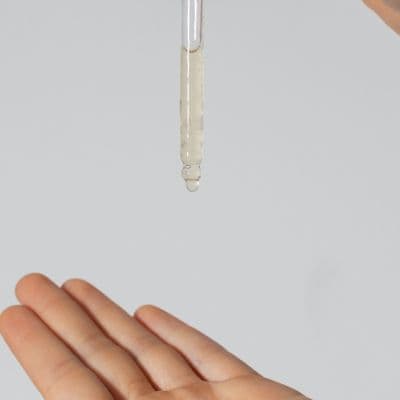
Apply 2-3 drops of oil serum into your palms, warm it briefly, and gently press it into the skin.
Afterwards you can use a cream if you wish, but with a good serum that is often not necessary.
Frequency: once or twice a day, depending on your skin's needs.
Not measuring. Measure out the ingredients and note down the amounts. Once you have found ratios you like, it would be a shame not to remember afterwards how much of which oil was in the serum!
Using too much essential oil: this can irritate the skin. Always measure essential oils carefully.
Not taking your skin type into account: the wrong oil can cause spots or dryness.
Using poor-quality oils; bad or oxidised oils provide no benefits.
Making too large a batch; start with one bottle to test.
Adding too much of a particular oil, such as Tamanu oil (the serum will smell) or Sea buckthorn oil (the serum turns orange).
Not doing a patch test: always test first on a small area of skin (e.g. the inside of the wrist), especially when working with essential oils and extracts.
1. What is the difference between a serum and an oil?
A serum is often water-based and penetrates quickly. An oil seals in moisture and nourishes.
2. Can I use an oil serum every day?
Yes, daily use is safe provided it is well matched to your skin type.
3. Can I use an oil serum under make-up?
Yes, apply it sparingly and let it absorb well before applying your make-up.
4. Should I store it in the fridge?
Not necessary, but you can. Above all, make sure you keep it dark and cool.
5. May I combine different oils?
Absolutely! That is exactly the strength of an oil serum – you create a bespoke blend.
Written by: Helena
| Lichte oliën | Medium oliën | Zware oliën | |
|---|---|---|---|
| Absorptiesnelheid | Snel | Medium | Langzaam |
| Huidgevoel | Voelt niet vet, laat geen vettig laagje achter | Voelt medium vet | Voelt voedend / kan een vettig laagje achterlaten |
| Huidtype | Vette huid | droge/ normale huid | Droge huid |
| Vetzuren | Meer linolzuur (omega 6) | Combinatie van linolzuur en oliezuur | Meer oliezuur (omega 9) |