New: No BS Deo stick, up to 40% off Shop now
Do you want to stay updated on offers, (giveaway) actions and recommendations? This way you won't miss out on anything! Not too often, we promise.


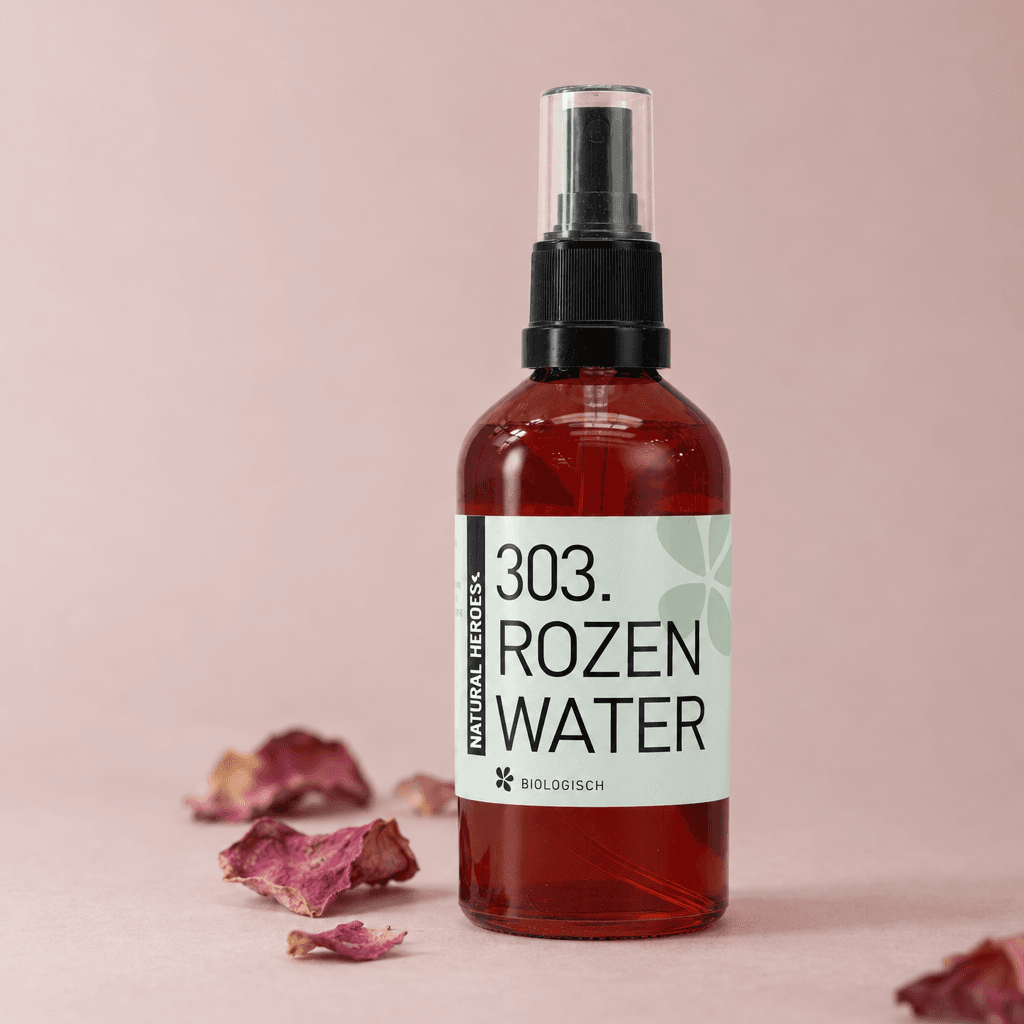
It started with an email. A customer had added Greenservative to her gel of rose water and xanthan gum, and something went wrong: the preservative would not dissolve, and the gel developed a strange smell.
She thought she had got the dosage or the method wrong. That was not the case. She was simply using the right ingredient in the wrong context. I love this kind of question, because it is a classic moment of recipe versus formula. Once you understand why a preservative behaves differently in a cream than in a water gel, you stop guessing and really start formulating.
Preservatives are not universal. Each one is designed for a specific phase. Greenservative is intended for emulsions: creams and lotions that contain both an oil phase and a water phase. There it distributes well and does its job.
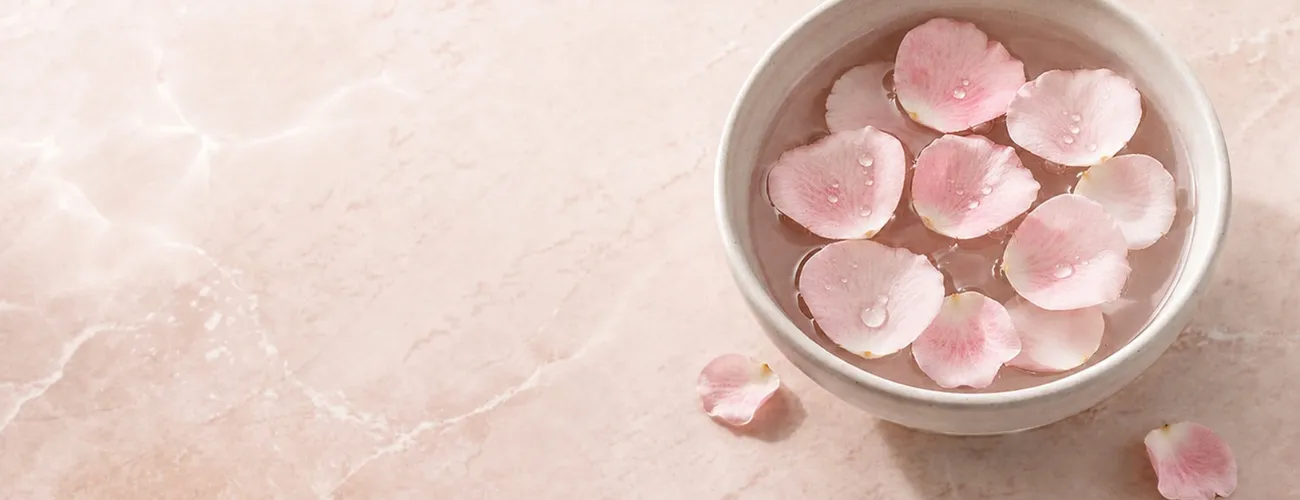
If you add the same preservative to a product with only water, such as rose water thickened with xanthan gum, there is no oil phase to help it mix. It does not fully dissolve in the water and simply sits there. This often creates concentrated spots that smell odd, while the rest of your product remains unprotected. The problem is not the quality of the preservative. It lies in the mismatch between how the preservative is intended to be used and how your formula is built.
And this is the core of it: microorganisms need water to grow. Your preservative must therefore be present and active in the water phase. If it does not dissolve there, it does not protect there either.


Next time you pick up a preservative, ask yourself one question: am I making an emulsion with oil and water, or a product on a water base?
An emulsion needs a preservative that works across the boundary between oil and water, or one made specifically for emulsions. A water-based product, from a simple flower water to an oil-free xanthan gel, needs a preservative that works in an environment of water alone.
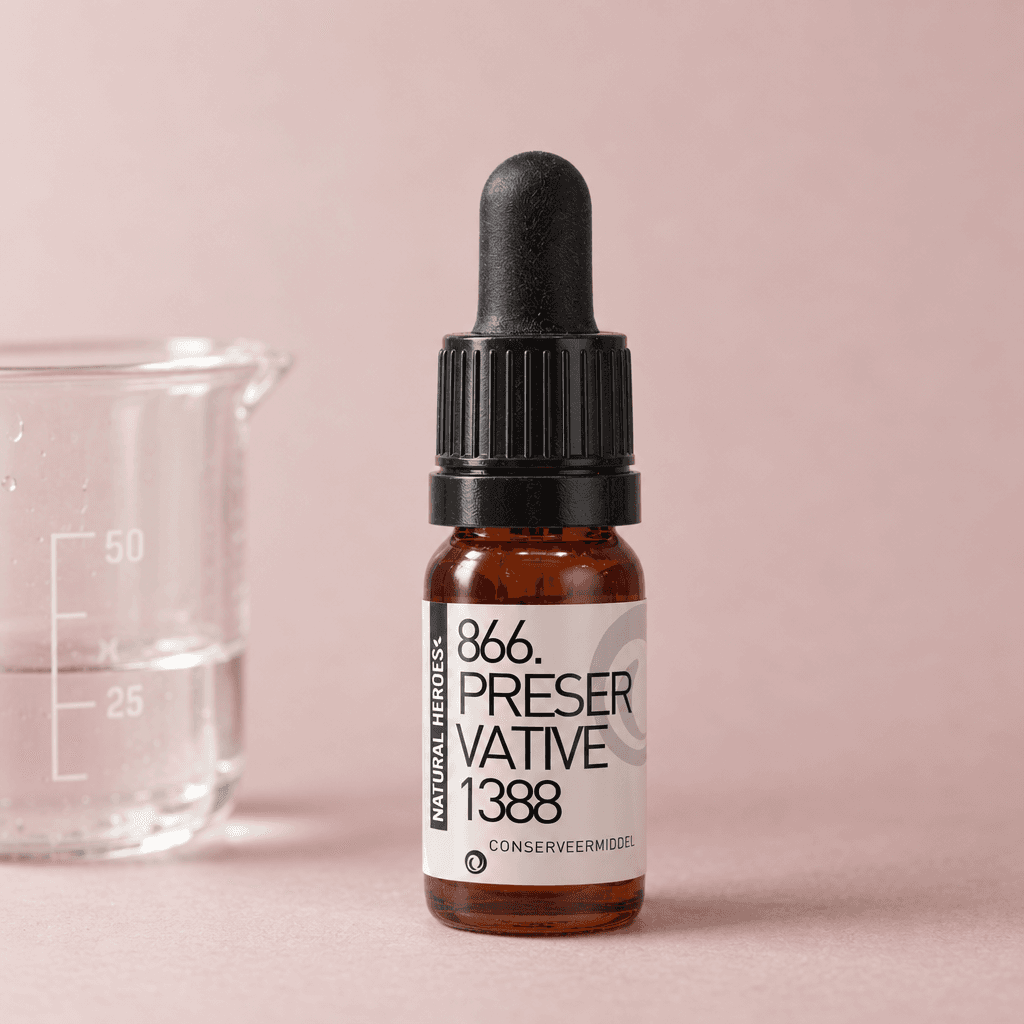
For that second group I choose Preservative Eco 1388 or Leucidal. They stay stable and active in a watery environment, which is why they blend neatly into a rose water gel instead of floating around undissolved.
The original error was not in the technique. It was a mix-up of categories, and that is exactly the difference between following a recipe and understanding a formula.
Thinking in recipes"I need a preservative, so I'll grab the natural one that's on my shelf."
Thinking in formulas"I need a preservative that dissolves and works in the phase system I'm building."
The rule is simple: if there is no oil in your formula, your preservative must work without oil.
Water-based formulas are among the simplest products you can make, but they deserve the same careful logic as a complex emulsion. Match your preservative to your phase system, and you go from hoping that your product stays stable to knowing that it stays stable.
Are you working on a water-based formula and unsure how to preserve it? Ask your question in the community. I am happy to puzzle it out with you.
With all my love,
Malou