New: No BS Deo stick, up to 40% off Shop now
Do you want to stay updated on offers, (giveaway) actions and recommendations? This way you won't miss out on anything! Not too often, we promise.


Forest bathing is a meditative way of walking. As they say in Japan: through nature, via Shinrin-yoku, you reconnect with yourself. It is about taking in the forest through our senses. Want to know more? Read here how you can experience Shirin-yoku for yourself!
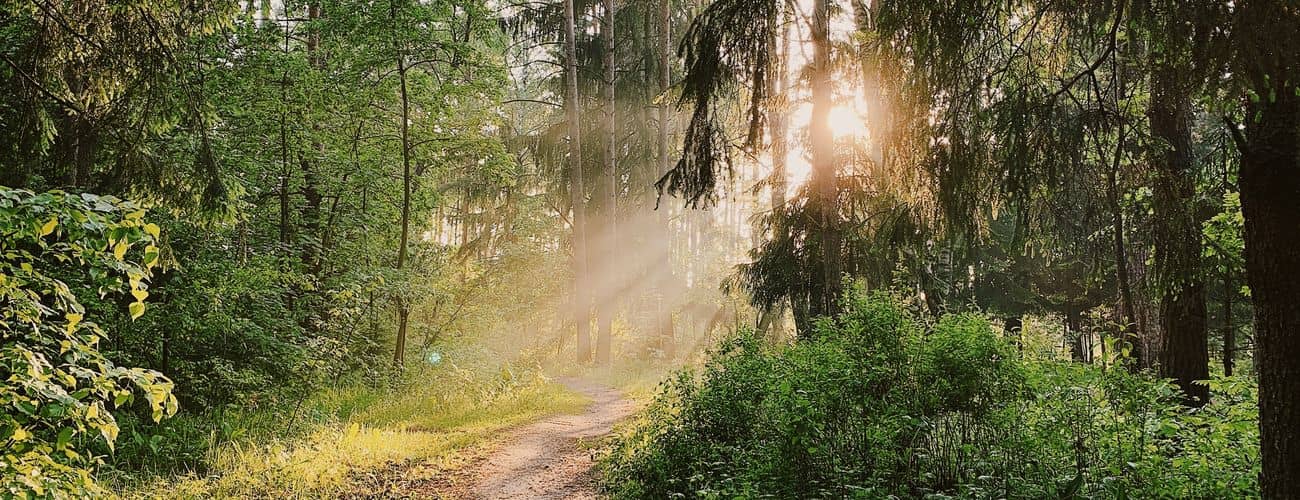
Rustling leaves, the scent of trees, a ray of sunshine shining through the leaves right onto your face. Pure happiness. For a moment your worries no longer seem so important, you relax, you can think clearly and you feel energetic. We have all experienced at some point that walking in the forest is good for you. In Japan they have known this for years. The road to a happier life leads through the forest. Shinrin-yoku is therefore a well-known Japanese concept. Literally translated, it means ‘forest bathing’ or bathing in the forest. Although I don’t think that translation describes the whole experience.
Forest bathing is a meditative way of walking. As they say in Japan: through nature, via Shinrin-yoku, you reconnect with yourself. It is about taking in the forest through our senses. Shirin Yoku means that you move very consciously through the forest, slowing down as you try to take everything in. In this way you figuratively take a forest bath. In doing so you use all your senses. Pay conscious attention to what you see, hear, smell, taste and feel.
Many people find forest bathing wonderfully relaxing. One of the reasons for this is the large quantity of phytoncides in the forest. These are natural essential oils that trees and plants release as a defence against insects, animals and micro-organisms. They serve as scent messages between plants, and every tree and plant has its own specific scent. By walking consciously in nature, your mood improves and you gain new energy. In addition, by activating all your senses, you connect better with your own nature.
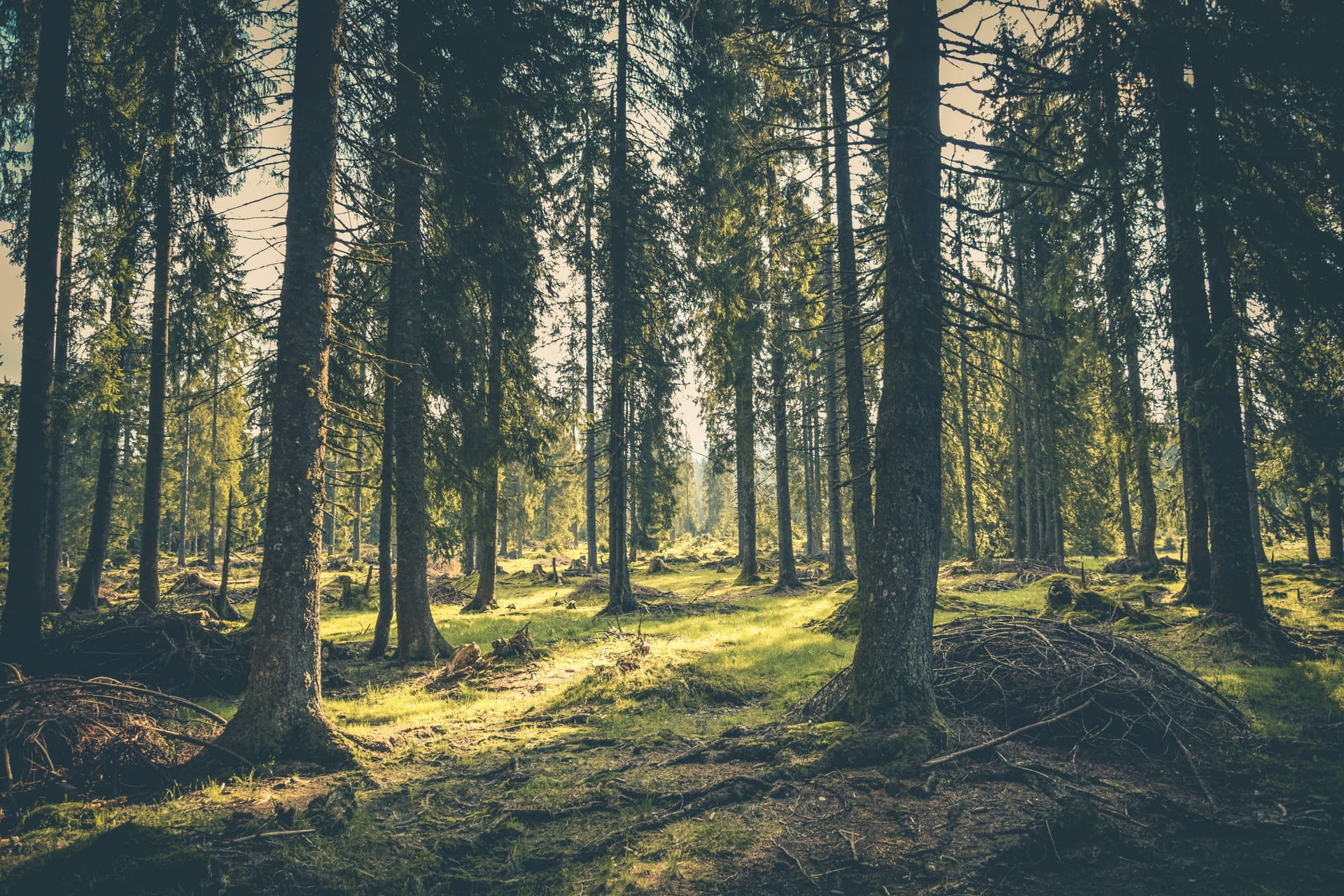
Evergreen trees such as pines, cedars, spruces and conifers are the largest producers of phytoncides. Top of the list is the Hinoki cypress (Chamaecyparis), a cypress commonly found in Japan. In a pine forest you will therefore find more phytoncides than in, for example, a beech forest.
Weather conditions can also have an influence. After a rain shower when it is around 30 degrees Celsius, you will find the highest concentration of phytoncides in the forest.
The rain pushes the phytoncides down, and as soon as the weather clears up, the phytoncides spread through the air. Breathe deeply and enjoy the fresh forest air!

But how can we apply Shinrin-yoku in daily life? The good news is that you don’t need a complete forest to be able to go forest bathing. A city park or even your back garden can be enough. The important thing is that you use all your senses to take in nature.
Breathe deeply, taste the fresh forest air. Smell the earthy scent of the trees. What catches your attention? Look at it closely. Listen to the sound of the birds. Feel the sunlight shining on your skin and the wind passing gently through your hair. Let your hand glide over the gnarled bark of a large tree, feel the different elements in nature. But above all, take your time and experience what Shirin-Yoku does for you!

No forest nearby, or no time for a forest walk right now? Bring the forest indoors!
Dr. Qing Li is an international expert in the field of forest bathing and has studied how pleasant time among the trees and plants can be. You can bring a little of that feeling into your home with houseplants or essential oils!
It is still important that you use all your senses and make it as real as possible. Grab a photo of a forest, see the trees, the nature. Feel the texture of wood. Listen to nature sounds and bring the scent of the forest into your home by using essential oils. Breathe in the scent and let yourself be carried away to the Japanese cypress forests or wonderful coniferous forests. Take a moment and experience your Shirin-Yoku at home!
For the ultimate Shirin-Yoku feeling, choose essential oils that are rich in limonene, alpha-pinene, beta-pinene or camphene. You will mainly find them in essential oils from conifers and cypresses. These contain phytoncides and smell wonderfully of the forest. Think of Cypress, Scots Pine, Silver Fir and in particular the Hinoki Cypress.
The Hinoki cypress
The Hinoki may be one of the lesser-known oils, but it is certainly appreciated! The woody scent with a hint of citrus is undoubtedly one of our favourites. The Hinoki cypress is the most important tree species in the scientific research into Shirin-Yoku. With Hinoki essential oil, you bring the Japanese cypress into your home.
Get outside, head to the forest a little more often and create your own forest bathing experience at home. Open your senses and experience Shinrin-Yoku for yourself.
Written by: Helena Laarman