New: No BS Deo stick, up to 40% off Shop now
Do you want to stay updated on offers, (giveaway) actions and recommendations? This way you won't miss out on anything! Not too often, we promise.


Traditionally, African black soap is produced in various parts of West Africa, especially Ghana and Togo.
African black soap is an all-rounder and can be used on your whole body.
The soap cares for blemish-prone skin as well as dry and rough skin, and is lovely for mature skin.
Read on and discover all the secrets of this wonderful soap!
African black soap has been around for centuries, and like most soaps it's a mixture of fats and ash. But unlike other handmade soaps, this stuff doesn't need lye, or, as it's better (or worse..) known: caustic soda.
The absence of lye makes African black soap a lot gentler on your skin, and it feels almost clay-like when wet, with a grainy, uneven surface.
By the way, real African black soap is never completely black, and if you see soap that is, it's probably not the real deal. Genuine African black soap ranges from brown or beige to grey.


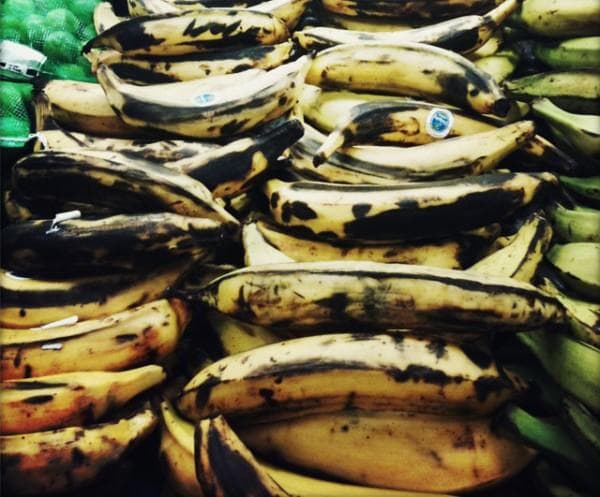
This distinctive colour and texture comes from the way the soap is made, which starts with plantains, a sturdier version of the banana. Plantains are rich in essential nutrients and oils, especially vitamins A and E, which are good for your skin.
First, the plantain skins are dried in the sun, and the dried, ground skins are then roasted in a clay oven.
From this base, various recipes can be made, which may contain cocoa pods, shea tree bark or ordinary banana leaves.
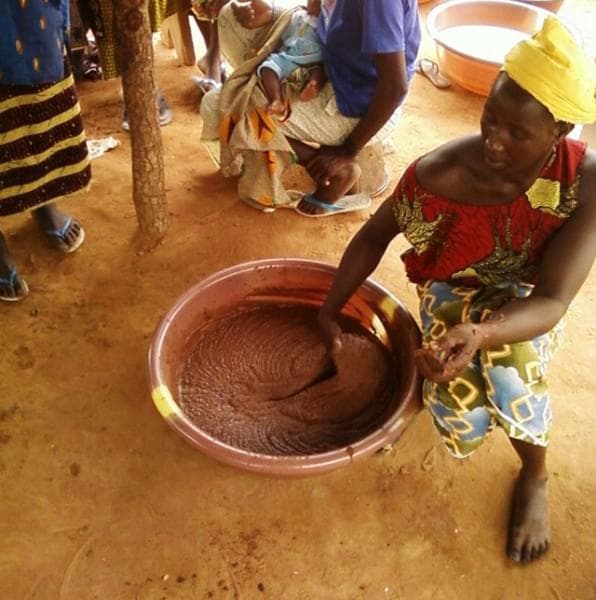
Normally, water and a combination of palm kernel oil, coconut oil and shea butter are added and stirred for at least a whole day. The mixture is filtered and set aside to harden, eventually setting into a black soap.
Although these basic principles of making African black soap are generally known, specific recipes vary depending on who makes it, with more than a hundred different formulas identified!
Traditionally, the recipes are closely guarded and patented. As a result, there are huge differences in size, shape and colour, sometimes even from the same supplier, as you'll notice when you go shopping for African black soap.
But watch out: African black soaps sold on the regular market often contain only a small percentage of pure black soap, with additives that undermine the natural, organic properties of the original recipe.
Many products derived from African black soap, such as liquid black soap and shampoos, probably also contain only a fraction of pure black soap. Many European and American companies also add black colourants to deepen the colour (which, once again, only shows that it's fake).
Luckily for the soapmakers among us, the best thing about the African black soap formula is that it contains no lye, a caustic substance that burns your skin and can blind you.
That's why this soap is a great first step for anyone who wants to make their own soap. Although a traditional recipe for genuine African black soap is hard to come by, thanks to (duh) The Internet, it's possible to put together a fairly accurate version. We'll help you take the first step. Get soaping!
If crafting isn't really your thing, you can always buy our African black soap here ready-made.
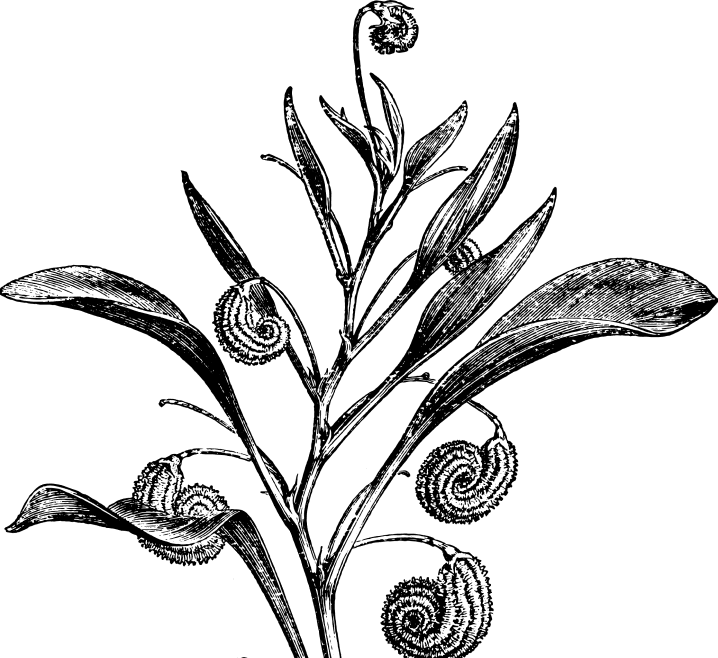
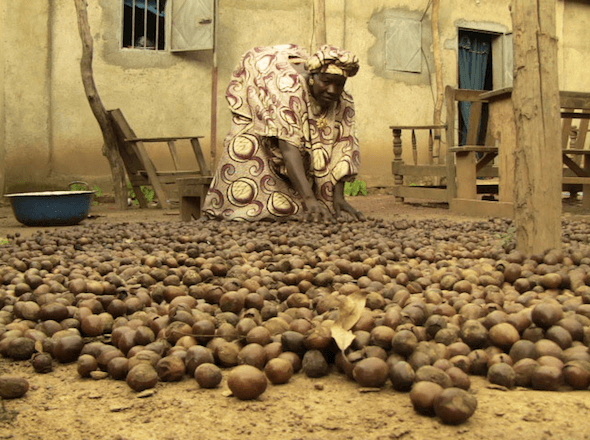
Cocoa bean pods
Plantain skins
Palm kernel oil (fairtrade)
Shea butter
1) Remove the cocoa beans from the pods and roast them over a low flame until they turn to ash.
2) Burn the plantain skins to ash as well.
3) Mix all the ash together and add water.
4) Put the palm oil in a double boiler (bain-marie) and let it melt.
5) Add the ash and shea butter to the mixture.
6) Cook over a low heat, stirring until the mixture is smooth.
7) If all goes well, the soap will start to set and float to the top of the liquid. Use a spoon to scoop it out.
8) Place the soap mixture in a mould of your choice.
9) Allow two weeks for the soap to harden before use.
10) Take a bath and enjoy your homemade black soap!
Author: Hannah van der Horst