If you've ever been to a hammam (Turkish bath), you've probably heard of it already: ghassoul.
This is a volcanic clay from the Atlas Mountains in Morocco and is also known as rhassoul or red Moroccan clay. These days you'll also come across ghassoul in Dutch sauna complexes, but it can be much more fun to get started with ghassoul at home too.
There's a good reason Moroccan women have been using ghassoul since the 8th century to wash and care for their face, body and hair.
The clay has a purifying effect and makes sure that dirt and excess sebum are removed from your skin. Another bonus is that ghassoul is naturally exfoliating too. This removes dead skin cells, so your skin feels beautifully soft after you rinse off the clay.
What's so good about ghassoul?
Ghassoul is hypoallergenic and packed with good minerals such as silicon, magnesium, calcium and potassium. It absorbs excess oil on your skin and removes impurities from your skin. It can also be used as a shampoo to give your hair more shine and volume.
Thanks to these great properties, ghassoul is an ideal product to use if you have difficult skin. For example, it's lovely for blemish-prone skin, dry skin or oily skin.
Are you a 'seeing is believing' kind of person? Several clinical studies have shown that using ghassoul has the following positive effects:
It improves your skin's texture (by 106%)
Less trouble with dry skin (by 79%)
It improves your skin's firmness and elasticity (by 24%)
It leaves your skin cleaner (by 68%)
How can I use ghassoul?
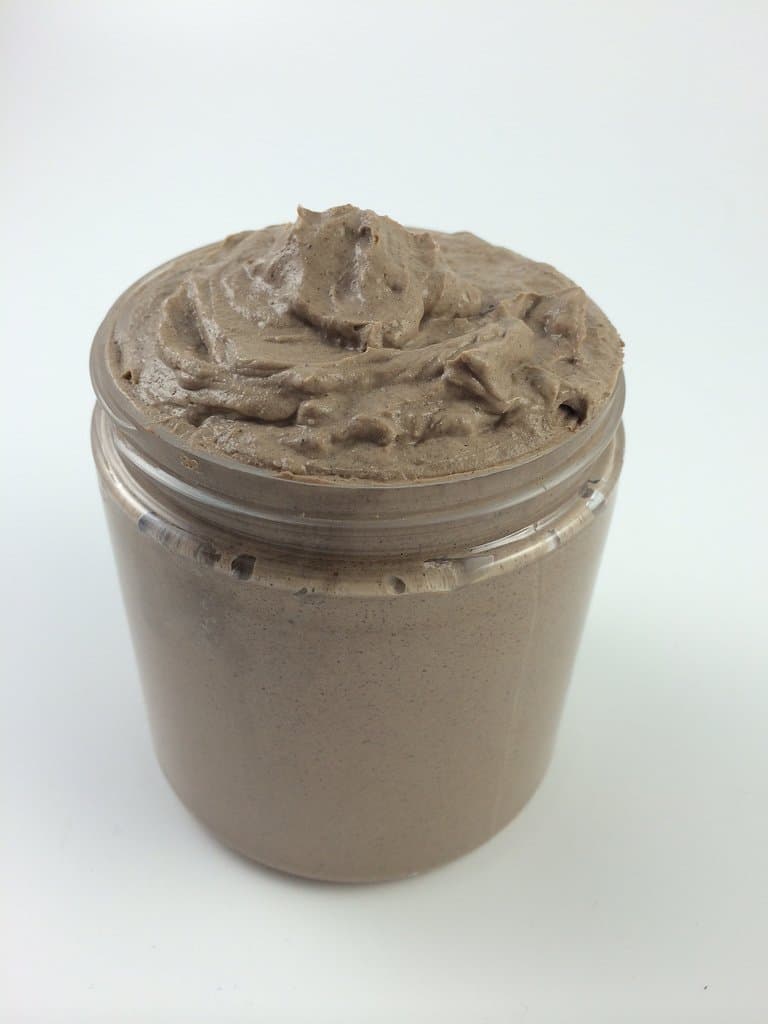
In Morocco, women have been turning ghassoul into a paste for centuries, to apply to the face, body or hair. Making it yourself is actually pretty easy; all you need is ghassoul pieces or powder:

 You can unsubscribe at any time.