Ready-made products for your natural routine..

Free shipping from €35
★★★★★ 9.3 / 10 out of 9,500+ reviews
Ordered before 23:00, shipped today
Natural HeroesNatural Heroes
Natural Heroes
Shop
Recipes
Information
Community
About us

Our community is the place where Heroes come together to share knowledge, experiences and ideas about nature.

Join us!
Join our community
User
My account
Cart
Basket
Wishlist
Favorites
★★★★★Kiyoh 9.3 / 10 — 9,500+ reviews
Shop
Recipes
Information
Community
About us

Our community is the place where Heroes come together to share knowledge, experiences and ideas about nature.

Join us!
Join our community
WishlistCart
User
Shop
Recipes
Information
Community
About us
Aromatherapy
Cosmetics
Do It Yourself
Herbs & Extracts
Auxiliaries
Oils & Butters
Tools & More
Ready to use
All
Bundles
Gift Card
New
Sale
FARM TO TABLE
Lavender Luisieri
Cistus
Helichrysum Stoechas
Rosemary
Eucalyptus
Spanish Thyme
ESSENTIAL OIL BLENDS
Bombshell
Eternal Bloom
Fresh Balance
Less Stress
Morning Breeze
Morning Sunshine
Night Night
Rosemary Bliss
Sweet Dreams
Tropical Zest
Velvet Rose
ESSENTIAL OILS (A-G)
Amyris
Anijs
Basilicum
Bergamot
Bergamot (Furocoumarin-Free)
Berk
Berkenteer
Bittere Amandel
Blauwe Kamille
Blue Tansy
Cajeput
Cederhout
Citroen (FCF-vrij, Gedestilleerd)
Citroen (Koudgeperst)
Citroen Eucalyptus
Citroengras
Citronella
Cognac
Copaiba
Cypres
Duizendblad
Eucalyptus (Globulus)
Eucalyptus (Radiata)
Frankincense (Carterii)
Frankincense (Serrata)
Gember
Geranium
Grove Den
ESSENTIAL OILS (H-N)
Helichrysum
Hinoki
Hô hout
Jeneverbes
Kamfer
Kamille (Rooms)
Kaneelschors
Kardemom
Korianderzaad
Kruidnagel
Kurkuma
Laurierblad
Lavandin
Lavendel
Lavendel (Spijk)
Limoen
Mandarijn
Manuka
May Chang
Mirre
Munt
Neroli
Nootmuskaat
ESSENTIAL OILS (O-Z)
Oranjebloesem / Neroli (Tunesie)
Oregano
Palmarosa
Palo Santo (Heilig hout)
Patchouli
Pepermunt (Mentha Arvensis)
Pepermunt (Mentha Piperita)
Peru Balsem Oleoresin
Petitgrain
Petitgrain (Bigarade)
Pink Grapefruit
Ravintsara (Biologisch)
Roze Peper
Rozemarijn
Rozemarijn (Cineol)
Rozemarijn Verbenon - Biologisch
Rozengeranium
Rozenhout
Salie (Scharlei)
Sandelhout
Siberische Zilverspar
Tea Tree
Tea Tree Citroen
Tijm
Verbena
Vetiver
Wintergroen
Witte Champaca (Magnolia)
Wortelzaad
Ylang Ylang (Eerste Graad)
Yuzu
Zoete Sinaasappel
Zwarte Peper
BlogsAll items
How does DIY work?Do's & Don'ts
27 Ingredients to Avoid in CosmeticsAlcohol, Aluminium, and 25 more...
(Un)refined, Organic or Cold-pressed?We explain the terms.
Natural vs Mineral OilsWhy you’d prefer not to use mineral oil.
Carrier oil vs essential oilThey share the word "oil," but are very different.
Basic Skincare RoutineA 100% natural skincare routine for your skin type.
Preservatives in SkincareWhich is suitable in your DIY?
What is the community?The place where Heroes come together!
Earth CoinsEarn points and get discounts.
Community loginIf you are already a member of our community.
About usOur mission & the story
WholesaleFor businesses.
VacanciesMake a difference!
Affiliates
ContactA response within 1 working day.
Free shipping from €35
★★★★★ 9.2 / 10
Ordered before 23:00, shipped today

Sign up for our newsletter

Do you want to stay updated on offers, (giveaway) actions and recommendations? This way you won't miss out on anything! Not too often, we promise.

You can unsubscribe at any time.
Botanical drawing of a plant
Natural Heroes

"We believe that living healthy and sustainably should be easy."

Reviews9.3 / 10 out of 9,500+ reviews

Customer service
  • Get in touch
  • Ordering & Delivery
  • Returns
  • Right of withdrawal
  • Frequently Asked Questions
  • My account
Raw materials
  • Carrier oils
  • Fragrance oils
  • Hydrosols
  • Clays & Powders
  • Herbs & Plant Powders
  • Butters & Waxes
  • Excipients
Products
  • All products
  • Do It Yourself
  • Recipes
  • Tools & More
  • Packaging
About Us
  • Community
  • Greenspark
  • Blog
  • Wholesale
  • Vacancies
  • Contact
  • Terms and Conditions
  • Privacy Policy
  • Right of withdrawal
Updates?
  • instagramInstagram
  • facebookFacebook

ideal
visa
mastercard
bitcoin
sofort
applepay
Terms and ConditionsRight of withdrawalDisclaimer© Natural Heroes 2026
  1. Blog
  2. Aloë Vera: Magie of Mode?

Aloe Vera: Magic or Trend?

The Aloe Vera plant is one of the oldest and most traditional medicinal plants in history. Aloe Barbadensis is the most researched plant and is also widely used in cosmetics. Is it really such a magical little plant or mainly a trend?

The Aloe Vera plant is one of the oldest and most traditional medicinal plants in history. Aloe Vera has been used for over a thousand years. The best-known Aloe Vera species is Aloe Barbadensis. The Aloe family consists of hundreds of species, although only a few possess healing properties. Aloe Barbadensis is the most researched plant and is also widely used in cosmetics. Is it really such a magical little plant or mainly a trend?

Historical facts about Aloe Vera

  • The name Aloe is derived from the Arabic word ‘alloeh’ or the Greek/Hebrew ‘allal’, which means bitter.

  • 'Vera’ means ‘true or real’ in Latin.

  • The Egyptians called Aloe Vera ‘the plant of immortality’ and used it in the embalming of bodies.

  • The Egyptian queens Nefertiti and Cleopatra used it as part of their beauty rituals. Could Cleopatra’s beauty perhaps be down to this plant?

  • It is claimed that Aristotle asked Alexander the Great to conquer Socotra (an island in Yemen) specifically for the Aloe Vera plantations.

  • Alexander the Great and Columbus are known to have used Aloe Vera to treat the wounds of their soldiers.

All about the plant

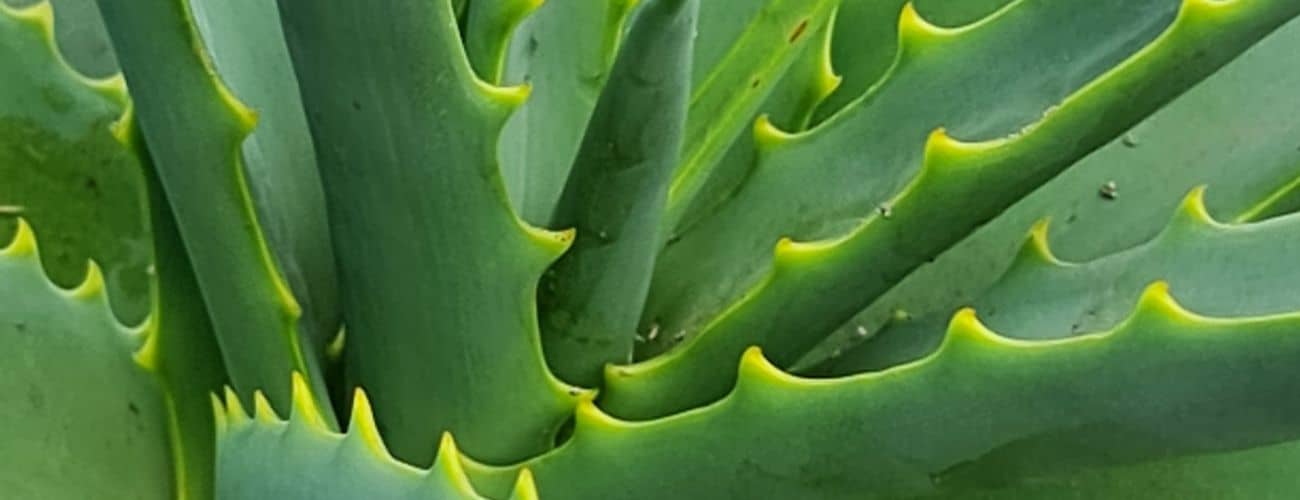
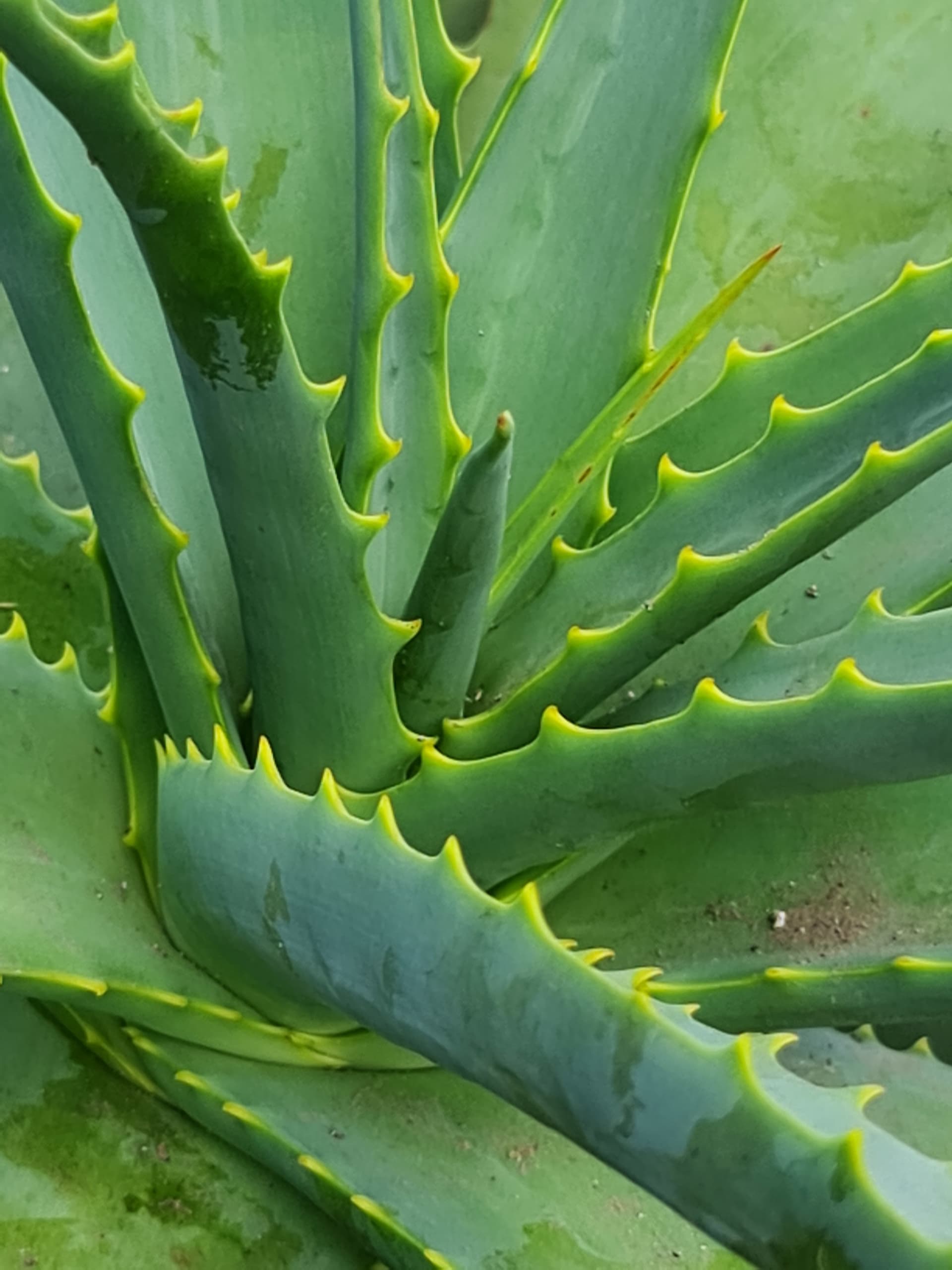
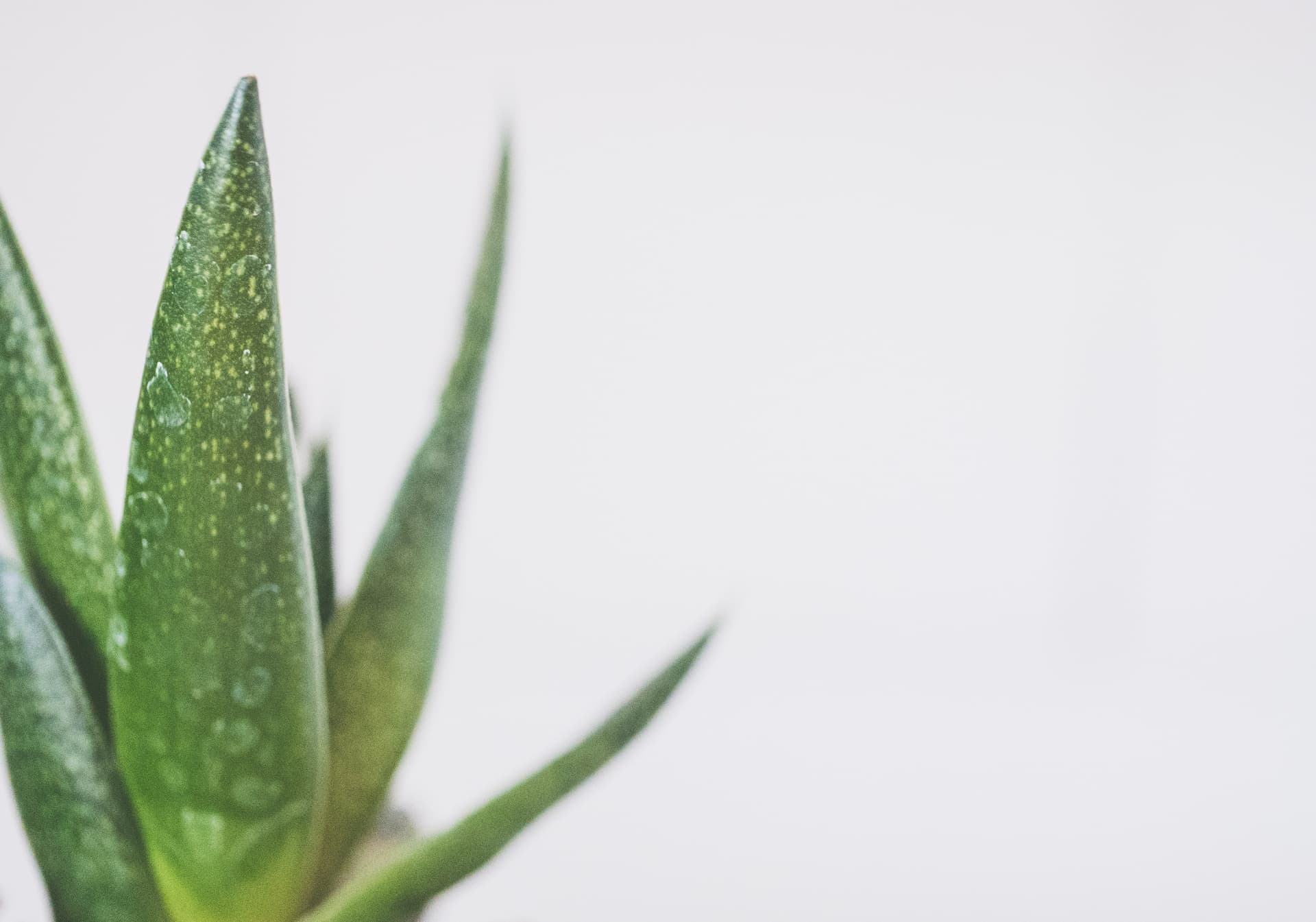
The Aloe Vera plant grows in dry, rocky areas with a warm climate, such as in Asia, America and countries around the Mediterranean. Aloe Vera belongs to the lily family — you wouldn’t think so, would you? It actually looks more like a cactus. The plant has triangular, fleshy leaves with serrated edges, yellow flowers and fruits that contain many seeds. Each leaf is made up of 3 layers:

  1. An inner clear gel. This consists of 95% water and 5% active substances (including vitamins, minerals and antioxidants)

  2. The middle layer with bitter yellow sap (aloin)

  3. The outer layer/skin, which has a protective function. It contains vascular bundles that ensure the inner layers receive sufficient nutrients.

Aloin protects the Aloe Vera plant against its natural enemies. In humans, aloin softens the intestinal contents and is therefore mainly used for medical purposes.

Aloe Vera contains 75 nutrients and more than 100 active ingredients. The main groups are:

Sugars: Aloe Vera contains 20% acemannan, which is a polysaccharide (a multiple sugar or complex carbohydrate). Acemannan supports the immune system.

Vitamins: Aloe Vera contains a large amount of vitamins, especially A, E and C. These are antioxidants and they neutralise free radicals. Antioxidants have an anti-ageing effect on the skin and support the skin’s ability to repair itself. In addition, Aloe Vera is also a source of vitamins B1, B2, B3 and B12.

Minerals: We need minerals for the building of our body. Aloe Vera is particularly rich in minerals: phosphorus, calcium, chromium, iron, potassium, copper, magnesium, sodium, selenium and zinc.

Amino acids: Amino acids are the building blocks for the formation of proteins. The human body needs 22 amino acids. Aloe Vera provides 20 amino acids, and moreover supplies 7 of the 8 essential amino acids — these are amino acids that the body cannot produce itself and can therefore only be obtained through diet.

Enzymes: These are proteins that are needed to digest carbohydrates, fats and proteins in the body and to break down nutrients into substances we need in order to function. Aloe Vera contains important enzymes such as amylase and lipase that support digestion.

Sterols (a type of fatty acid): Aloe Vera provides 4 plant sterols: cholesterol, Campesterol, β-sitosterol and Lupeol.

Plant hormones: Substances that plants produce for the growth of roots and leaves. Aloe Vera contains Auxin and Gibberellins. These support the skin’s ability to repair itself.

In addition, Aloe Vera contains: Salicylic acid, Lignin and Saponins.

Lignin: can penetrate deep into the skin and allows other nutrients to reach deep into the skin too.

Saponin is a soap-like substance with cleansing properties (about 3% of the gel).

What does Aloe Vera do for the skin?

Hydrates

The moisturising action of Aloe Vera penetrates into the deepest layers of the skin. The polysaccharides help to bind moisture in the skin. A double action for radiant skin!

Calms & Restores

Aloe Vera calms and soothes the skin. It promotes the renewal of skin cells and the removal of dead skin cells. Ideal for dry, sensitive skin. Aloe Vera also cools the skin. It is no wonder that Aloe Vera is therefore often used in aftersun products.

Combats skin ageing

Aloe Vera stimulates the fibroblasts. You can think of these cells as the workhorses that keep the skin firm. They are responsible for producing collagen and elastin fibres in the skin. This keeps the skin elastic and means fewer wrinkles form. Vitamins A, C and E are important antioxidants that can combat skin ageing. Thanks to its strongly hydrating action, fine lines are also plumped out.

Reduces dandruff and hair loss

Not only your skin, but your hair too will benefit from Aloe Vera. Aloe Vera hydrates the scalp and gives beautifully shiny hair. Dry hair is restored and breaks less easily. It is even said to work against hair loss.

What is the difference between Aloe Vera Gel, Aloe Vera Juice and Aloe Vera Powder?

Aloe Vera gel is the gel from the leaf. This gel is colourless, gelatinous and has a fairly penetrating smell (Aloe Vera is related to garlic). 100% pure Aloe Vera does not exist. At least 0.2% preservative is always needed so that the Aloe Vera gel does not spoil.

Aloe Vera Juice: is a thin liquid containing the natural gel from the leaf and the water components of the plant.

Aloe Vera Powder is made by drying the Aloe Vera leaf and the inner gel. Once the gel has dried, it is ground into powder.

What can you use Aloe Vera for?

Aloe Vera gel and Aloe Vera juice can be used pure on the skin (and in your hair, of course), but they are also a lovely addition to your DIY care products.

Cleansing
Drop some pure Aloe Vera Juice onto a cotton pad to cleanse your skin

Hairspray
Mix some Aloe Vera Juice with water in a spray bottle. Ideal for curly (frizzy) hair. Your hair becomes easy to comb through and tangles disappear.

Hydrating Spray or Body Mist
Mix some Aloe Vera Juice with Rose Water in a spray bottle.

Hydrating Body Tonic
Mix 1/4 Glycerin with 3/4 Aloe Vera Juice and massage it in nicely after showering.

After Sun Spray
We have a lovely recipe (+ YouTube Tutorial) for the hydrating Aloe Vera After Sun Spray online. Click here for the recipe and here for the YouTube Tutorial

Conclusion

So Aloe Vera can rightly be called a magical little plant! This is mainly down to the combination of all the valuable substances in the plant. These work well together and together provide the beneficial effect. But Aloe Vera is also a genuine trend in the cosmetics world and a very popular ingredient in many cosmetic products. In the studies that have been carried out, pure Aloe Vera was always used, which has all the medicinal properties. Unfortunately, many products that contain Aloe Vera have very little Aloe Vera, or Aloe Vera of poor quality. Always check the ingredient list carefully when buying. If you buy a pure Aloe Vera Juice, make sure that Aloe Barbadensis Leaf Juice is listed as the first ingredient on the label.

Did you know?

  • The Aloe Vera plant naturally contains healing properties. When you cut a leaf from the Aloe Vera plant, it will heal itself and form a layer over the cut.

  • The Aloe Vera plant is very easy to propagate. Carefully remove a shoot from the base (twisting rather than pulling) and let it dry for a day on a piece of kitchen paper, so the wound has time to heal! After this, place it in a pot of loose soil. Let the plant grow in a warm, sunny spot. Propagation can only be done in spring or summer, as the cuttings need plenty of sunlight.

Written by: Helena Laarman