Ready-made products for your natural routine..

Free shipping from €35
★★★★★ 9.3 / 10 out of 9,500+ reviews
Ordered before 23:00, shipped today
Natural HeroesNatural Heroes
Natural Heroes
Shop
Recipes
Information
Community
About us

Our community is the place where Heroes come together to share knowledge, experiences and ideas about nature.

Join us!
Join our community
User
My account
Cart
Basket
Wishlist
Favorites
★★★★★Kiyoh 9.3 / 10 — 9,500+ reviews
Shop
Recipes
Information
Community
About us

Our community is the place where Heroes come together to share knowledge, experiences and ideas about nature.

Join us!
Join our community
WishlistCart
User
Shop
Recipes
Information
Community
About us
Aromatherapy
Cosmetics
Do It Yourself
Herbs & Extracts
Auxiliaries
Oils & Butters
Tools & More
Ready to use
All
Bundles
Gift Card
New
Sale
FARM TO TABLE
Lavender Luisieri
Cistus
Helichrysum Stoechas
Rosemary
Eucalyptus
Spanish Thyme
ESSENTIAL OIL BLENDS
Bombshell
Eternal Bloom
Fresh Balance
Less Stress
Morning Breeze
Morning Sunshine
Night Night
Rosemary Bliss
Sweet Dreams
Tropical Zest
Velvet Rose
ESSENTIAL OILS (A-G)
Amyris
Anijs
Basilicum
Bergamot
Bergamot (Furocoumarin-Free)
Berk
Berkenteer
Bittere Amandel
Blauwe Kamille
Blue Tansy
Cajeput
Cederhout
Citroen (FCF-vrij, Gedestilleerd)
Citroen (Koudgeperst)
Citroen Eucalyptus
Citroengras
Citronella
Cognac
Copaiba
Cypres
Duizendblad
Eucalyptus (Globulus)
Eucalyptus (Radiata)
Frankincense (Carterii)
Frankincense (Serrata)
Gember
Geranium
Grove Den
ESSENTIAL OILS (H-N)
Helichrysum
Hinoki
Hô hout
Jeneverbes
Kamfer
Kamille (Rooms)
Kaneelschors
Kardemom
Korianderzaad
Kruidnagel
Kurkuma
Laurierblad
Lavandin
Lavendel
Lavendel (Spijk)
Limoen
Mandarijn
Manuka
May Chang
Mirre
Munt
Neroli
Nootmuskaat
ESSENTIAL OILS (O-Z)
Oranjebloesem / Neroli (Tunesie)
Oregano
Palmarosa
Palo Santo (Heilig hout)
Patchouli
Pepermunt (Mentha Arvensis)
Pepermunt (Mentha Piperita)
Peru Balsem Oleoresin
Petitgrain
Petitgrain (Bigarade)
Pink Grapefruit
Ravintsara (Biologisch)
Roze Peper
Rozemarijn
Rozemarijn (Cineol)
Rozemarijn Verbenon - Biologisch
Rozengeranium
Rozenhout
Salie (Scharlei)
Sandelhout
Siberische Zilverspar
Tea Tree
Tea Tree Citroen
Tijm
Verbena
Vetiver
Wintergroen
Witte Champaca (Magnolia)
Wortelzaad
Ylang Ylang (Eerste Graad)
Yuzu
Zoete Sinaasappel
Zwarte Peper
BlogsAll items
How does DIY work?Do's & Don'ts
27 Ingredients to Avoid in CosmeticsAlcohol, Aluminium, and 25 more...
(Un)refined, Organic or Cold-pressed?We explain the terms.
Natural vs Mineral OilsWhy you’d prefer not to use mineral oil.
Carrier oil vs essential oilThey share the word "oil," but are very different.
Basic Skincare RoutineA 100% natural skincare routine for your skin type.
Preservatives in SkincareWhich is suitable in your DIY?
What is the community?The place where Heroes come together!
Earth CoinsEarn points and get discounts.
Community loginIf you are already a member of our community.
About usOur mission & the story
WholesaleFor businesses.
VacanciesMake a difference!
Affiliates
ContactA response within 1 working day.
Free shipping from €35
★★★★★ 9.2 / 10
Ordered before 23:00, shipped today

Sign up for our newsletter

Do you want to stay updated on offers, (giveaway) actions and recommendations? This way you won't miss out on anything! Not too often, we promise.

You can unsubscribe at any time.
Botanical drawing of a plant
Natural Heroes

"We believe that living healthy and sustainably should be easy."

Reviews9.3 / 10 out of 9,500+ reviews

Customer service
  • Get in touch
  • Ordering & Delivery
  • Returns
  • Right of withdrawal
  • Frequently Asked Questions
  • My account
Raw materials
  • Carrier oils
  • Fragrance oils
  • Hydrosols
  • Clays & Powders
  • Herbs & Plant Powders
  • Butters & Waxes
  • Excipients
Products
  • All products
  • Do It Yourself
  • Recipes
  • Tools & More
  • Packaging
About Us
  • Community
  • Greenspark
  • Blog
  • Wholesale
  • Vacancies
  • Contact
  • Terms and Conditions
  • Privacy Policy
  • Right of withdrawal
Updates?
  • instagramInstagram
  • facebookFacebook

ideal
visa
mastercard
bitcoin
sofort
applepay
Terms and ConditionsRight of withdrawalDisclaimer© Natural Heroes 2026
  1. Blog
  2. Activated Charcoal: the natural wonder for your body & health

Activated Charcoal: the natural wonder for your body & health

  • What is Activated Charcoal?

  • Where does Activated Charcoal come from?

  • What makes Activated Charcoal special?

  • How is Activated Charcoal made?

  • How does Activated Charcoal work?

  • Is Activated Charcoal dangerous?

  • What can you use Activated Charcoal for?

  • What does Activated Charcoal look like?

  • How is the best way to store Activated Charcoal?

  • Where can you buy Activated Charcoal?

What is Activated Charcoal?

Activated Charcoal is a specially processed carbon that can bind all sorts of substances to itself through adsorption. In adsorption, the molecules of a gas or liquid adhere to the surface of a solid or liquid, thereby covering it with a layer. Adsorption is not the same as absorption. In absorption, the molecules mix with another substance, resulting in a mixture.

Through this special adsorption process, Activated Charcoal is able to separate substances from one another. For example, substances in (drinking) water are purified with Activated Charcoal. But (toxic) substances in your body are also separated with the help of this carbon.

Activated Charcoal is also known as geactiveerde kool, Activated Charcoal or Activated Carbon. This carbon is processed and therefore has all sorts of special effects that can provide positive outcomes for the body.

For this reason, Activated Charcoal is often added to various cosmetic and medical products. Think of mouthwash, toothpaste, soaps, shampoos and facial cleansers.

The well-known pharmaceutical brand Norit is also known for alleviating many complaints. The active ingredient in Norit's products is Activated Charcoal. These products contribute in a natural way to good intestinal function.

You can also buy Activated Charcoal in its pure form, for example as a powder or in a capsule.

Where does Activated Charcoal come from?

Activated Charcoal has been part of medicine since ancient times. It has been used for centuries by various cultures to detoxify the body, for example. The ancient Egyptians used this special charcoal to remove bacteria from their wounds. It was also used in China to cleanse the digestive system. Thanks to these positive effects, Activated Charcoal has also found its way into Western medicine.

Nowadays, Activated Charcoal is a recognised and proven means of removing toxins (from the body). Over the years, more applications have been found for using Activated Charcoal. These applications will be discussed later in the article.

What makes Activated Charcoal special?

Activated Charcoal consists of all sorts of micropores. These are super tiny pores that replace unwanted substances in the body during the purification process. Activated Charcoal adsorbs chemicals, metals and toxins, among other things. This special property ensures that Activated Charcoal provides good support during the body's detoxification process.

But Activated Charcoal also has other impressive effects when it is absorbed by the body. Activated charcoal has anti-inflammatory properties and helps with the digestion of food. As a result, Activated Charcoal can help to alleviate various complaints such as a bloated feeling.

Moreover, Activated Charcoal contains all sorts of antioxidants that can offer various benefits for your body. Antioxidants protect the tissues in the cells from free radicals. Free radicals are aggressive substances that can cause damage to tissues and cells.

All these special properties make Activated Charcoal an effective substance for preventing and treating various types of complaints.

How is Activated Charcoal made?

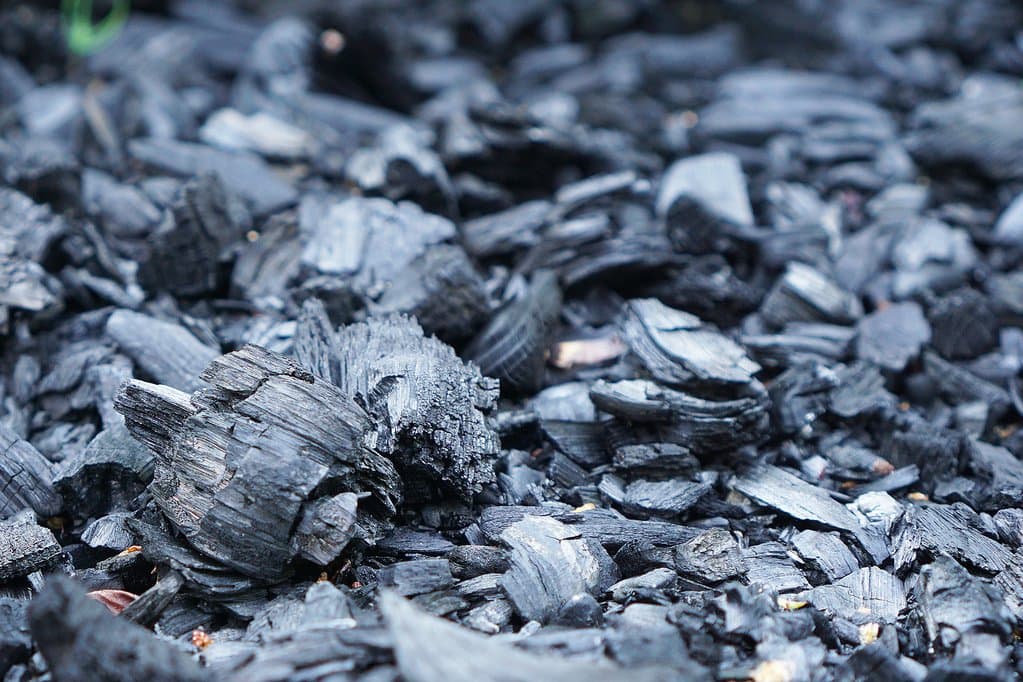
Activated Charcoal is processed carbon. It is therefore not the same as the charcoal you would use for a barbecue. Activated Charcoal is prepared through a thermal process in which gases and impurities are removed from the charcoal.

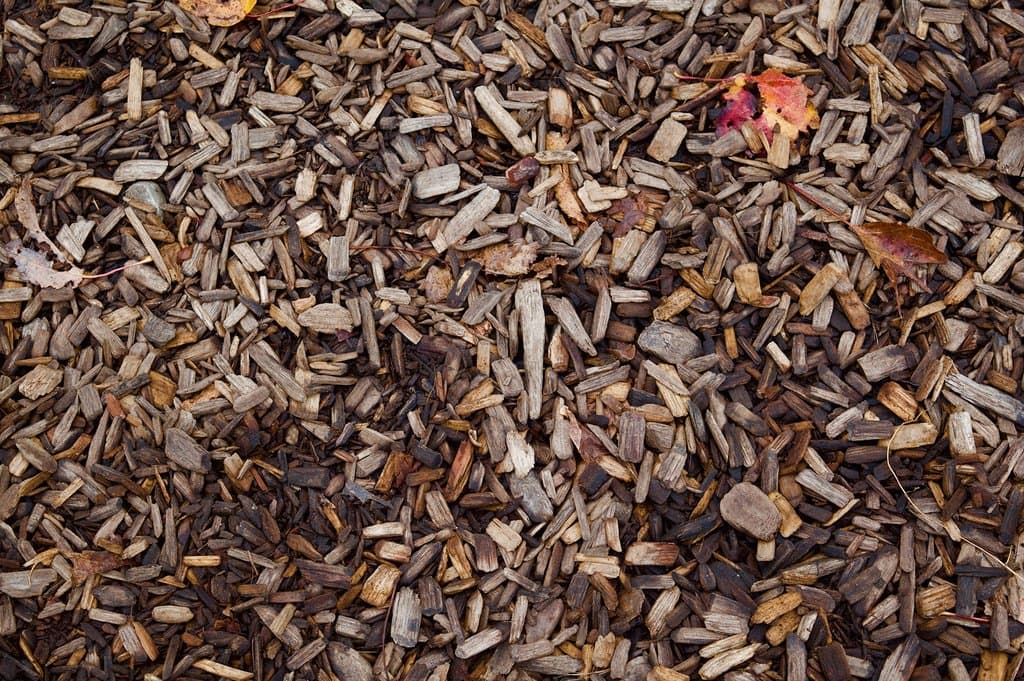
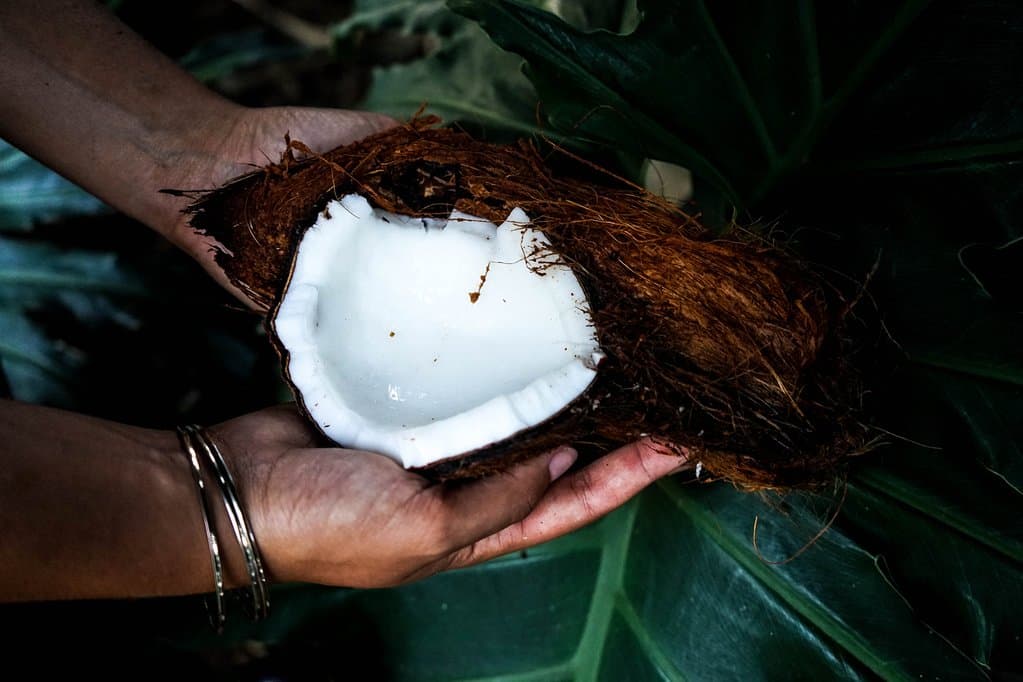
You can use various types of (fibre-containing) materials to make Activated Charcoal. Think of coal or charcoal. Organic material such as heated peat, peanut shells, rice husks, fruit stones and coconut shells can also be used to make Activated Charcoal. Activated Charcoal made from coal generally has the best quality because it has a high adsorption capacity compared to, for example, peat.

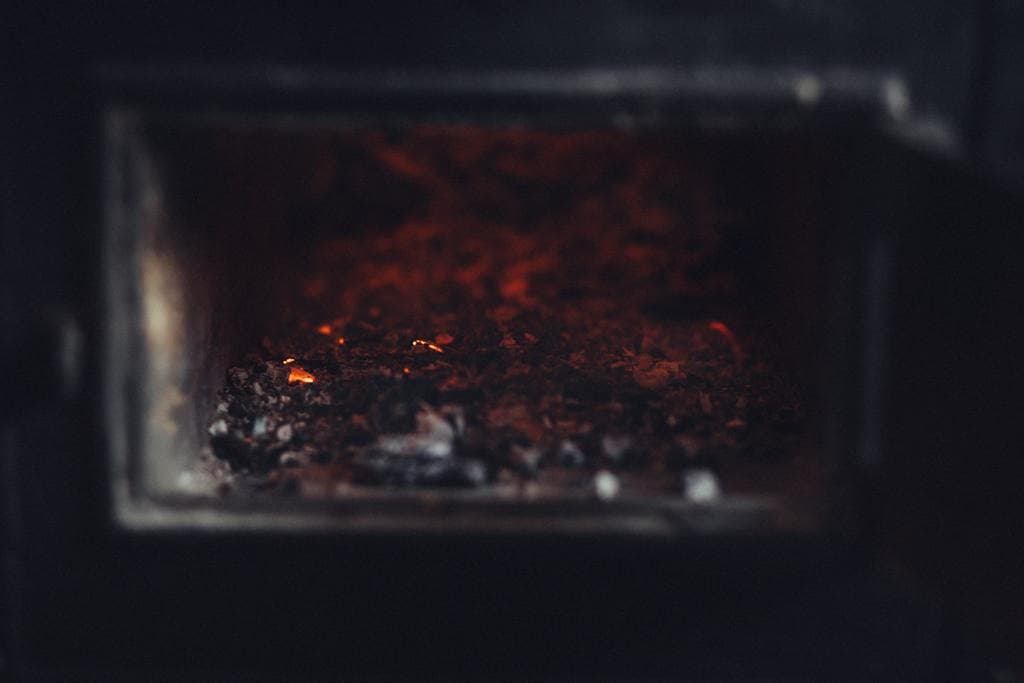
To make Activated Charcoal, one of the products mentioned above is carbonised and placed in a large oven where the charcoal is activated. This therefore happens through a thermal process involving high temperatures of up to 900 °C.

The first step in the reactivation process of the carbon consists of drying the product. Once the product is dry, volatile adsorbed components are evaporated. This happens at a temperature of approximately 300 °C. Non-volatile adsorbed components are broken down and destroyed at a temperature of 600 °C. Finally, the last unnecessary substances are gasified by steaming the carbon at a temperature above 800 °C. This process ensures that micropores are created, the property that makes Activated Charcoal so special.

Depending on the final application, the activated charcoal can also be washed with acid or ground into a powder.

How does Activated Charcoal work?

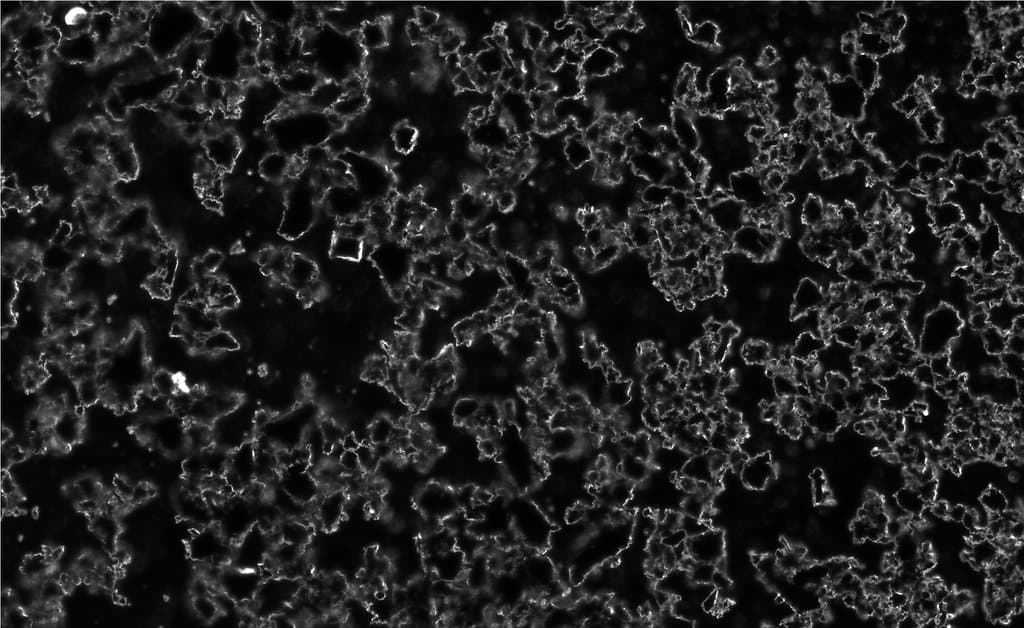
Activated Charcoal is able to remove (toxic) substances from air, water or the body. This is due to the special action of, among other things, the fine microstructure with countless tiny pores. This fine structure can be clearly seen in the photo below.

Activated charcoal particles (carbon atoms) exert an attractive force on liquid or gaseous particles (molecules). The strength of this attraction depends on the shape and mass of the molecules. Because not all molecules are attracted and held by the Activated Charcoal with the same strength, it is possible to remove substances from air, gas, water or the body.

Is Activated Charcoal dangerous?

Based on the studies conducted to date, it has been shown that Activated Charcoal is not dangerous. There is, however, some uncertainty about how Activated Charcoal binds with other (healthy) nutrients, particularly the water-soluble vitamins (such as vitamin C). If Activated Charcoal binds to vitamin C, the body does not have time to absorb this healthy nutrient. It is therefore not yet clear whether it makes sense to drink healthy smoothies in combination with activated charcoal.

Furthermore, it is important to drink plenty of water when you use Activated Charcoal. Without extra water, Activated Charcoal can dehydrate your body. In addition, the extra water helps to flush out the removed toxins.

Lastly, it is important to order Activated Charcoal from a reliable shop. The safest Activated Charcoal is made from coconut shells or wood types with fine fibres.

What can you use Activated Charcoal for?

Thanks to its special adsorbing action, Activated Charcoal has many positive outcomes for the body. Below we discuss seven different things that Activated Charcoal can be used for.

Cleaning the teeth & whiter teeth

Activated Charcoal is known for making your teeth whiter. Activated charcoal is able to bind to plaque, leftover food residue and other impurities in your mouth. Moreover, Activated Charcoal removes tannins. Tannins are stains that arise from drinking coffee, tea or wine.

In addition to whitening your teeth, Activated Charcoal also has a cleansing action that helps you maintain oral hygiene. This is because activated charcoal also binds to contaminating substances that are present in your mouth.

Activated Charcoal is also able to positively influence the pH value of your mouth. The acidity in your mouth is an important factor in the development of cavities, gum inflammation and bad breath. A normal pH value in your mouth is 7.1 to 7.0.

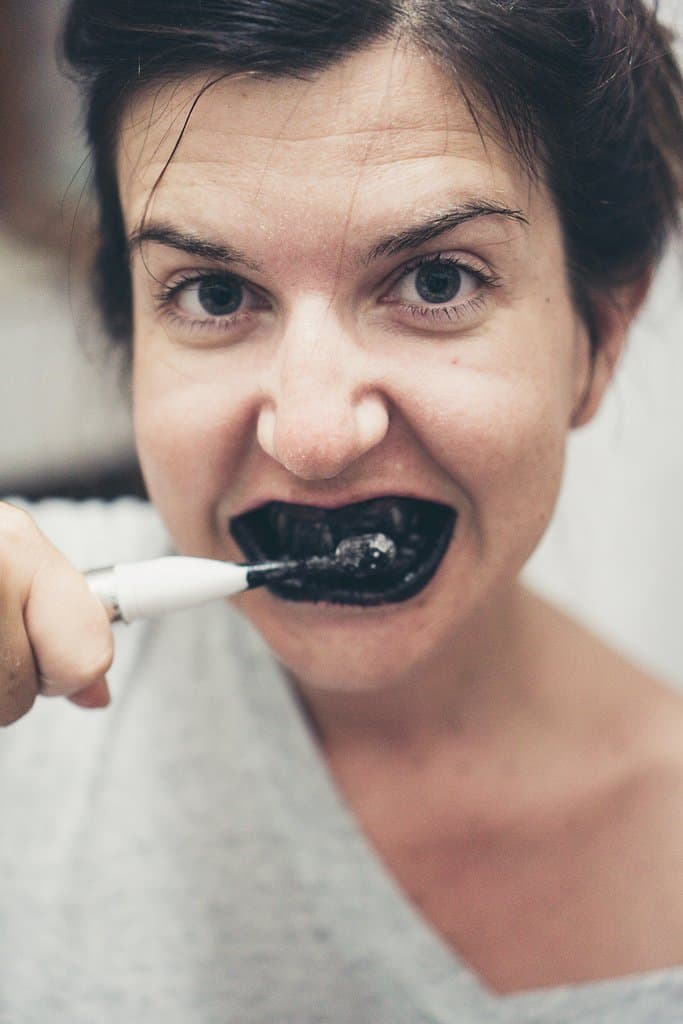
Activated Charcoal is very easy to use. First make sure to wet your toothbrush and then dip it in the charcoal (powder). Brush your teeth as you always do, especially in the areas with the most stains. Then rinse your mouth with water and only stop when the water comes out clear when you spit it out. Repeat brushing with activated charcoal two to three times a week for the best result.

You can also use Activated Charcoal powder as a mouthwash. You do this by swishing some Activated Charcoal powder with a little oil in your mouth for about 10 minutes.

By the way, Activated Charcoal is not a replacement for toothpaste. So if you want to keep your teeth healthy, it is wise to keep brushing your teeth in the usual way alongside using Activated Charcoal.

Cleansing the body

As mentioned earlier, Activated Charcoal is able to remove toxins from your body. This makes Activated Charcoal an ideal product to cleanse your body with. Unwanted substances such as chemicals and toxins are removed when Activated Charcoal is taken. Take 500 mg of Activated Charcoal with two large glasses of water to cleanse your body.

Support for kidney function

Activated Charcoal supports kidney function because it reduces the amount of waste substances in your body. This means the kidneys do not have to work as hard. This can provide positive outcomes for people whose kidney functions do not work optimally.

Lowering cholesterol levels

Activated Charcoal effectively helps with lowering cholesterol levels. This is because the Activated Charcoal binds to bile acids that contain cholesterol before the body can absorb them. Research by Pasi Kuusisto has shown that cholesterol levels dropped by 25% in four weeks in test subjects who took 24 grams of Activated Charcoal per day.

Helps against a bloated feeling

Activated Charcoal can help well against a bloated feeling after a (heavy) meal. This is because the organic components of Activated Charcoal bind to the waste substances. This makes it easier for your body to separate the substances.

Activated Charcoal also helps with the digestion of meals that cause gas formation. For this, take 500 mg of Activated Charcoal with two glasses of water one hour before eating.

Cleansing your skin

Activated Charcoal not only removes toxins in your body, but toxins on/in your skin can also be treated with the help of Activated Charcoal. Especially when you mix Activated Charcoal with oils, it can provide good outcomes.

Activated Charcoal is able to absorb hundreds of different (toxic) substances and dirt from your pores. The result is that pimples, blackheads and other impurities are treated. Moreover, Activated Charcoal also has a cleansing effect, which reduces the visibility of spots and scars.

If you want to apply Activated Charcoal to your skin, it should be mixed with, for example, coconut oil, a clay mask or aloe vera gel. With a brush or your fingertips, you can gently apply the mixture to your skin. Once it has dried after about 10 minutes, you can rinse it off with lukewarm water. You will notice that your skin feels softer and is cleansed.

What does Activated Charcoal look like?

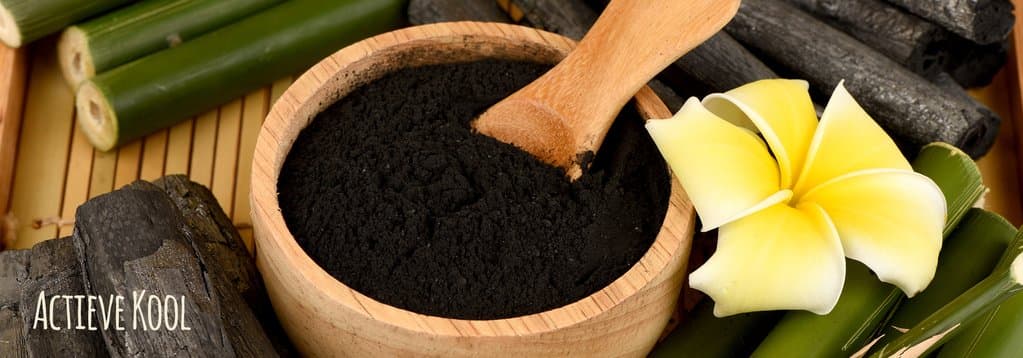
Activated Charcoal has a neutral scent and is pitch black. Depending on how the Activated Charcoal is processed, its appearance can vary. For example, there is Activated Charcoal in powder form. This powder is very fine. Activated Charcoal is also available in the form of capsules. These capsules are black in colour. Products such as toothpaste that contain Activated Charcoal are black in colour because Activated Charcoal has a strong pigment.

How can you best store Activated Charcoal?

Activated Charcoal in powder form is best stored in the original packaging. It is difficult to transfer the Activated Charcoal to another jar. The black powder gets everywhere and can be hard to clean up.

A small jar of Activated Charcoal lasts an incredibly long time because you only need a minimal amount. Activated Charcoal generally keeps for at least 36 months if you do not mix it with other products.

Author: Aurelie

Where can you buy activated charcoal?

20%Discount
Activated Charcoal Powder (Ultra Fine & Food Grade)

Activated Charcoal Powder (Ultra Fine & Food Grade)

€6.99