Ready-made products for your natural routine..
Do you want to stay updated on offers, (giveaway) actions and recommendations? This way you won't miss out on anything! Not too often, we promise.


What is Shea Butter?
Where does it come from?
What makes it special?
How is Shea Butter made?
What can you use Shea Butter for?
What types of Shea Butter are there?
How should you store Shea Butter?
The difference between refined and unrefined Shea Butter?
Where can you buy Shea Butter?
Shea Butter is a 100% natural plant butter that is solid at room temperature. Shea Butter is extracted from the nuts of the shea tree, also known as the karité tree, which grows in the African savannah. The tree is known as the Tree of Life because of its many special properties.
Shea Butter has an ivory colour and a smoky, nutty scent. The butter is high in vitamins A and E and is very suitable for hydrating the skin and keeping it supple. In Africa, Shea Butter has been used for centuries for daily skin and hair care.
Shea Butter is found in lots of commercial creams, lotions and soaps, but its effect in these products is practically negligible, because machine-refined Shea Butter is almost always used as the ingredient.
Shea Butter that has already been processed has lost its special characteristics during processing. So it's best to use 100% natural, unrefined Shea Butter to enjoy all the benefits. The scientific name for Shea Butter is Butyrospermum parkii.

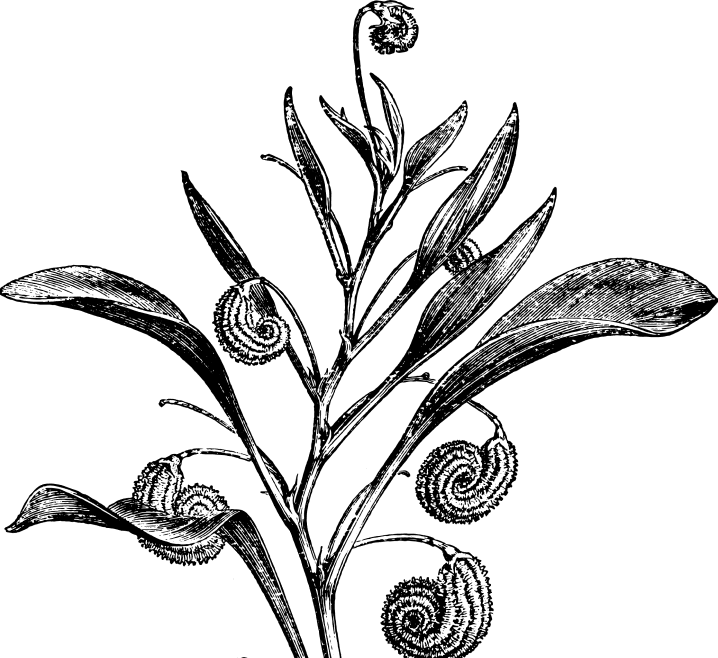
Shea Butter comes from Africa and is extracted from the nuts of the shea tree, also known as the karité tree.
The tree is part of the natural vegetation of a 300 km wide belt that runs from Mali through Burkina Faso to Ghana, Togo and Benin. Only in this region, and nowhere else in the world, do shea trees grow in their different varieties. They're trees up to 15 metres tall with plum-like fruits whose kernels contain up to 50% fat.
Shea Butter is a 100% natural butter and is still genuinely made by hand by village women in West and East Africa. The shea (karité tree) comes in two species: Vitellaria Paradoxa, which grows in West Africa (this is the most common source of Shea Butter), and Vitellaria Nilotica, which grows in East Africa (a rarer source of Shea Butter).
Shea Butter extracted from the nuts of the trees in East Africa is also called Nilotica Shea Butter.
Most seed oils can be divided into two main parts. One part is the saponifiable part. This part contains most of the hydrating properties. The other part is the unsaponifiable part. This part contains most of the nourishing properties.
What makes Shea Butter so special, and at the same time sets it apart from other natural oils, is its high content of unsaponifiables. The content of nourishing properties ranges from 5% to as much as 17%. By comparison, in most natural oils the nourishing properties make up just 1% or less.
Because Shea Butter has such a high content of nourishing properties, it's very nourishing for your skin. It's because of these unique properties that the shea tree is also called the karité tree, which means the Tree of Life.

Shea Butter is made from the nuts of the karité tree. The tree produces its first fruits after 20 years and produces its largest amount of fruit from the age of 45. The tree can keep bearing fruit for well over 200 years.
To make Shea Butter, the shell of the fruit's nut is cracked first. The nuts are then washed and dried. After that, the nuts are crushed and roasted. After roasting, the nuts are ground so finely that a dark, chocolate-coloured paste forms.
The paste is kneaded by hand for several hours and purified with clean water. The paste is then heated in a pot over a low flame until the fresh Shea Butter floats to the top. This layer is removed and dried into Shea Butter.

Shea Butter has exceptionally nourishing characteristics and is rich in vitamins. Shea Butter can be used for various purposes. Here's a list.
Daily use for healthy, supple skin
Dry skin
Red skin
Skin that peels after sunbathing
Uneven skin
Blemish-prone skin (in some cases)
Mature skin
Shaving cream for a beautifully smooth shave
Caring for skin with stretch marks
Before and after intense training
The cold
Dry hair

Unrefined Shea Butter simply means it's extracted and made without the use of chemicals or preservatives. In other words, it's still genuinely produced by hand, just as it has been in Africa for centuries. This is really important, because only unrefined Shea Butter still contains all the vitamins and minerals from the shea nuts, and with them its hydrating and nourishing properties.
Refined Shea Butter is extracted using hexane or other chemical solvents. Refined Shea Butter is deodorised, heated to extremely high temperatures and bleached to make the Shea Butter more aesthetically appealing.
Preservatives can also be added to the Shea Butter so that it keeps longer. The refining process reduces the vitamins and minerals found in unrefined Shea Butter by at least 95% and leaves chemical residues behind in the Shea Butter. So it's best to use unrefined Shea Butter for your skin and hair.

There's both West African (Vitellaria Paradoxa) and East African (Vitellaria Nilotica) Shea Butter. East African Shea Butter is also known as Shea Butter Nilotica . East African Shea Butter has a higher olein content. This makes East African Shea Butter creamier in texture and a lot softer at room temperature compared to West African Shea Butter. As a result, East African Shea Butter is absorbed more quickly by the skin.
East African Shea Butter is much scarcer than West African Shea Butter because of the ongoing unrest in countries such as Uganda. As a result, East African Shea Butter is 3 times as expensive and hard to come by.
Shea Butter is divided into grades A to E. Grade A is unrefined Shea Butter (only water has been used to separate the butter from the nuts). Grade B is refined Shea Butter. Grade C is highly refined Shea Butter, for which chemical solvents such as hexane have been used. Highly refined Shea Butter (Grade C) is white and odourless and contains 95% fewer vitamins than unrefined Shea Butter (Grade A). Shea Butter in Grades D and E is partly contaminated!
You don't need to keep Shea Butter in the fridge. In fact, chilling it makes Shea Butter quite hard to spread. Under normal conditions, you can store Shea Butter in a dry place. Keep the Shea Butter in a sealable container so it stays good for as long as possible.
Shea Butter usually keeps for one year. The older the Shea Butter, the less effective its nourishing properties, but the butter stays good enough to hydrate your skin with. Keep the Shea Butter in a sealable container to keep out dirt and dust.
West African Shea Butter has a typical smoky, nutty scent. The scent fades quickly and doesn't linger on the skin. As the Shea Butter ages, the nutty scent also becomes weaker. If you store Shea Butter normally, the butter keeps well for a long time. However, Shea Butter can go off. Shea Butter should never smell mouldy or rotten, whatever its age. If it does, the Shea Butter has gone off.
The colour of Shea Butter can vary from ivory to yellow. The colour depends on the karité nuts that were used. You can't judge the quality of Shea Butter by its colour alone. However, Shea Butter shouldn't turn green or be rock hard. If it does, it isn't good Shea Butter.
Shea Butter is rich in vitamins A and E, complex fatty acids and cinnamic acid, which help keep your skin soft and beautiful. Shea Butter hydrates the skin incredibly well. This is because Shea Butter contains a large amount of unsaponifiable components.
Shea Butter penetrates deep into the skin and makes it soft and supple. The vitamin A in Shea Butter cares for the skin and helps keep it elastic. It's also lovely for caring for mature skin.
The vitamin E in Shea Butter is a natural antioxidant and protects the skin against free radicals. This vitamin also helps your skin hold on to moisture.
Shea Butter also contains cinnamic acid and essential fatty acids. Shea Butter melts at body temperature and is therefore quickly absorbed by the skin without leaving it feeling greasy.
Shea Butter supports your skin and, together with vitamins A and E, cares for blemish-prone skin.
Want to know even more about how Shea Butter is made? The video below shows exactly how women in Ghana make Shea Butter. You'll see in detail how they press and clean the nuts and finally turn them into butter.